




The Big Secret: Your Balcony's Microclimate
The single most important factor for your balcony garden's success is understanding its unique 'microclimate'. A balcony isn't just a small garden; it's a completely different environment. It gets battered by wind, baked by sun reflected off glass and concrete,
and exists entirely in containers. Unlike a garden on the ground, your balcony has its own rules for heat, light, and water. Learning to read these specific conditions—the direction it faces, how many hours of direct sun it gets, and how wind funnels between buildings—is the 'this' your plants will thank you for. Everything else, from choosing plants to watering, flows from this core understanding.
Become a Sun Mapper
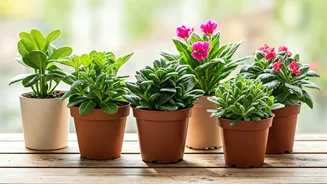
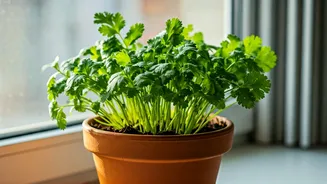
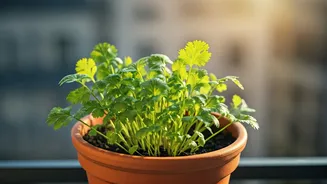
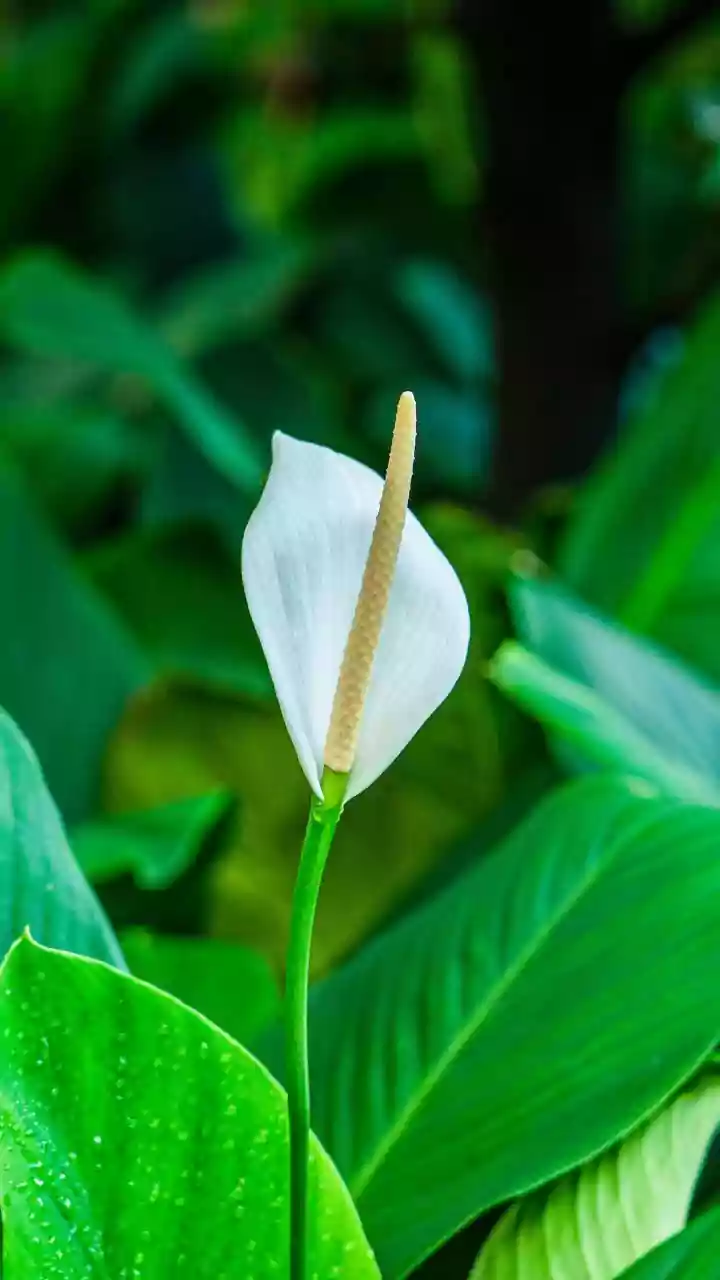
Don't just assume your balcony is 'sunny'. Be specific. Spend a day observing it. Where does the sun fall at 9 AM, 12 PM, and 4 PM? The intense Indian afternoon sun can scorch leaves, especially when reflected off a neighbouring building's windows. A south- or west-facing balcony might need plants that can handle extreme heat, like bougainvillea, portulaca, or succulents. An east-facing balcony that gets gentle morning sun is perfect for herbs like mint and coriander, or flowering plants like peace lilies. A north-facing one might get no direct sun at all, making it ideal for ferns and money plants. Knowing your sun pattern is step one in choosing plants that won't just survive, but thrive.
Respect the Wind and Rain
If you live on a higher floor, wind is your invisible enemy. It dries out soil at an astonishing rate and can shred the delicate leaves of larger plants. You might need to water more often than someone with a ground-floor garden. To combat this, consider creating a simple windbreak with a trellis or choosing plants with smaller, sturdier leaves. Similarly, during monsoon season, balconies can get hammered with rain. Excellent drainage is non-negotiable. Ensure every single pot has drainage holes. If water pools on your balcony floor after a shower, your pots are likely sitting in water, which leads to root rot—a silent killer for container plants.
Choose Your Pots Wisely
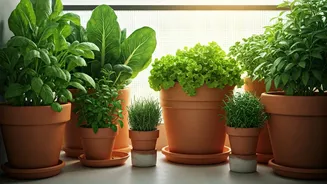
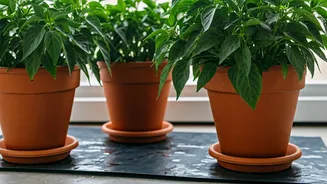
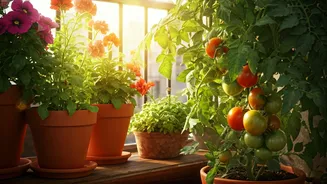
The pot is your plant's entire world, so choose it carefully. Size matters: small pots dry out incredibly fast in the sun and restrict root growth, leading to a stressed plant. It's often better to have one large pot than three tiny ones. Material choice is also key. Classic terracotta (clay) pots are porous and allow roots to breathe, which is great, but they also dry out very quickly in direct sun. Plastic or ceramic pots retain moisture for longer, making them a good choice for thirsty plants or very hot, sunny balconies. Whatever you choose, ensure it has a drainage hole. No drainage hole, no deal.
Create the Perfect Soil Foundation
Never, ever just scoop soil from a park or roadside and put it in your pots. Garden soil is too dense, compacts easily, and doesn't drain well in a container. This suffocates the roots. Your balcony plants need a light, airy, and nutrient-rich potting mix. A foolproof recipe for most Indian conditions is an equal-parts mix: one part good quality potting soil (or red soil/lal mitti), one part cocopeat (to retain moisture and keep the mix light), and one part organic compost or vermicompost (for nutrition). This blend provides the structure, water retention, and food your plants need to flourish in a contained environment.
Water With Intention, Not on a Schedule
The most common beginner mistake is either overwatering or underwatering. Instead of watering every day on a fixed schedule, learn to check your soil. The best tool is your finger. Stick it two inches into the soil. Is it dry? Time to water. Is it damp? Wait another day. A plant on a windy, sun-baked balcony in a terracotta pot will need far more water than the same plant on a shaded balcony in a plastic pot. Water thoroughly until you see it run out of the drainage hole at the bottom. This ensures the entire root ball gets a drink, not just the top layer.