






First, Know Your Paint
Before you begin, it's crucial to identify your wall's paint finish, as this determines the cleaning method. Glossy and semi-gloss finishes, common in kitchens and bathrooms, are durable and can withstand washing. Satin and eggshell finishes can also
handle a gentle wash. However, flat or matte finishes are more delicate and should only be dusted or very gently spot-cleaned, as vigorous washing can lift the paint. If you're unsure, test your cleaning solution on a small, hidden area first, like behind a door or a large piece of furniture.
Gather Your Cleaning Arsenal
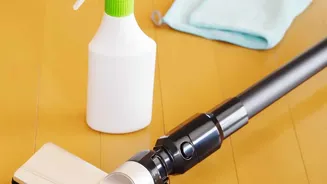
Having the right tools makes the job much easier. You'll need an extendable duster or a vacuum with a brush attachment, microfiber cloths, two buckets (one for the cleaning solution, one for rinsing), and a gentle liquid soap. For stubborn stains, a paste of baking soda and water or a solution of equal parts white vinegar and water can be effective. Old sheets or towels are essential for protecting your floors and furniture from drips.
Prep the Room for a Mess-Free Clean
Start by moving furniture away from the walls and toward the center of the room. Cover any remaining large pieces and the floor with your old sheets or drop cloths to protect them from dust and water. It's also a good idea to remove any artwork or hangings from the walls. This not only protects them but also gives you clear access to the entire surface you plan to clean. Taking a few minutes to prepare the space will save you a lot of cleanup time later.
Always Start from the Top Down
The golden rule of deep cleaning is to work from top to bottom. Use your extendable duster or vacuum attachment to remove all loose dust, cobwebs, and debris from the ceilings and corners first. This prevents dirt from falling onto your freshly cleaned walls later. Starting high ensures that any runoff or dislodged dust lands on areas you haven't cleaned yet, making the entire process more efficient.
Tackle Stains and Scuffs
Before washing the entire wall, spot-treat any stubborn marks. For greasy spots, a simple solution of mild dish soap and warm water is often enough. For marks like fingerprints or scuffs, a paste made from baking soda and water can be gently scrubbed on the spot. Apply the paste with a soft cloth, rub gently in a circular motion, and then wipe clean with a damp cloth. Allowing a cleaning solution to sit on a tough stain for a few minutes can also help break it down before you wipe.
The Gentle Wall Wash
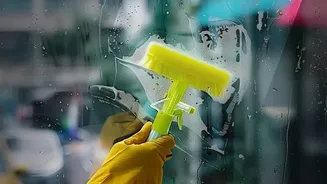
For washable paint finishes, mix a few drops of mild liquid soap into a bucket of warm water. Dip a soft sponge or microfiber cloth into the solution and wring it out thoroughly; you want it damp, not dripping wet. Gently wipe the walls in sections, working from top to bottom. Use a second bucket with clean water and a fresh cloth to rinse the soap residue off each section as you go. Finally, pat the wall dry with a clean, dry microfiber cloth to prevent streaks. For ceilings, using a flat-head mop with a damp microfiber pad can save your arms and back.