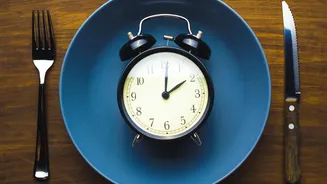







Meet Your Body’s Master Clock
Deep inside our brains, we have a master clock known as the suprachiasmatic nucleus, which governs our circadian rhythms. This is the 24-hour cycle that tells our bodies when to wake up, feel energetic, and when to wind down for sleep. But it's not just
one clock; nearly every organ, from our liver to our pancreas, has its own internal clock. These peripheral clocks work best when they're all synchronized with the master clock. One of the most powerful signals to synchronize these clocks is not light or exercise, but food. When we eat, we send a powerful “it’s daytime” signal to our digestive system and metabolic organs. This emerging field of science is called chrononutrition. It explores how aligning our eating patterns with our body’s natural rhythms can optimize everything from energy levels to chronic disease risk.
The Glucose Connection: Why Timing Matters
One of the most significant benefits of an earlier dinner is improved blood glucose control. Our bodies are naturally more insulin-sensitive during the day. This means our cells are more responsive to insulin, the hormone that helps shuttle glucose (sugar) from our bloodstream into our cells for energy. In the evening, as our bodies prepare for sleep, insulin sensitivity naturally declines. At the same time, the sleep hormone melatonin begins to rise, which can further impair our body's ability to manage blood sugar. Research shows that eating the exact same meal at 10 p.m. versus 6 p.m. can lead to significantly higher blood sugar spikes that last longer into the night. One study found that a late dinner increased peak glucose levels by about 18%. Over time, this pattern of late eating can put a strain on our metabolic system, contributing to higher fasting glucose levels in the morning and potentially increasing the risk for metabolic issues.
How Late Meals Disrupt Restful Sleep
A heavy meal close to bedtime can sabotage your sleep in several ways. Firstly, the process of digestion is an active one. It increases blood flow to your stomach, requires metabolic energy, and can even raise your core body temperature slightly. These are all signals that tell your body to stay alert, directly conflicting with the signals it needs to fall asleep. Studies have shown that people who eat late take longer to fall asleep, a measure known as sleep latency. Furthermore, late eating can interfere with the natural progression of sleep stages, reducing the amount of restorative deep sleep and REM sleep you get. This can leave you feeling tired and unrefreshed, even if you were in bed for a full eight hours. Beyond the digestive activity, issues like acid reflux and heartburn are more common when you lie down with a full stomach, causing discomfort that can lead to frequent awakenings.
Making the Shift: Practical Tips
The idea of shifting your largest meal to the early afternoon might seem daunting, especially with work schedules and social lives. The goal isn't perfection but progress. The general advice is to create a gap of at least three to four hours between your last meal and bedtime. Start by moving your dinner time earlier by 30 minutes every few days. If a large afternoon meal isn't feasible, focus on making your dinner lighter. Prioritise protein and fibre, and reduce heavy fats and refined carbohydrates, which can be harder to digest at night. If you feel hungry before bed, a small, protein-rich snack like a handful of almonds or a bit of Greek yogurt is a better choice than a full meal. The key is to listen to your body and find a rhythm that works for your lifestyle while respecting your internal clocks.