


Why Yoga Works for Exam Stress
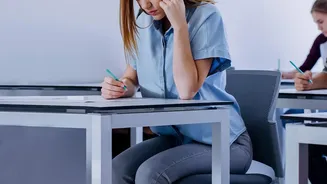
Before we get into the poses, it's helpful to know why yoga is so effective. During stressful periods like exams, our bodies are tense and our minds race. Yoga combines physical postures with controlled breathing, a combination that has been shown to calm
the nervous system. Studies suggest that regular practice can help increase focus, manage anxiety, and even improve memory. By stimulating blood flow to the brain and releasing 'feel-good' chemicals called endorphins, these movements help relax tense muscles and clear mental clutter, making it easier to study effectively.
Cat-Cow Stretch (Marjaryasana-Bitilasana)
This is a gentle, flowing movement that's perfect for relieving tension in your back and neck after hours of being hunched over a desk. Start on your hands and knees in a 'tabletop' position, with your wrists under your shoulders and knees under your hips. As you inhale, drop your belly, lift your chest and tailbone, and look slightly forward (Cow Pose). As you exhale, round your spine toward the ceiling, tucking your chin to your chest, like a stretching cat (Cat Pose). Repeating this flow five to ten times synchronizes your breath with movement, which helps calm the mind and releases stiffness.
Child's Pose (Balasana)
Child's Pose is a go-to for instant relaxation and is considered a restorative posture. From your hands and knees, sit back so your glutes rest on your heels. Fold forward, resting your torso between your thighs and your forehead on the floor. Your arms can be stretched out in front of you or resting alongside your body. This pose gently stretches your back, hips, and shoulders while quieting the mind. It's the perfect physical 'time out' when you feel overwhelmed. Stay here for at least 30 seconds, focusing on deep, slow breaths to maximize the calming effect.
Tree Pose (Vrksasana)
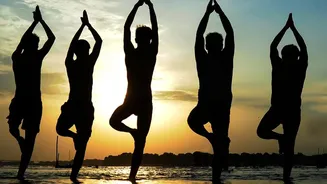
Exams don't just require knowledge; they require intense focus. Tree Pose is a balancing pose that directly trains your concentration. Start by standing tall in Mountain Pose. Shift your weight onto one foot. Bend your other knee and place the sole of your foot on your inner calf or thigh (avoid placing it directly on your knee). Bring your hands together in front of your chest. To stay steady, fix your gaze on a single, unmoving point in front of you. Holding this pose strengthens your body and teaches your mind to remain stable and present, a skill that's incredibly useful during a long exam.
Downward-Facing Dog (Adho Mukha Svanasana)
If you're feeling sluggish and mentally foggy, Downward-Facing Dog can help. From your hands and knees, tuck your toes, lift your hips up and back, forming an inverted 'V' shape with your body. Your head should hang between your upper arms. This pose provides a full-body stretch, especially for the hamstrings and spine, but its main benefit for studying is that it increases blood flow to the brain. This gentle inversion can help wake you up, energize your body, and improve cognitive function when you're feeling drained.
Legs-Up-The-Wall Pose (Viparita Karani)
This is one of the most relaxing and accessible poses you can do. As the name suggests, simply lie on your back and swing your legs up so they rest against a wall. Your sitting bones should be as close to the wall as is comfortable. Rest your arms by your sides with your palms facing up. This pose is incredibly effective at calming the nervous system, reducing anxiety, and relieving tired legs and feet. Spending five to ten minutes here before bed can also promote better sleep, which is crucial for memory consolidation and feeling rested for a day of studying.