






The Art of the Slow Steep
Unlike traditional tea that relies on hot water, cold brewing is a patient art. It involves steeping tea leaves and botanicals in cold or room-temperature water for an extended period, often between 8 to 12 hours. This gentle, slow extraction process
fundamentally changes the flavour profile of the brew. Heat can quickly draw out tannins, compounds that often lead to a bitter or astringent taste. The cold-steep method, however, significantly reduces the release of these tannins, resulting in a tea that is remarkably smooth, naturally mellow, and less acidic. This process also preserves delicate aromatic compounds, allowing the complex notes of the botanicals to shine through without being overpowered by bitterness, creating a more nuanced and rounded beverage.
Harnessing India's Botanical Wisdom
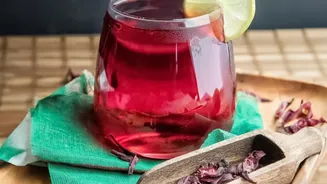
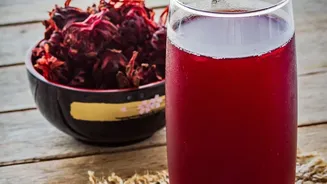
The true magic of these modern brews lies in their ingredients, which are deeply rooted in Indian tradition. Ayurveda has for centuries celebrated the medicinal properties of local herbs and spices. Brands are now turning to this ancient wisdom, infusing their teas with powerful indigenous botanicals. Ingredients like Tulsi (Holy Basil), revered for its stress-relieving properties, and Ashwagandha, a powerful adaptogen known to calm the nervous system, are becoming star players. Other popular additions include hibiscus, which adds a tart, cranberry-like note; ginger for its zesty warmth; and turmeric for its earthy depth and anti-inflammatory benefits. These botanicals not only add layers of flavour but also bring their wellness benefits to every bottle, transforming a simple refreshment into a functional beverage.
Why It's a Smarter Sip Than Syrup
The primary appeal of these cold-steeped teas is their ability to offer a satisfyingly complex taste without the need for heaps of sugar or artificial syrups. While traditional iced teas are often brewed hot and then sweetened to mask bitterness, the inherent smoothness of a cold brew makes added sugar unnecessary. The natural sweetness and intricate flavours of the botanicals themselves provide the character. For consumers looking to reduce their intake of refined sugars, this is a game-changer. It's not about finding a direct sweet substitute, but rather replacing the one-dimensional sweetness of sugar with the rich, multi-layered flavours of nature. This makes them a healthier alternative to conventional sodas and packaged juices that are often loaded with empty calories.
A Modern Ritual for a New Generation
This trend represents more than just a new product on the shelf; it's a cultural shift. It reflects a growing desire among Indian consumers to reconnect with their heritage in a way that fits a modern, health-conscious lifestyle. By combining the convenience of a ready-to-drink beverage with the holistic principles of Ayurveda, these teas appeal to those who are mindful of what they consume. Companies are innovating with blends that are both familiar and exciting, like oolong with ginger and mint or green tea with orange extracts. This movement bridges the gap between ancient traditions and contemporary wellness, offering a beverage that is both authentically Indian and globally relevant. It's a return to roots, served chilled in a bottle.