






From Overhaul to Upgrade
For years, the advice for increasing fibre intake felt like a chore: eat more bland bran, switch to gritty wholewheat rotis, or completely reinvent your meals around lentils and salads. While these are excellent sources of fibre, this all-or-nothing approach
can feel overwhelming and difficult to sustain. The good news is that the focus is shifting. The new mantra is less about radical change and more about 'stealth health'—making small but meaningful improvements to the foods we already eat. Food manufacturers, responding to consumer demand for healthier choices, are now fortifying everyday items like bread, pasta, breakfast cereals, and even snacks with added fibre. This means you can get closer to your daily fibre goals without sacrificing your favourite meals.
Why Fibre is a Health Hero
So why is everyone talking about fibre? This humble carbohydrate is a powerhouse for our health. Dietary fibre, found in plants, is crucial for maintaining a happy digestive system, promoting regular bowel movements, and preventing constipation. It also plays a vital role in managing blood sugar levels, which is particularly important in a country with rising rates of diabetes. Soluble fibre, which dissolves in water, can help lower 'bad' LDL cholesterol levels. Furthermore, high-fibre foods help you feel fuller for longer, which can aid in weight management by reducing the urge to overeat. The Indian Council of Medical Research recommends about 30 grams of fibre per day, but many urban Indians consume less than half that amount, creating a significant 'fibre gap'.
Decoding the Ingredients List
As you walk down the grocery aisle, you’ll start noticing 'high-fibre' labels on a wider range of products. To understand what you're getting, it helps to look at the ingredients. Common added fibres include inulin (often from chicory root), oat fibre, pea fibre, and psyllium husk, known locally as isabgol. You might find wholewheat pasta enriched with extra oat fibre, or your regular multigrain bread with added psyllium. Even spreads and snacks are getting a boost. These additions are designed to increase the fibre content without drastically altering the taste or texture of the food you're used to. Reading the nutrition label can help you compare your usual brand with a high-fibre version to see how much of a difference it makes.
Not All Fibre is Created Equal
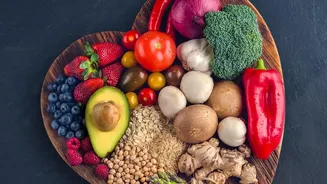
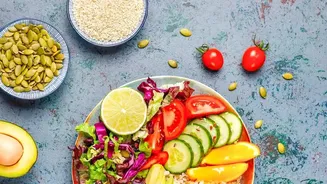
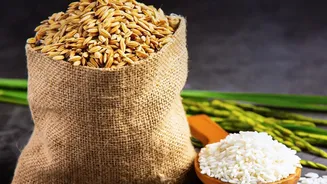
While this trend is a positive step, it's important to remain a savvy shopper. The goal is to add fibre to an already balanced diet, not to justify eating highly processed foods. A sugary cereal with added fibre is still a sugary cereal. The best sources of fibre will always be whole foods like fruits, vegetables, legumes (like chana and rajma), and whole grains (like jowar, bajra, and oats). These foods provide a matrix of vitamins, minerals, and antioxidants along with the fibre. Think of fortified foods as a helpful supplement to a diet rich in natural sources. It’s also wise to increase your fibre intake gradually. A sudden jump can lead to bloating or gas as your digestive system adjusts. And remember, fibre needs water to do its job properly, so be sure to drink plenty of fluids throughout the day.
Simple Swaps for a Fibre Boost
Integrating this new approach into your life is surprisingly easy. It’s all about making simple, conscious swaps. When buying bread or rotis, look for options that explicitly state 'high-fibre' or have a multigrain blend with added fibre. Consider switching your regular pasta to a wholewheat or fibre-enriched version for your next pasta night. For breakfast, choose a whole-grain cereal or oats. When you feel like a snack, look for roasted chickpeas (chana) or granola bars made with whole grains and seeds. Even a simple paratha can become a healthier option by using high-fibre atta and stuffing it with vegetables or protein-rich paneer. Each small swap contributes to your daily total, making it a manageable and sustainable way to improve your health.