






The Anxious Wait for Rain
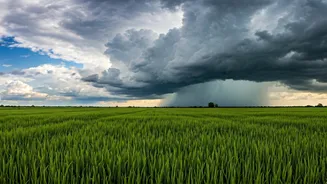
For millions of Indian farmers, the arrival of the southwest monsoon is the single most important event of the year. It dictates the timing for sowing Kharif crops like rice, soybean, cotton, and maize, which are vital for the nation's food security and rural
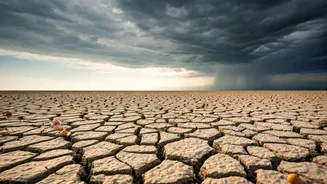
economy. Typically, pre-monsoon showers in late May and early June create a temptation to begin sowing. However, recent years have seen increasingly erratic weather patterns, with delayed onsets and long dry spells following initial rains. This year is no different, with agricultural communities across states like Maharashtra, Karnataka, and Madhya Pradesh looking to the skies, their livelihoods hanging in the balance. The pressure to sow is immense; a delayed crop can mean a delayed harvest and lower market prices. Yet, acting too soon carries an even greater risk.
The High Cost of a False Start
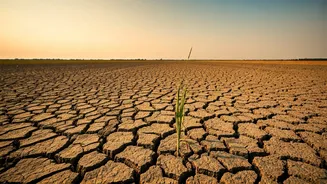
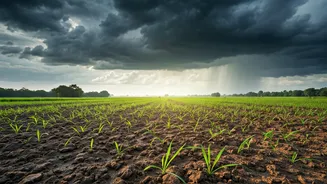
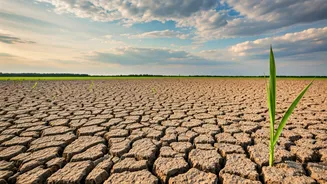
The advice to wait for heavy, sustained rainfall is rooted in sound agricultural science. Sowing seeds after light, early showers is known as 'false sowing', a gamble that can lead to devastating losses. If the initial rains are not followed by more substantial downpours, the soil moisture is insufficient for seeds to germinate properly. The seedlings that do sprout are weak and often wither and die in the dry, hot conditions that follow. For the farmer, this means the entire initial investment is lost. The cost of seeds, fertilisers, and labour is wasted, forcing them to re-sow when the monsoon properly arrives, if they can even afford to. This doubles their expenditure and pushes many small and marginal farmers, who often operate on thin margins and borrowed capital, deeper into debt. It's a risk that modern technology is now helping to mitigate.
Digital Messengers of Caution
This is where 'Digital Agri Forums' come in. This term encompasses a wide range of platforms, from sophisticated government apps and private agri-tech startups to simple yet effective farmer-led WhatsApp and Telegram groups. These platforms leverage technology to deliver hyper-local, data-driven advice. They collate weather forecasts from the India Meteorological Department (IMD), use satellite imagery to assess soil moisture, and create advisories tailored to specific districts or even blocks. When these platforms advise farmers to “wait for 75-100 mm of rainfall before sowing,” it’s not just a general suggestion; it's a precise, actionable instruction based on real-time data for their specific location. This transforms a traditional rule of thumb into a scientific directive, empowering farmers to make informed decisions rather than relying on guesswork or hope.
Tech Meets Traditional Wisdom
The interesting aspect of this trend is that it’s not about replacing traditional knowledge but enhancing it. Farmers have always understood the importance of waiting for the 'right' kind of rain. What has changed is the ability to predict when that rain will arrive with greater accuracy. Climate change has made old patterns unreliable. The cues that a farmer's grandfather relied on may no longer apply. Digital tools bridge this gap, providing a new layer of certainty in an uncertain climate. A farmer in a remote village can now receive an SMS or a WhatsApp message with a precise forecast, helping them resist the urge to sow prematurely. This fusion of old and new represents a critical evolution in Indian agriculture, making it more resilient and adaptive.