




Prioritise Protein Power
The foundation of a truly filling meal is protein. It helps in building and repairing tissues, but more importantly, it keeps you feeling full for longer, reducing the urge to snack between meals. A common Indian meal can sometimes be heavy on carbohydrates,
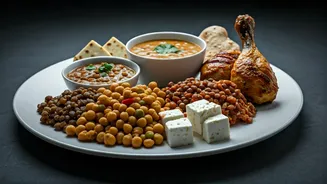
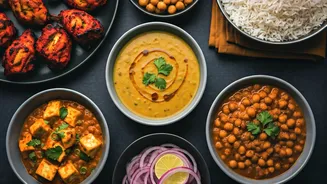
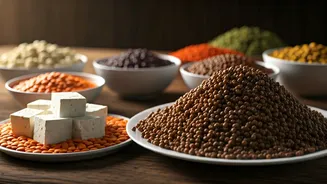
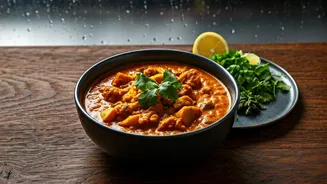
so making a conscious effort to include a significant protein source is key. Everyday vegetarian options are abundant, from a variety of dals like moong, masoor, and toor to legumes such as chickpeas (chana) and kidney beans (rajma). Paneer is another excellent, slow-digesting protein, while a simple bowl of curd (dahi) can also boost your meal's protein content. Pairing these with your main meal ensures you get a balanced intake of amino acids and stay satiated.
Fill Up on Fibre
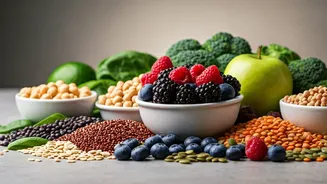
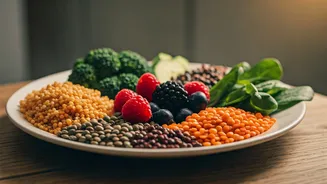
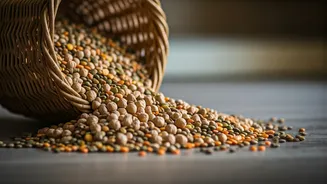
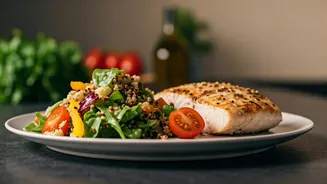
Fibre is the unsung hero of satiety. It adds bulk to your meals, aids digestion, and helps regulate blood sugar. The easiest way to boost fibre is to load up your plate with vegetables. A good rule of thumb is to fill half of your plate with non-starchy vegetables. This can include a generous serving of a sabzi made with bhindi, cauliflower, or beans, alongside a fresh salad of cucumber, tomatoes, and onions. Beyond vegetables, whole grains and legumes are fantastic sources of fibre. Lentils, beans, and chickpeas deliver a powerful combination of both protein and fibre, making them incredibly efficient for building a filling plate.
Choose Complex Carbs Wisely
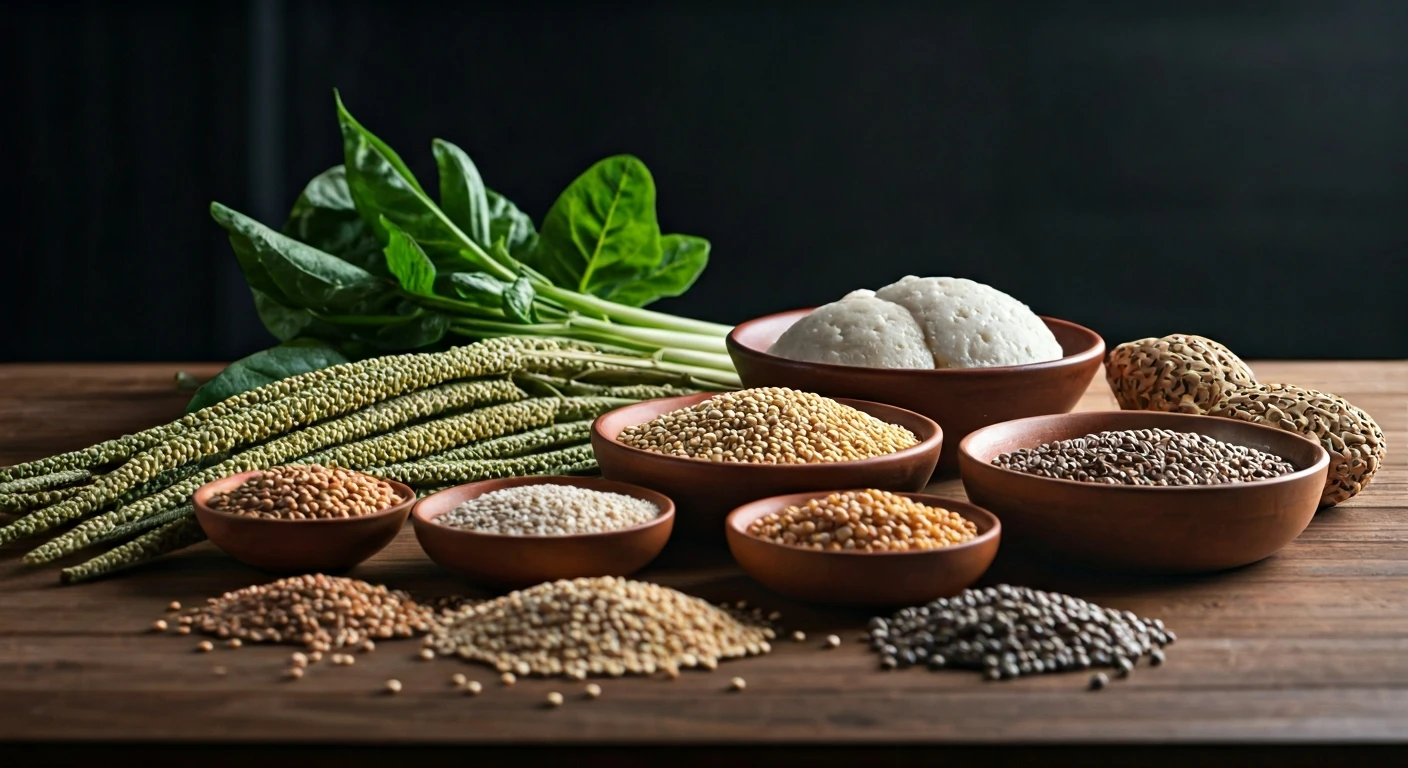
Carbohydrates are the body's primary fuel source, but the type of carb matters immensely. Simple carbs, like those in white rice and refined flour (maida), digest quickly, leading to energy spikes and crashes. Complex carbohydrates, on the other hand, break down slowly, providing a steady release of energy. Opt for whole grains whenever possible. Swap white rice for brown or red rice, or incorporate millets like jowar, bajra, and ragi into your diet. These ancient grains are not only rich in complex carbs but also offer more fibre and minerals. A whole wheat roti is a much better choice than a naan made from refined flour, providing sustained energy that keeps you full.
Embrace Healthy Fats
Fat is not the enemy; in fact, healthy fats are essential for absorbing vitamins and play a crucial role in feeling satisfied after a meal. The key is to use the right kinds of fats in moderation. Ghee, a staple in Indian households, is a stable fat with a high smoke point, making it great for cooking and adding flavour to dals and rotis. Cold-pressed oils like mustard oil, common in North and East India, and coconut or sesame oils used in the South, are also excellent choices for daily cooking. Additionally, a handful of nuts like almonds or walnuts, or a sprinkle of seeds like flax or pumpkin, can add a dose of healthy fats, protein, and fibre to your meal.
The Art of the Balanced Thali
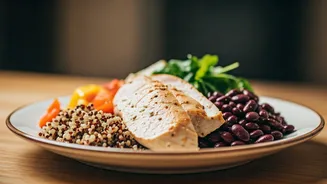
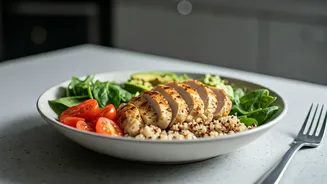
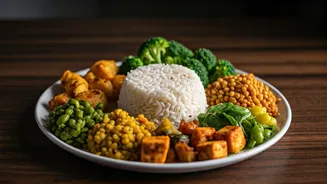
Bringing it all together is simple when you visualise the balanced plate model. Aim to have half of your plate covered with colourful vegetables. One-quarter should be dedicated to a quality protein source, like a katori of dal, chana masala, or paneer bhurji. The final quarter is for your complex carbohydrates, such as one or two whole wheat rotis or a portion of brown rice or millets. A small bowl of curd and a simple kachumber salad complete this picture of a nutritionally complete and deeply satisfying meal. This approach ensures you get a balanced mix of macronutrients, vitamins, and minerals in every meal, leveraging the natural strengths of Indian cuisine.