






A Race Against the Rains
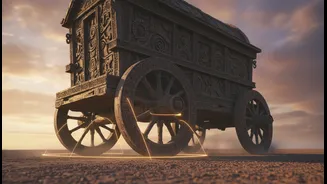
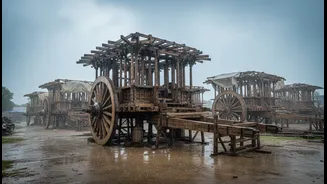
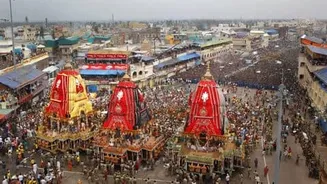
The construction of the three chariots—Nandighosha for Lord Jagannath, Taladhwaja for Lord Balabhadra, and Darpadalana for Devi Subhadra—begins on the auspicious day of Akshaya Tritiya. This marks the start of a 42-day sprint for the team of hereditary
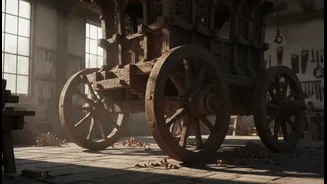
artisans, known as Biswakarmas. They work in an open-air workshop, the Ratha Khala, fully exposed to the elements. The entire process is a carefully orchestrated race against the arrival of the monsoon. The chief carpenters know that while some rain is inevitable, their ancestral knowledge is the key to ensuring the structural integrity of the chariots is not compromised by the wet weather.
The Science of Sacred Wood
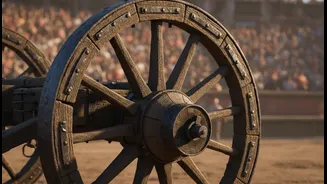
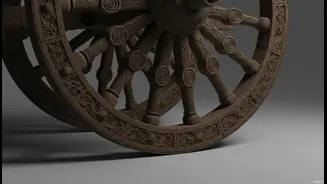
The primary defence against wet weather is the meticulous selection of wood. Over a thousand logs from specific tree species like Phasi (Anogeissus acuminata), Dhaura (Anogeissus latifolia), and Asana (Terminalia elliptica) are used. This isn't random; each type of wood has specific properties honed over centuries of empirical testing. Phasi, for instance, is known for its resilience and is used for crucial components like the wheels. Dhaura is chosen for its immense strength, making it ideal for the axles. This careful material science ensures that the woods used have natural resistance to the swelling and decay that humidity and rain can cause. The logs themselves are traditionally floated down the Mahanadi river, a process that inherently seasons them.
Ingenious Joinery Without Iron
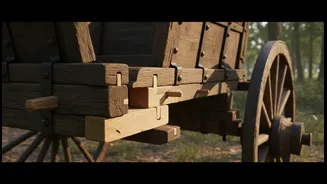
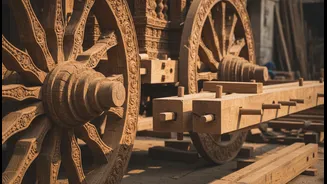
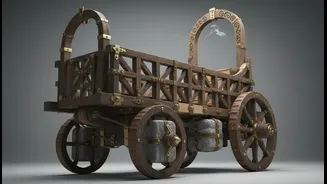
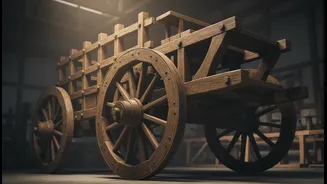
One of the most remarkable features of the chariots is the complete absence of iron nails in their primary structure. Instead, the Biswakarmas employ a sophisticated system of interlocking joints, primarily mortise and tenon, secured with wooden pegs and dowels. This is a crucial adaptation for wet weather. Iron nails would rust in Puri's humid, salty air, especially when exposed to rain. Rust would not only stain the wood but also expand and contract, weakening the joints and compromising the entire structure over time. The all-wood construction allows the chariot to have a degree of flexibility while remaining incredibly strong, a principle of traditional engineering that has proven effective for centuries.
Hereditary Knowledge as a Blueprint
The artisans do not use modern architectural plans, measuring tapes, or CAD software. All dimensions are based on traditional units like 'haat' (hand span) and 'anguli' (finger width), passed down through generations. This oral tradition is a living repository of structural knowledge. It dictates not just the size of each component but also its placement and relation to the whole, ensuring the load is distributed correctly. When disruptions like heavy rain occur, the carpenters adjust their workload, drawing on this deep well of experience to ensure the chariots are completed on time without compromising safety or tradition. The final structure is then draped in nearly 1,250 metres of colourful, water-resistant cloth canopies, offering the final layer of protection.