






The Silver Screen's Soaring Costs
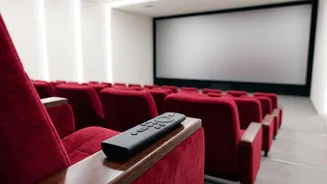
Going to the movies is no longer a casual expense; it's a premium event. A single ticket at a metropolitan multiplex can easily range from ₹250 to ₹500, and that's before factoring in the essentials. Add on the almost obligatory popcorn and a drink, which
can cost more than the ticket itself, plus transportation and booking fees, and a simple movie outing for two can quickly approach the ₹2,000 mark. While single-screen theatres in Tier-2 and Tier-3 cities offer more budget-friendly options, sometimes as low as ₹100-₹150, the allure of plush seats, booming sound, and the latest projection technology at premium chains keeps multiplexes in demand, despite the high cost. For big-ticket spectacles, especially in formats like IMAX, prices can surge even higher, turning a film into a significant financial decision.
The All-You-Can-Watch Streaming Buffet
On the other side of the ring are Over-the-Top (OTT) streaming services. For the price of a single premium movie ticket, a young person can secure a month's access to a vast library of content. Netflix's most popular 'Standard' plan costs around ₹499 per month, while its 'Mobile' plan is just ₹149. Amazon Prime Video and Disney+ Hotstar are often bundled with other services, offering even more perceived value. This model shifts entertainment from a per-event cost to a predictable monthly expense, much like a utility bill. The sheer volume is staggering; for less than the cost of one cinema trip for a couple, a household can have access to thousands of movies, exclusive series, and international content across multiple platforms.
A Battle for the Wallet and the Watchlist
The financial maths is stark. A dedicated movie buff who visits the cinema once a week could spend upwards of ₹4,000 a month. In contrast, subscribing to three major streaming services (Netflix, Prime Video, and Disney+ Hotstar) might cost less than ₹1,000 per month. This cost disparity is a primary driver of changing consumption habits. Studies show a significant portion of young Indians now prefer waiting a few weeks for a movie to arrive on an OTT platform rather than paying for a theatre ticket, especially for films that aren't large-scale blockbusters. The convenience of watching anytime, anywhere, on any device, has made streaming an integral part of daily life for a generation that grew up with smartphones.
More Than Money: Social and Cultural Trade-Offs
However, the decision isn't purely financial. The cinema offers a unique, irreplaceable social experience. It's an outing with friends, a classic date night, and a collective cultural event where audiences share laughter, gasps, and applause. The 'first day, first show' phenomenon for a major release creates a sense of community and excitement that a solo binge-watch cannot replicate. Streaming, on the other hand, provides a different kind of social currency. It fuels conversations about the latest trending series, allows for personal and curated viewing experiences, and offers a level of narrative depth in web series that movies often can't explore. The choice is between a public spectacle and a private, personalised world of content.
The Shadow of Subscription Fatigue
While streaming appears cheaper, the costs can creep up. The need to subscribe to multiple services to catch different exclusive shows has led to 'subscription fatigue'. A recent survey revealed that nearly nine in ten Indian subscribers feel there are too many services to choose from. Managing multiple passwords, billing cycles, and a fragmented library is a real cognitive and financial load. Young consumers are finding their entertainment budget sliced up between 4-5 different platforms, and this invisible drain on monthly income is becoming a significant concern. This has led many to adopt a 'rotate and churn' strategy—subscribing to a service for a specific show and then cancelling, becoming savvy managers of their digital entertainment portfolio.