
The Ocean's Rising Fever
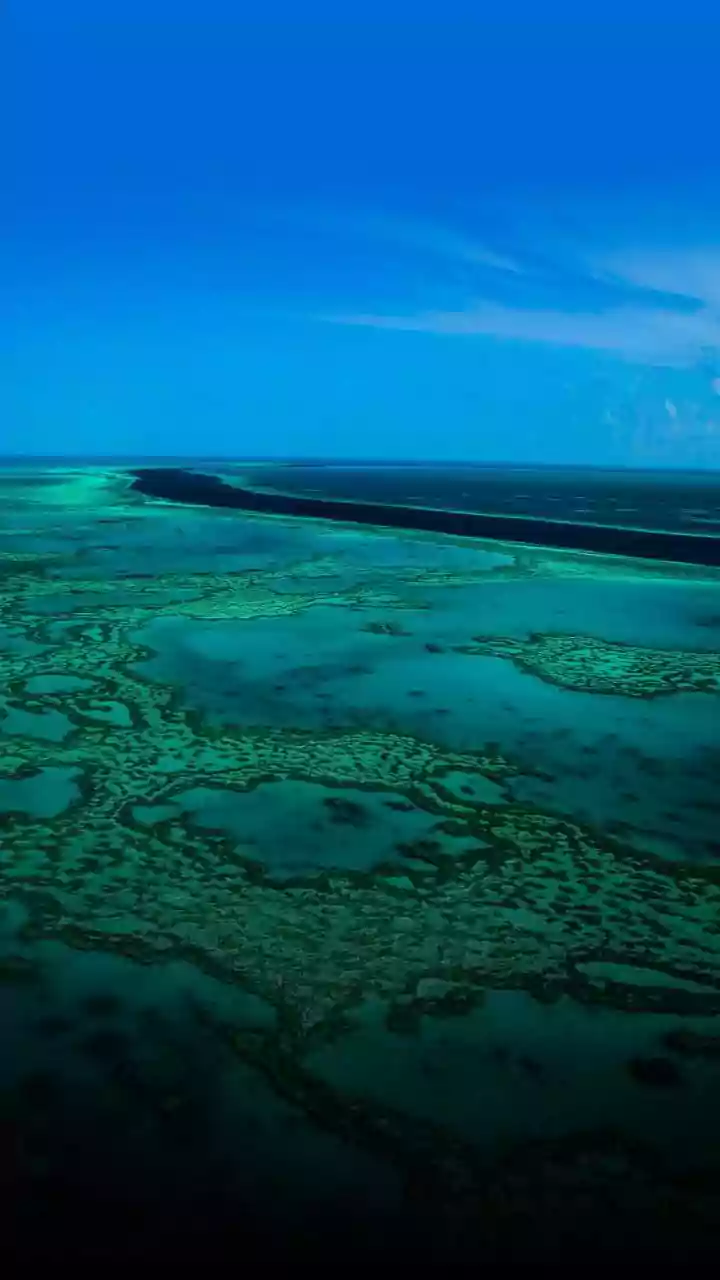
Imagine a heatwave on land, but underwater. These events, known as marine heatwaves, are prolonged periods of abnormally high ocean temperatures. Driven by climate change, they are becoming more frequent and intense, creating dire consequences for marine life.
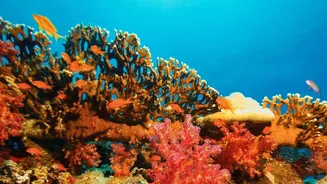
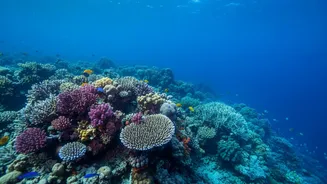
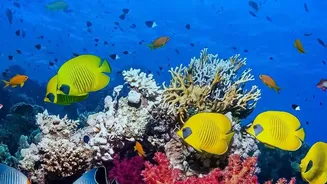
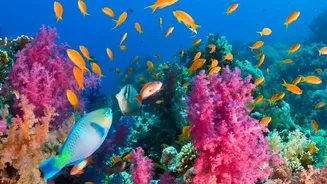
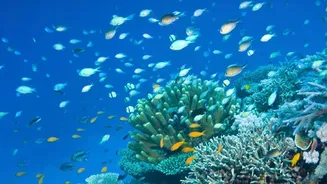
For species like corals, which are sensitive to temperature, a heatwave can be a death sentence. The heat stresses them, causing them to expel the symbiotic algae living in their tissues, a phenomenon known as coral bleaching. If the water remains too hot for too long, the bleached corals will starve and die. This doesn't just impact the corals; entire coastal ecosystems that depend on reefs for food and shelter are put at risk, affecting everything from fish populations to the livelihoods of coastal communities that depend on tourism and fishing.
Identifying Nature's Survivors
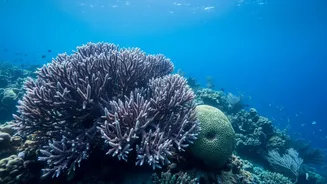
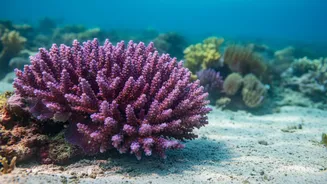
Even in the face of devastating bleaching events, scientists have observed that some corals, even side-by-side with others of the same species, manage to survive. This capacity to resist and recover from environmental stress is called resilience. Thermal resilience, specifically, is the ability to tolerate higher-than-normal temperatures. This resilience can come from several factors. Some corals have genetic traits that make them naturally tougher. Others host types of algae that are themselves more heat-tolerant. Understanding who the survivors are and why they survive is the central goal of thermal resilience studies. By identifying these pockets of toughness, biologists can gain crucial insights into how marine ecosystems might adapt to a warming world.
Inside the Resilience Lab
So, how do scientists find these 'super corals'? The work involves a combination of field observation and sophisticated laboratory experiments. Researchers collect small fragments from different corals and bring them into controlled aquarium environments. In these labs, they conduct 'stress tests,' gradually increasing the water temperature to see which corals bleach and which ones hold their colour. This process helps them pinpoint the most heat-tolerant individuals. Beyond just observation, scientists also perform genetic sequencing on the coral and its algae to identify the specific genetic markers responsible for heat tolerance. This allows them to create a genetic map of resilience, showing not just which corals are tough, but what makes them that way. This information is vital for the next step: using this knowledge to actively protect our coasts.
From Data to Direct Action
The findings from these studies are not just academic; they are the foundation for proactive conservation strategies. One key application is informing the management of Marine Protected Areas (MPAs). By identifying reefs that naturally house more heat-tolerant corals, conservationists can prioritize their protection. Another exciting strategy is 'assisted evolution'. Researchers can selectively breed heat-tolerant parent corals in nurseries to produce offspring better suited to warmer waters. These lab-grown, resilient corals can then be strategically transplanted to damaged reefs to help them recover and to spread their heat-tolerant genes. Some scientists are even 'training' corals by exposing them to gradually increasing temperatures in the lab, which has been shown to boost their stamina against future heat stress.
A Beacon of Hope for Our Coasts
While the ultimate solution to protecting marine ecosystems is to halt climate change by reducing global emissions, thermal resilience studies offer a crucial lifeline. They provide a science-based toolkit that empowers biologists and conservation managers to move beyond simply documenting loss and toward actively building more resilient coastal habitats. This research helps to identify naturally strong ecosystems, enhance the resilience of vulnerable ones through restoration, and make smarter decisions about where to focus limited conservation resources. It’s not about finding a magic bullet, but about working with nature’s own survival mechanisms to give our invaluable coastal habitats a fighting chance in a rapidly changing world.