




The Unseen Risks of Cross-Contamination
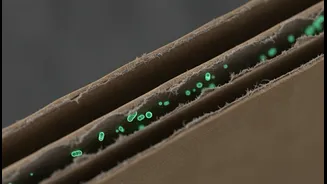
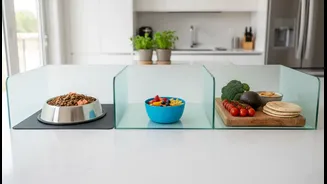
Cross-contamination is the transfer of harmful bacteria from one person, object, or place to another. In a kitchen, this can happen easily. Germs from raw meat can transfer to a ready-to-eat salad via a cutting board, or bacteria from a pet's food bowl
can end up on a kitchen counter. Children under five, pregnant women, and adults over 65 are especially vulnerable to foodborne illnesses because their immune systems may not be as robust. Common culprits like Salmonella and E. coli can be present on raw foods and even in pet food, making proper separation a non-negotiable rule for a safe kitchen. Following simple steps can drastically reduce the risk of your family getting sick.
Managing Pet Food Safely
Pet food, especially raw varieties, can be a source of germs like Salmonella and Listeria that are harmful to both pets and humans. To minimize risks, always wash your hands with soap and water after handling pet food or treats. It's best to feed your pet in an area away from the main kitchen food prep zones. Their food and water bowls should be washed daily, separately from your family's dishes. When it comes to storage, keep dry pet food in its original bag, placed inside a lidded, airtight container. This preserves freshness and prevents pests, while the bag retains important lot number information in case of a recall. Leftover wet food should be covered and refrigerated promptly, and discarded according to the manufacturer's instructions, typically within a few days.
Protecting Your Most Vulnerable: Children
Babies and young children have developing immune systems, making them highly susceptible to food poisoning. Strict hygiene is paramount when preparing their meals. Always wash your hands before handling baby food, bottles, or feeding utensils. Workspaces and equipment must be cleaned and sanitized. A good practice is to use separate cutting boards—one for raw meats and another for produce and ready-to-eat foods. When reheating food for a child, ensure it reaches a safe internal temperature before being cooled to a lukewarm state for serving. To avoid contaminating a whole container, portion out a small amount of food into a separate dish for feeding and discard any leftovers from that dish. Never let a child eat while sitting on the potty, as this increases the risk of germ transfer.
Essential Everyday Kitchen Habits
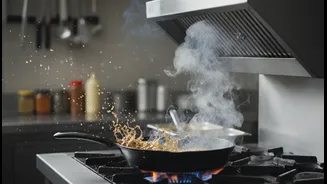
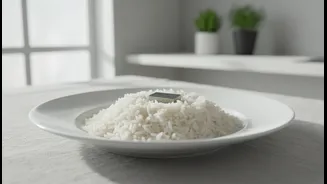
Good hygiene isn't just for pet or baby food; it's for everything you prepare. The foundation of a safe kitchen rests on four key pillars: clean, separate, cook, and chill. Clean your hands, surfaces, and utensils often. Separate raw meats, poultry, seafood, and eggs from other foods in your shopping trolley, fridge, and during preparation. In the refrigerator, always store raw meat in covered containers on the bottom shelf to prevent juices from dripping onto other foods. Cook foods to their correct internal temperatures to kill harmful bacteria. Finally, chill perishable foods promptly, as bacteria can multiply rapidly in the 'danger zone' between 4°C and 60°C. Make these habits a routine for everyone in the household to ensure every meal is a safe one.