
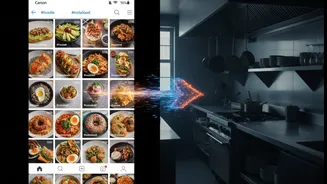


The Speed of a Scroll vs. The Pace of a Kitchen
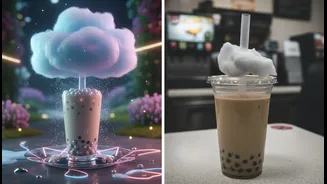
The fundamental disconnect between a digital trend and a physical menu item is speed. A food trend can be born, go viral, and die on Instagram or TikTok within a few weeks. The “camera eats first” culture means dishes are designed for visual appeal, from
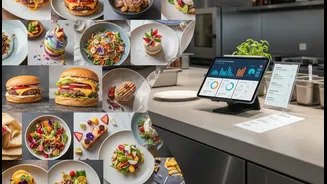
high colour contrast to elements like cheese pulls that look great in a 30-second reel. However, a restaurant operates on a much slower, more deliberate timeline. Changing a menu isn't as simple as trying a new recipe. It's a resource-intensive process that involves sourcing ingredients, standardising the recipe for consistency, calculating costs, training kitchen staff, and finally, printing and distributing new menus. This operational reality means development cycles can take months, not days. By the time a large chain is ready to launch a dish, the trend may have already vanished.
The Myth of Universal Demand
A million views do not equal a million sales. This is the second hard truth behind the social-to-menu gap. Online engagement, such as likes, shares, and comments, is a form of passive interest. It doesn't always translate into a willingness to spend money. Restaurateurs are acutely aware that what’s entertaining to watch online may not be what a family wants for dinner on a Tuesday. Consumer demand is also highly localised and culturally specific. A quirky food trend from Mumbai might not resonate with diners in Chennai or Kolkata. Restaurants have to consider their specific clientele, brand identity, and regional taste preferences before investing in a trend that might only appeal to a small, hyper-niche audience. Data from delivery platforms provides insights, but it also shows that core preferences for cuisines like North Indian and Chinese remain dominant for actual orders.
The Hidden Costs of Chasing Hype
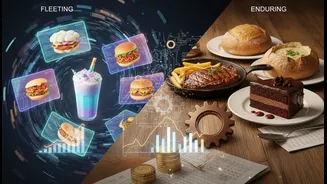
For a restaurant, jumping on every viral trend is a high-risk gamble. The financial and operational hurdles are significant. First, there's the supply chain. Sourcing niche or imported ingredients for a short-lived fad can be expensive and unreliable. Second, there are labour costs. Complex, Instagrammable dishes often require more preparation time and specialised staff training, which eats into profit margins. An overly extensive menu driven by trends leads to procurement challenges and food wastage, a major hidden cost. Many restaurants have found that a smaller, well-engineered menu where most items are profitable is a more sustainable business model. Facing rising ingredient and fuel costs, many operators are focused on protecting margins rather than chasing fleeting trends.
Asking Better Questions
The headline of this piece suggests we need better questions, and this is the crux of the issue. Instead of asking, "Why isn't this viral dish on my local menu?", the more insightful questions are the ones restaurateurs ask themselves every day. Is this trend sustainable, or will it be gone in a month? Does it align with our brand and what our loyal customers expect from us? Can we source the ingredients consistently and affordably? Can we produce it efficiently without slowing down the entire kitchen? And most importantly, can we sell it at a price that covers our costs and generates a profit? Some restaurants cleverly navigate this by offering viral dishes as limited-time offerings, creating urgency and minimising long-term risk. This allows them to capture the buzz without overhauling their core operations.