




A Celestial Spectacle Explained
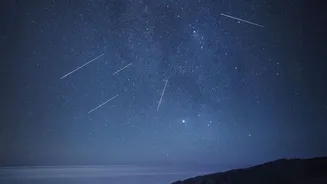
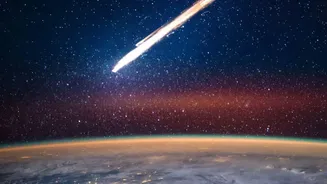
What exactly is a meteor shower? In simple terms, it's the result of Earth passing through a trail of dusty debris left behind by a comet or, occasionally, an asteroid. As these tiny particles, many no bigger than a grain of sand, enter our atmosphere
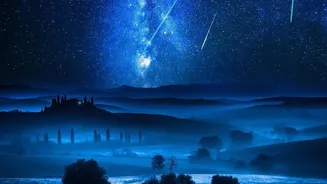
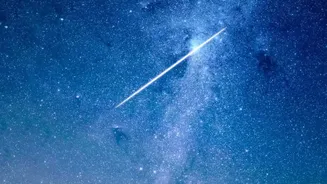
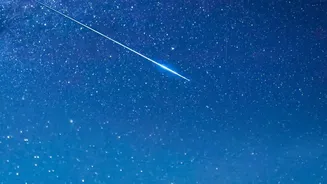
at high speeds, they burn up and create the fleeting streaks of light we call 'shooting stars' or meteors. While stray meteors can be seen on any given night, a shower occurs when Earth intersects a dense cloud of this debris, resulting in dozens of meteors per hour appearing to radiate from a single point in the sky, known as the radiant.
Late Monsoon Marvel: The Perseids
First up are the Perseids, often considered one of the most reliable and beloved showers of the year. While the headline places them in autumn, they are technically a late monsoon spectacle, peaking on the night of August 12-13, 2026. This year's event promises to be extraordinary because the peak coincides with a new moon, meaning the sky will be perfectly dark, free from any moonlight that would otherwise wash out fainter meteors. Under ideal conditions, away from city lights, viewers can expect to see anywhere from 50 to 100 meteors per hour. These meteors are debris from the massive Comet Swift-Tuttle.
Autumn's Starry Show: The Orionids
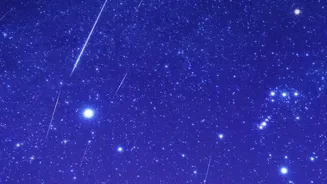
Truly an autumn event, the Orionid meteor shower is active from early October to early November and is set to peak on the night of October 21-22, 2026. These meteors are famous for being fragments of Halley's Comet, one of the most renowned comets in history. The Orionids are known for their speed and can leave behind glowing 'trains' that linger for a few seconds after the meteor has vanished. In 2026, viewing conditions are again favourable. While the moon will be present, it sets in the early morning, leaving the prime viewing hours after midnight dark and clear for the show. Observers can anticipate seeing up to 25 meteors per hour from a dark location.
Escape the Glow: Where to Watch
The key to a successful stargazing experience is getting away from the light pollution of metropolitan areas. The darker the sky, the more you will see. You don't need to travel to a designated observatory; any remote rural location will offer a vastly better view than a city. Consider high-altitude locations like hill stations in Himachal Pradesh or Uttarakhand, which offer clearer skies. The vast, open landscapes of the Rann of Kutch in Gujarat or the deserts near Jaisalmer in Rajasthan are also exceptional choices. Even coastal areas, provided you are far from town lights, can offer a great vantage point. Regions like Ladakh, home to India's first Dark Sky Reserve in Hanle, offer world-class conditions, but excellent views are accessible across the country for those willing to drive an hour or two away from urban centres.
Your Viewing Guide: Tips for Success
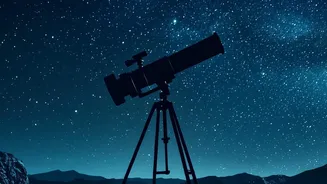
You don't need any special equipment to enjoy a meteor shower; your eyes are the best tools for the job. Binoculars or telescopes have too narrow a field of view. The best time to watch is generally between midnight and the hours just before dawn. Find a comfortable spot, perhaps with a reclining chair or a blanket on the ground, and allow your eyes at least 20 minutes to fully adjust to the darkness. Dress in warm layers, as even pleasant evenings can get chilly during long periods of inactivity. Pack a flask of tea or coffee and some snacks to make the wait more comfortable. Most importantly, have patience. Meteor showers are more of a steady trickle than a downpour, but the reward is a truly magical experience.