



The Travel-Induced Plant Panic
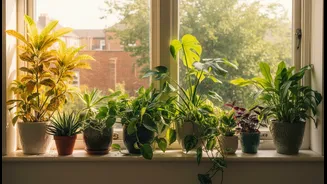
You’ve packed your bags, arranged your transport, and confirmed your meetings, but one question lingers: who will water the plants? For owners of sensitive tropicals—plants that hail from rainforests and demand consistent conditions—leaving them unattended
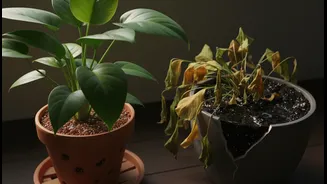
for more than a few days feels like a gamble. These leafy companions, from the dramatic Calathea to the iconic Fiddle Leaf Fig, are not as forgiving as a hardy snake plant. They are accustomed to steady moisture, and the boom-and-bust cycle of a pre-travel drenching followed by a long dry spell can lead to stress, brown edges, and a very unhappy plant greeting you upon your return.
How Self-Watering Pots Provide a Solution
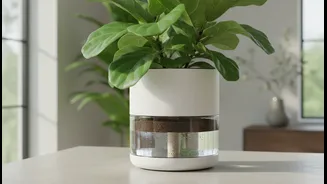
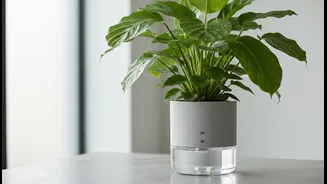
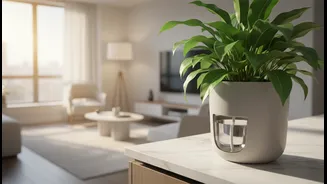
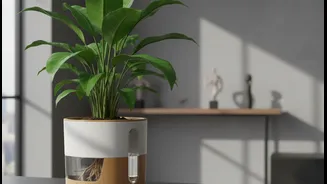
Enter the self-watering pot, a clever invention designed to take the guesswork out of watering. These planters are engineered to provide a consistent supply of moisture to the soil, mimicking the humid, evenly moist conditions that many tropical plants love. Instead of watering from the top on a rigid schedule, a self-watering pot allows the plant to draw water from a built-in reservoir as needed. This system of bottom-watering through capillary action is a game-changer for frequent travellers, ensuring your plant gets a steady drink without the risk of being drowned by a well-meaning but overzealous plant-sitter.
The Mechanics of a Worry-Free System
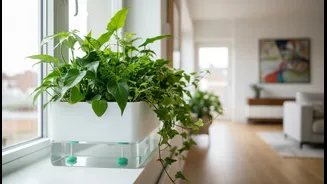
The design is simple yet effective. A typical self-watering pot consists of an outer pot that holds a water reservoir and an inner pot for the plant and soil. The two are connected by a wicking system, which can be a piece of absorbent rope, a porous plug, or a section of the inner pot that extends down into the water. Through a process called capillary action, the wick draws water from the reservoir up into the soil. The plant’s roots then absorb this moisture as they require it. This method keeps the soil consistently moist but not waterlogged, a crucial balance for preventing root rot, which is a common killer of tropical plants.
Why Tropicals Thrive with This Method
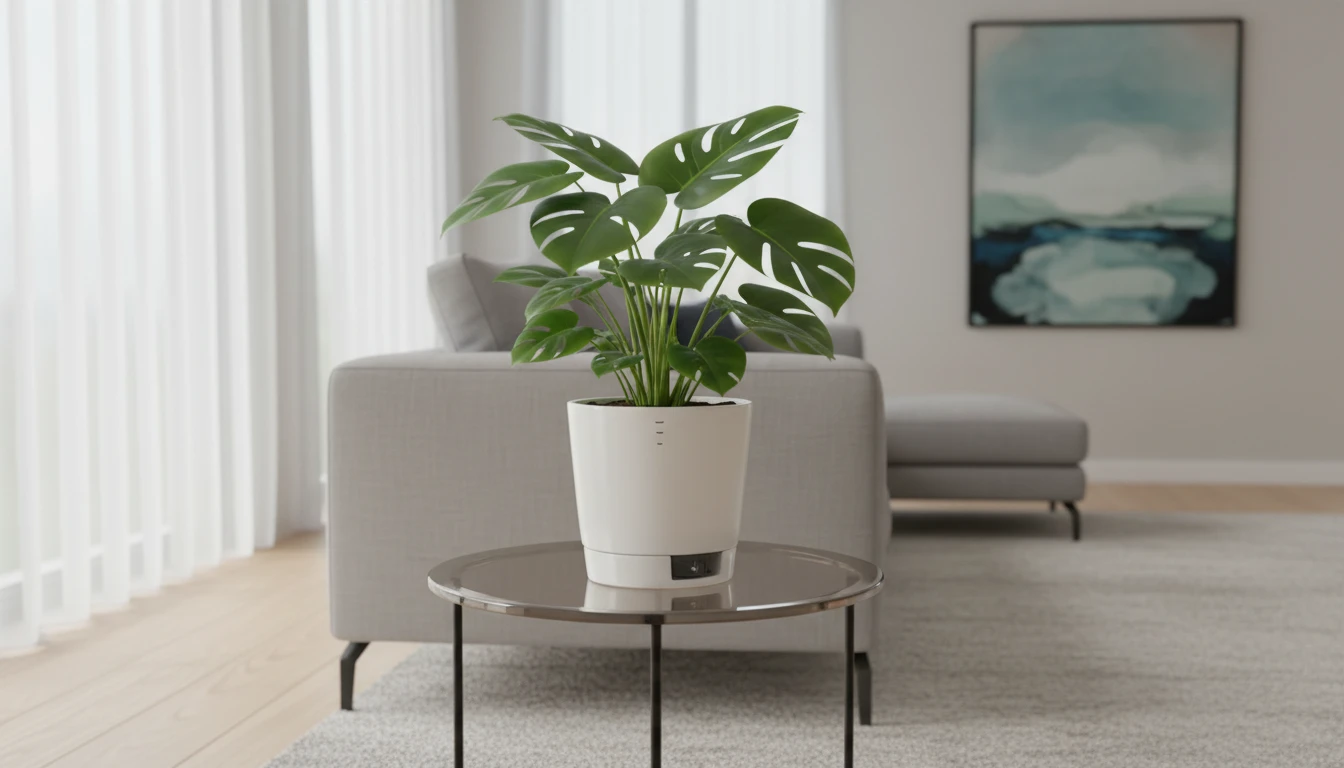
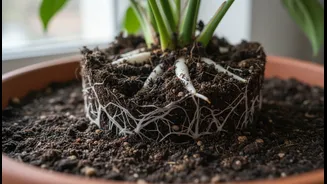
Tropical plants like Monsteras, Calatheas, and ferns are particularly well-suited to self-watering systems because they hate drying out completely. Consistent moisture encourages strong, healthy root development, as roots grow downwards towards the stable water source. Furthermore, by watering from the bottom, the top layer of soil can remain drier, which helps to discourage common pests like fungus gnats that are attracted to damp surfaces. It also prevents water from splashing on sensitive foliage, which can cause spotting or fungal issues on certain plants. This consistent, controlled environment reduces the stress on the plant, making it more resilient and vibrant.
Not a One-Size-Fits-All Solution
While wonderful for moisture-loving plants, self-watering pots are not suitable for every species. Plants that prefer their soil to dry out completely between waterings, such as succulents, cacti, or ZZ plants, are at high risk of root rot in such a system. The constant availability of water can be fatal for these drought-tolerant varieties. It is also important to choose a high-quality pot with a reliable wicking system and an overflow mechanism to prevent the reservoir from flooding the roots. In very humid environments, you might also find that the soil retains too much water, so monitoring is still key.
Best Practices Before You Go
To set your plant up for success, make sure to test the system a few weeks before your trip. Pot your plant correctly in the inner pot and give it a thorough watering from the top to begin with, allowing excess to drain into the reservoir. This helps settle the soil and ensures the wick starts drawing water effectively. Fill the reservoir, but don’t overfill it. Many pots come with a water level indicator to guide you. Finally, move your plants away from direct, hot sunlight before you leave; lower light levels will reduce their water uptake and help the reservoir last longer. By taking these steps, you can confidently leave for your trip, knowing your green companions are in good hands—or rather, good pots.