


The Lure of the Unplanned Purchase
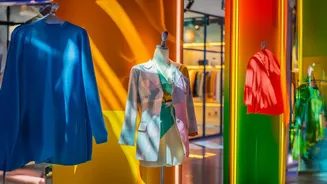
Before we build the list, it helps to understand what we're up against. Unplanned, trend-led purchases are rarely accidental. Online stores and social media are engineered to make you buy on impulse. Research shows that factors like emotional state, clever
marketing, and the desire for instant gratification are powerful drivers of unplanned spending. The excitement of a flash sale, the targeted ad for a dress you just saw on an influencer, or even just boredom can trigger a 'dopamine hit' that ends with another item in your cart. This cycle is profitable for retailers but leaves you with a wardrobe full of items bought for a fleeting feeling, not for your actual life. Recognizing that these urges are often triggered by external cues is the first step toward taking back control.
Step 1: Audit Your Own Closet
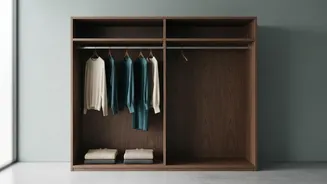
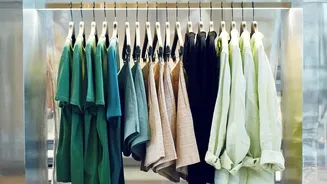
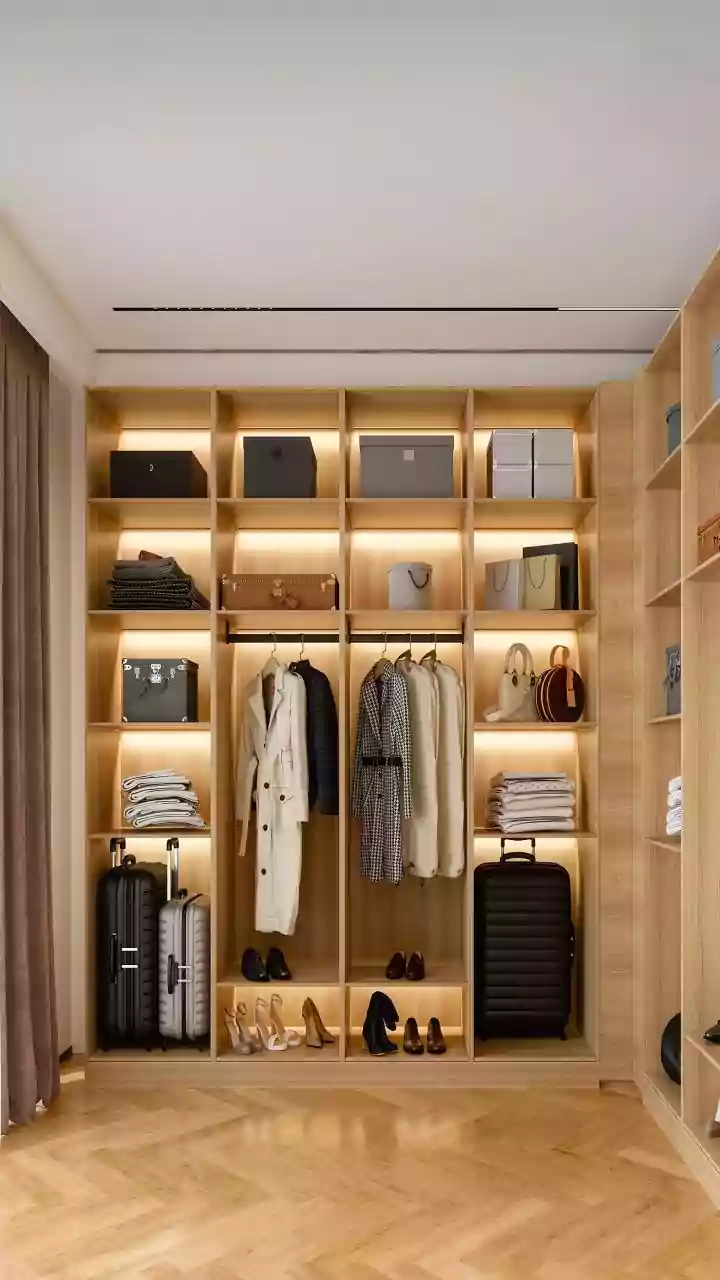
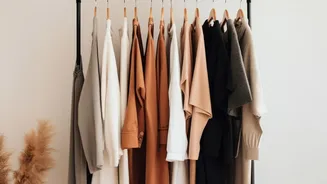
A good shopping list doesn't start at the store; it starts in front of your own wardrobe. Before you can decide what you need, you have to honestly assess what you already own. Take a moment to look through your closet, not as a source of frustration, but as a source of data. What do you consistently wear? What items still have the tags on? Group similar items together to see your habits laid bare. You might discover you own ten black t-shirts but lack a single reliable coat. The goal of this audit is to identify both the gaps in your wardrobe and the patterns of purchasing that aren't serving you. This isn't about feeling guilty over past purchases, but about gathering the information needed to shop smarter in the future.
Step 2: Define Your Real-Life Style
Many impulse buys happen because we shop for a fantasy version of ourselves instead of the person we are every day. Be honest about your lifestyle. Do you work from home, in an office, or on your feet all day? What do your weekends actually entail? Your clothing needs should reflect your reality. Think about the outfits that make you feel most confident and comfortable. Are there common threads—colors, silhouettes, fabrics? This is the foundation of your personal style. Aim to build a wardrobe where items are versatile and can be mixed and matched. Your list should serve your life, not the life of a person you saw on social media for 15 seconds.
Step 3: Craft Your Strategic Shopping List
Now, it's time to create the list. This is more than a simple memo; it's a strategic plan. Based on your closet audit and style analysis, divide your list into categories. Start with 'Needs'—these are replacements for worn-out staples or items that fill a genuine gap you identified, like a good pair of winter boots. Then, create a 'Wants' or 'Upgrades' list for items that would enhance your wardrobe but aren't urgent. Be specific. Instead of writing “new top,” write “long-sleeved, cream-colored blouse in cotton.” This specificity acts as a filter, preventing you from getting distracted. This list becomes your roadmap, guiding you toward intentional purchases that build a cohesive and functional wardrobe.
Step 4: Shop with Purpose, Not Impulse
With your list in hand, you're ready to engage with the retail world on your own terms. Whether you're browsing online or in a physical store, your list is your shield. Make a rule to only purchase items that are on your list. If you see something tempting that isn't on the list, the answer is simple: you don't buy it. Instead, if you still want it after a few days, you can consider adding it to your 'Wants' list for future consideration. Many experts recommend a 24-hour waiting period for any unplanned purchase. This simple delay often dissolves the artificially created sense of urgency, allowing you to make a more rational decision. This practice helps you avoid the temptation of sales and resist marketing tactics designed to make you spend.