







The Global Scramble for Minerals
India’s ambitious push towards electric mobility and renewable energy has a significant bottleneck: mineral security. The lithium-ion batteries that power this transition rely on minerals like lithium, cobalt, and nickel. Currently, India is almost entirely
dependent on imports for these critical resources. This isn't just an economic inconvenience; it's a major strategic vulnerability. The global supply chain is highly concentrated, with China dominating the refining and processing of most of these key minerals. For instance, China refines a vast majority of the world's lithium and cobalt. This gives a single nation immense control over the building blocks of the green economy. India's import bill for these minerals has already surged, and as the country's battery demand is projected to grow exponentially—from 28 GWh in 2025 to an estimated 272 GWh by 2030—this dependency will only deepen.
From Linear Problem to Circular Solution
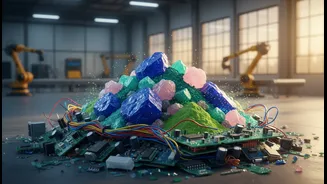
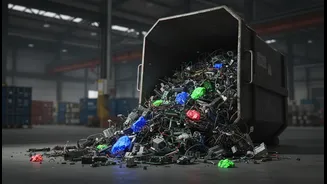
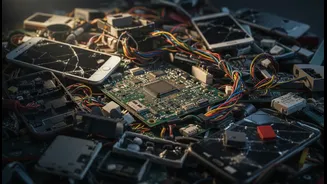
Rather than simply trying to secure a slice of a fiercely competitive global mining pie, a more sustainable solution is emerging: the circular economy. This means shifting from a 'take-make-dispose' model to one where resources are recovered and reused. For batteries, this involves creating a robust system to collect, refurbish, and recycle end-of-life batteries to extract the valuable minerals within them. NITI Aayog has identified recycling as the quickest path to reducing India's import reliance, as developing domestic mining will take years. The potential is enormous. Used batteries can become a valuable domestic source of lithium, cobalt, and nickel, a concept often called 'urban mining'. Recovering these materials can be up to 40% cheaper than sourcing them from virgin mines, presenting a huge economic opportunity. While currently less than 5% of batteries are formally recycled, the government is taking notice.
Building the Recycling Ecosystem
Recognizing the strategic imperative, Indian policymakers are beginning to build the necessary framework. The Battery Waste Management Rules, 2022, mandate Extended Producer Responsibility (EPR), making manufacturers accountable for the collection and recycling of their used batteries. The rules set ambitious targets, requiring producers to recycle a growing percentage of their products and to use a certain share of recycled materials in new batteries. Government bodies like NITI Aayog and ministries are actively developing policies to support the recycling industry and scale up the necessary infrastructure. The goal is to create a formal, efficient system that can handle the massive wave of end-of-life batteries expected towards the end of this decade. Success will depend on overcoming challenges like poor collection rates and the dominance of the hazardous informal recycling sector.
The New Green-Collar Careers
This pivot towards a circular economy isn't just about resource security; it's a massive engine for job creation. As India scales up its renewable energy capacity and EV adoption, a whole new ecosystem of 'green-collar' jobs is emerging. The renewable energy sector already employed over a million people in India in 2023. A recent study projected that India's clean energy goals could create over 4.4 million jobs by 2030, with rooftop solar being a major driver. Specifically, the battery sector will require a skilled workforce across its entire lifecycle. This includes jobs in battery assembly, maintenance, and, crucially, in the new recycling facilities. Roles will range from technicians and engineers specializing in battery diagnostics and material recovery to logistics managers handling reverse supply chains and data analysts optimising recycling processes. As the industry formalizes, it will demand skilled workers capable of handling complex and often hazardous materials safely, shifting jobs from the informal to the formal economy.