





The Sobering Statistics of Travel Stress
It’s a significant number that has the aviation industry paying close attention. According to the SITA 2026 Passenger IT Insights report, which surveyed nearly 8,000 travellers across 24 countries, a huge segment of potential customers are simply opting
out. The problem is even more acute among the most valuable passenger groups. A staggering six in 10 frequent flyers admitted to abandoning a trip due to anticipated stress. More than half of all travellers under the age of 30 have done the same, signalling a serious challenge in retaining the next generation of flyers. This isn't just about pre-flight jitters; it's a reflection of a travel experience that many now perceive as fundamentally broken, leading them to vote with their wallets by staying home.
Anatomy of Airport Anxiety
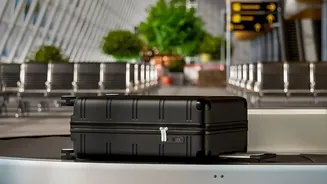
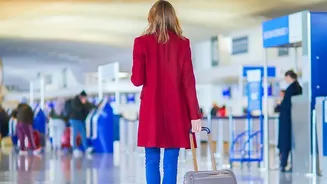
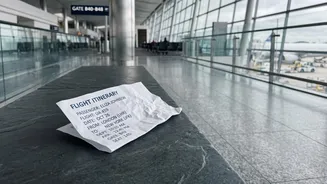
So, what exactly is causing this travel turmoil? The survey pinpoints a few key culprits, and they will sound familiar to anyone who has flown recently. The primary stressors are operational hurdles: the agony of flight delays, the frustration of long queues for everything from check-in to security, and the persistent worry about baggage. But the underlying theme connecting all these issues is uncertainty. According to SITA's CEO, David Lavorel, most of the anxiety comes down to passengers 'not knowing what happens next'. This anxiety peaks in the so-called 'dwell time'—the period after clearing security but before boarding. The report found that one-third of passengers now feel anxious during this window, a threefold increase from 2023, as they worry about gate changes, boarding times, and making connections.
Passengers See Technology as the Answer
While the problems are clear, so is the potential solution. An overwhelming majority of passengers—eight out of 10—believe technology holds the key to making air travel less stressful. This confidence is even higher among the frequent flyers (89%) and younger travellers (86%) who are most likely to cancel stressful trips. They aren't asking for futuristic robots, but for practical tools that give them back a sense of control. This includes real-time alerts sent directly to their phones about flight status, gate changes, and baggage location. They want to see live wait times displayed on airport screens to manage their schedule better. Many are even ready to embrace AI if it means getting instant, personalised updates about their specific journey.
How to Reduce Your Own Travel Stress
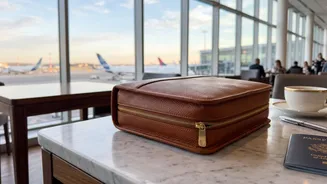
While we wait for the industry to implement these tech-driven solutions universally, there are steps every traveller can take. First, embrace the technology that already exists. Use airline apps for mobile check-in and to receive notifications. Sign up for SMS alerts. Before leaving for the airport, check for real-time security wait times if available. Second, build buffers into your schedule. Arriving with extra time is a simple but effective way to reduce the anxiety of rushing. Third, consider services that streamline the process. Airport lounges can offer a quiet escape from the terminal's chaos, and baggage-wrapping or tracking services can provide peace of mind. The goal is to minimise uncertainty wherever you can, transforming moments of anxiety into periods of calm.
A Wake-Up Call for the Industry
For airlines and airports, these findings are more than just feedback; they represent a direct commercial opportunity. As SITA's CEO noted, every trip that is won back from a stressed passenger is 'a seat filled, a parking space sold and a coffee bought'. The report highlights how a calmer passenger is also a better customer. When travellers aren't anxiously watching the clock, they are more likely to spend time and money in airport shops and restaurants. By investing in technology that provides transparency and restores passenger confidence—from biometric boarding to smart baggage updates—the industry can not only fix its stress problem but also unlock significant new revenue and secure future demand.