







The Great Indian Language Barrier
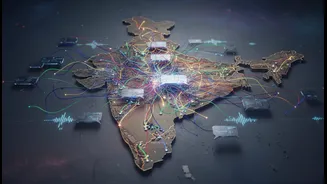
India's digital world is a paradox. It is home to hundreds of languages and dialects, yet the path to wider recognition and monetisation for content creators has often been paved with English. This creates a significant hurdle for talented individuals
in rural and semi-urban areas who are fluent in their mother tongue but may not have the English proficiency required for scriptwriting, collaborating, or engaging with global platforms. This linguistic divide means countless stories, perspectives, and talents remain locked away from a larger audience, limiting not only a creator's reach but also their economic potential. The pressure to conform to an English-centric internet often forces creators to either abandon their authentic voice or remain confined to a smaller, regional audience.
Gemini Live's Vernacular Upgrade
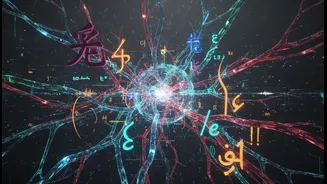
Google's latest update to Gemini Live is a direct answer to this challenge. Initially launched with support for a handful of languages, recent expansions have dramatically broadened its capabilities. At events like Google for India and Google I/O Connect India 2026, the company announced support for a vast array of Indian languages, including Hindi, Bengali, Marathi, Tamil, Telugu, Gujarati, Kannada, Malayalam, and Urdu, and even further expanding to over 25 languages and dialects like Bhojpuri and Sanskrit. This isn't just about text translation. Gemini Live is a conversational AI that allows users to speak, ask questions, and receive responses in their chosen language. It allows for a natural, free-flowing conversation, where you can interrupt the AI and ask follow-up questions, much like talking to a person.
A New Workflow for the Rural Creator
So how does this practically help a creator? Imagine a YouTuber from a village in Maharashtra who wants to create a travel series about local historical sites. Previously, they would face a daunting task. Now, they can use Gemini Live to brainstorm ideas entirely in Marathi. They can simply speak their thoughts, and the AI can help structure them into a compelling narrative. The creator can then verbally dictate a script in Marathi, with Gemini refining the language and flow. For reaching a wider audience, they can ask Gemini to translate the script and generate English subtitles, a task that was once a major technical and linguistic barrier. The AI can even help with video descriptions and social media posts, all generated from a simple voice prompt in their native tongue. This removes the friction and intimidation of English-based software and workflows.
Beyond Translation: Unlocking Authenticity
The impact of this technology goes far beyond simple translation. It’s about empowerment and authenticity. When creators can think, script, and produce content in the language they are most comfortable with, their true personality and unique cultural perspective can shine through. They no longer have to perform a version of themselves filtered through a language they may not be fluent in. Research has shown that users are significantly more likely to engage with content in their native language, which can lead to higher engagement and better monetisation for creators. This AI-powered shift allows creators to cater to the massive and growing audience for vernacular content in India, without sacrificing the opportunity for global reach.
The Future is Vernacular
The integration of powerful, multilingual AI like Gemini Live into accessible platforms is a watershed moment for India's digital ecosystem. It signals a move away from a one-language-fits-all model to a truly inclusive and diverse creator economy. As these tools become more sophisticated, they will continue to break down barriers, not just for video creators but for podcasters, writers, artisans, and small business owners in every corner of the country. This will not only enrich the internet with a wider variety of voices and stories but also drive economic growth in rural areas. By finally bending technology to India’s linguistic diversity, tools like Gemini Live are ensuring that the future of content creation speaks the many languages of India.