




A Pantry Carved from the Himalayas
Ladakh's landscape is as stark as it is beautiful. A cold desert with intense sun and minimal rainfall, it forces life to be resilient. The plants that thrive here are not just greens; they are concentrated powerhouses of flavour and nutrients. For centuries,
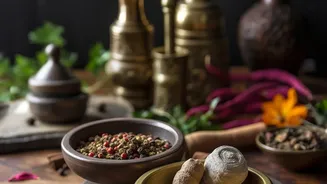
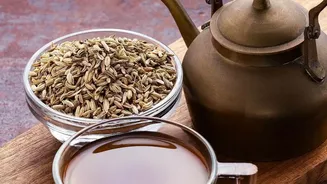
Ladakhi communities have relied on wild edible plants for both food and medicine. Species like Himalayan thyme, wild caraway, and stinging nettle are staples in the local cuisine, often used in soups like Thukpa or stews like Skyu. These herbs develop potent aromatic compounds to survive the extreme conditions, making them far more intense than their lower-altitude cousins. This unique botanical library, shaped by altitudes of over 10,000 feet, is now capturing the imagination of culinary innovators.
The Tradition of Smoke and Flavour
Smoke is an elemental part of traditional Ladakhi life, used for everything from heating to flavour preservation. In cuisine, ingredients like Chhurpi, a hard cheese made from yak milk, are often sun-dried until they develop a smoky, pungent character. This technique is not just for preservation; it imparts a deep, umami-rich flavour. While the direct smoking of herbs for beverages is less documented, the practice of using smoky elements is integral to the region's flavour profile. The traditional butter tea, or 'gur gur cha', is often made from a potent, smoky brick tea that is boiled for hours to create a bitter concentrate. This affinity for smoky notes provides a cultural precedent for the new infusions being developed today, linking modern creations to an ancient palate.
The Rise of the Modern Infusion
The modern drinker is increasingly driven by a desire for authenticity, wellness, and unique flavour experiences. This has created a perfect stage for Ladakhi ingredients. Startups and boutique brands are now looking to the Himalayas, transforming traditional botanicals into contemporary products. One of the most famous examples is sea buckthorn, a tart, vibrant orange berry packed with Vitamin C and rare Omega-7 fatty acids. While traditionally consumed as a juice or jam, it's now finding its way into sophisticated, dairy-free cocktails and wellness drinks. Collaborations between Ladakhi hotels and metropolitan mixologists are reimagining ingredients like roasted barley and wild herbs into complex, non-alcoholic beverages that tell the story of the mountains.
Crafting a Dairy-Free Experience
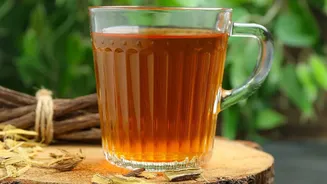
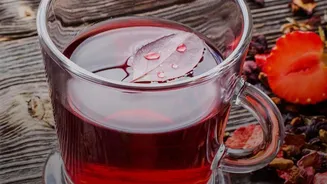
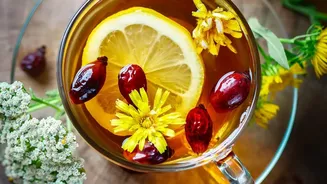
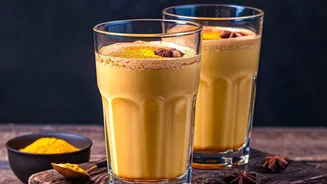
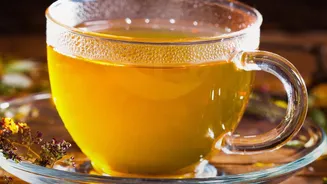
The move towards dairy-free infusions is a direct response to modern wellness trends, where consumers seek plant-based alternatives that don't compromise on taste. Instead of the traditional yak butter or milk, these new drinks use bases like oat milk, almond milk, or simply hot water to create a cleaner, lighter canvas. This allows the nuanced aromas of the wild herbs to shine through. Imagine a warm, dairy-free latte infused with the subtle, nutty flavour of roasted barley, or a chilled tisane featuring the bright, citrusy notes of sea buckthorn and the sharp punch of wild Ladakhi chives. These are drinks designed not just for hydration, but for experience—offering a sensory journey to a remote and pristine landscape with every sip.
Why It Resonates Today
The appeal of these Ladakhi infusions lies in their story. They represent a connection to a place where nature is pure and traditions run deep. For the modern Indian consumer, who is increasingly interested in homegrown, artisanal products with a clear provenance, this is incredibly compelling. Brands like Ladakh Basket and Siachen Naturals are building a bridge, connecting local farmers and foragers with a national market, ensuring that this new trend also supports sustainable livelihoods. By choosing a drink infused with wild Himalayan mint or caraway, consumers are not just buying a beverage; they are participating in the preservation of a unique cultural and ecological heritage, one aromatic cup at a time.