

The Zero-Waste Opportunity in Your Fruit Bowl
Each year, countless tonnes of citrus peels end up in landfills, where they release methane, a potent greenhouse gas. But for a growing number of home cooks, these scraps are a valuable resource. The zero-waste kitchen philosophy is simple: use everything
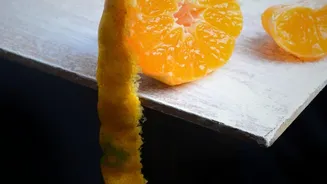
and waste nothing. Transforming orange rinds into something new is a perfect example of this principle in action. Instead of contributing to food waste, you create a new pantry staple, save money, and lessen your environmental impact. This approach redefines what we see as 'leftovers,' turning them into opportunities for culinary creativity. From making natural household cleaners to flavouring teas, citrus peels have many uses, but turning them into preserves is one of the most delicious.
What Makes Orange Rind Preserves 'Gut-Healthy'?
The claim of being 'gut-healthy' isn't just a buzzword; it's rooted in the peel's nutritional profile. The pith, the white layer beneath the colourful zest, is packed with pectin. Pectin is a type of soluble dietary fibre that functions as a prebiotic, meaning it serves as food for the beneficial bacteria in your gut, like Bifidobacteria and Lactobacillus. A healthy gut microbiome is crucial for proper digestion, a strong immune system, and even mental clarity. Research shows that pectin helps promote regular bowel movements, can reduce gut inflammation, and supports the intestinal lining. Beyond pectin, orange peels are a powerhouse of nutrients, containing significant amounts of Vitamin C, polyphenols like hesperidin, and other antioxidants that help combat inflammation. Recent studies have also highlighted that compounds in orange peel may help reduce the production of TMAO, a metabolite linked to cardiovascular issues, further underscoring the benefits of not letting this part of the fruit go to waste.
A Simple Method for Candied Orange Peels
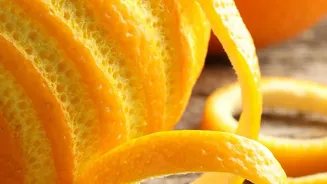
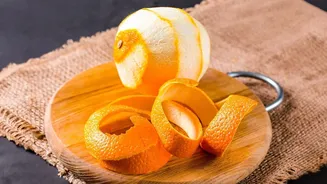
Making preserves from orange rinds is easier than you might think. The most common method is creating candied peels, which can be eaten as a sweet treat or chopped and added to baked goods. The key is a multi-step boiling process that removes bitterness from the pith. Start with the peels from 3-4 organic oranges, as this avoids consuming pesticide residues. Slice the peels into thin, uniform strips. To reduce bitterness, place them in a pot, cover with cold water, bring to a boil, and simmer for about 15 minutes. Drain the water and repeat this process at least once more. After the final blanching, you'll simmer the peels in a simple syrup. For a basic syrup, combine one cup of sugar with one cup of water, bring to a boil to dissolve the sugar, then add the blanched peels. Let them simmer on low heat for 45-60 minutes, or until the peels become soft and translucent.
Finishing and Storing Your Preserves
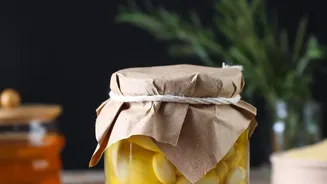
Once the peels are translucent and glossy, carefully remove them from the syrupy liquid with a slotted spoon. Don't throw out the remaining syrup; it's now a delicious orange-flavoured simple syrup perfect for cocktails or sweetening tea. Place the hot peels on a wire rack to dry. For a classic candied peel finish, toss them in granulated sugar while they are still sticky. Allow them to air-dry for several hours until they are no longer wet to the touch. Once fully cooled and dry, your homemade preserves can be stored in an airtight container at room temperature for several weeks. You can also dip them in melted dark chocolate for an even more decadent treat.
How to Enjoy Your Zero-Waste Creation
These candied orange peels are incredibly versatile. Enjoy them on their own as a sweet snack, or chop them up and add them to scones, muffins, or fruitcakes for a burst of citrus flavour. They make a beautiful garnish for desserts and cheese boards, adding a professional touch to your presentations. You can also stir them into yogurt or oatmeal for added texture and sweetness. By taking a few simple steps, you've not only created a delicious and healthy treat but also taken a tangible step toward a more sustainable, less wasteful kitchen.