
The Origin: A Famous NASA Study
The belief that indoor plants can purify the air took root in 1989 with a landmark study from NASA. Researchers, looking for ways to clean the air in sealed space stations, placed common houseplants in small, airtight chambers and introduced pollutants
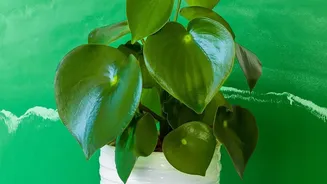
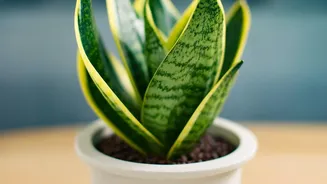
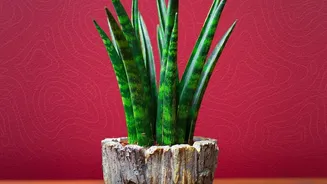
known as volatile organic compounds (VOCs). These chemicals, like formaldehyde and benzene, are common in homes, off-gassing from furniture, paints, and cleaning supplies. The results were promising: some plants were remarkably good at removing these VOCs from the sealed environment. The peace lily, snake plant, and English ivy became famous as air-purifying heroes. This single study launched a green revolution in home decor, promising a natural, beautiful way to create a healthier living space.
The Reality Check: A Problem of Scale
While the NASA study was scientifically sound, there’s a major catch: its findings don't translate to a typical home or office. The experiments were conducted in small, sealed chambers, an environment that doesn’t mimic a real-world living space with drafts, open windows, and ventilation systems. More recent analysis of decades of research has concluded that in a normal room, the effect of a few plants is negligible. The rate at which fresh air naturally enters and circulates in a room—even a seemingly stuffy one—dilutes pollutants much faster than plants can absorb them. So, how many plants would it take to make a real difference? The numbers are staggering. According to researchers, you would need anywhere from 10 to 1,000 plants per square meter to replicate the air-cleaning effects seen in the lab. For an average-sized living room, that could mean cramming thousands of plants into the space—a solution that is impractical for anyone not living in a literal jungle.
Don't Throw Out Your Plants Just Yet
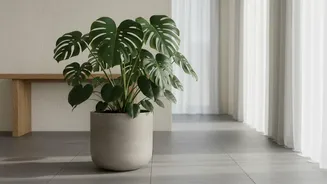
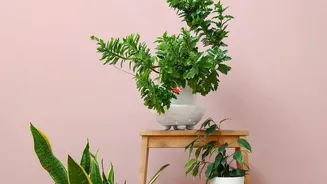
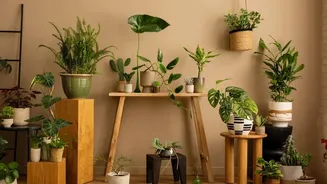
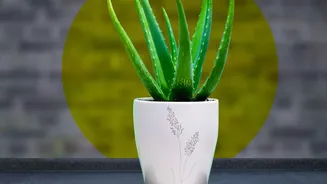
This news might feel disappointing, but it doesn't mean your houseplants are useless. While they may not be the air-purifying powerhouses we once thought, their benefits are still very real. Numerous studies have shown that being around plants has a measurable positive impact on mental health. Tending to greenery can reduce stress, improve focus, and boost your mood. Workers in offices with plants have been found to be more productive and take fewer sick days. The simple aesthetic beauty of plants can make a space feel more alive, welcoming, and calm. They connect us to the natural world, which is an increasingly important benefit in our indoor-centric lives. So, while you shouldn't rely on your pothos to filter out toxins, you can absolutely rely on it to make you feel happier and your home more beautiful.
What Actually Improves Indoor Air Quality?
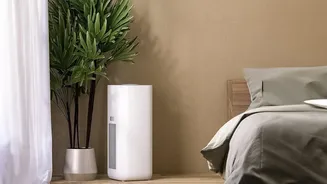
If plants aren't the solution, what is? According to environmental experts, improving indoor air quality relies on a few key strategies that are far more effective. The most important is ventilation. Simply opening your windows for a few minutes each day allows fresh outdoor air to circulate and flush out accumulated indoor pollutants. Using exhaust fans in kitchens and bathrooms is also crucial for removing moisture and contaminants at their source. The second strategy is source control: reducing the number of pollutants you bring into your home in the first place. This can mean choosing low-VOC paints, avoiding heavily scented air fresheners and candles, and letting new furniture air out before bringing it inside. Finally, for those with significant concerns about allergens or pollutants, a high-quality air purifier with a HEPA filter is a proven tool for capturing airborne particles and improving air quality in a measurable way.