








The Alluring Multi-Pet Dream
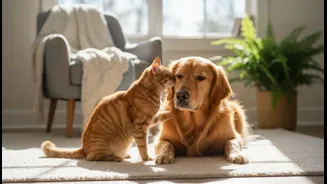
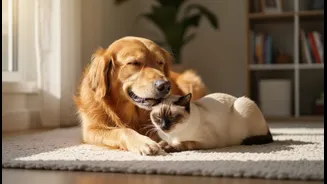
For many animal lovers, the ultimate goal is a home bustling with life, often involving both a cat and a dog. We picture them curled up together, a furry symbol of peace and contentment. This vision isn’t just about having pets; it’s about creating a family
and experiencing the unconditional love that different species can offer. The desire is understandable. Interacting with animals has been shown to provide significant mental and physical health benefits, including reduced stress and lower blood pressure. A pet can provide companionship, reduce loneliness, and even boost your mood. The idea of doubling that joy by having both a dog and a cat is incredibly appealing, promising a richer, more dynamic home environment.
A Complicated Reality
Unfortunately, successfully introducing a dog and a cat is far from guaranteed. It requires patience, careful management, and an understanding of animal behaviour. The process should be slow and gradual, often taking weeks or even months. Experts recommend keeping the animals completely separate at first, allowing them to get used to each other's scent by swapping blankets or feeding them on opposite sides of a closed door. Factors like age, temperament, and an animal's past experiences play a huge role. A dog with a high prey drive might not be suited for a home with a cat, posing a risk of injury or chronic stress for the feline. Creating a harmonious multi-pet household involves providing separate resources like food bowls and safe spaces, such as high perches for cats to escape to, ensuring both animals feel secure.
Rethinking Pet Interaction
If the challenges of a multi-pet home seem daunting, or if your lifestyle doesn't accommodate full-time ownership, it doesn't mean you have to miss out on the wellbeing benefits of animal companionship. The concept of "momentary pet contact" is gaining traction, offering the joy of animal interaction without the long-term commitment. Spending time with animals, even for short periods, can release mood-boosting hormones like serotonin and oxytocin, helping to lower stress and anxiety. This approach allows people to get their "fur fix" on their own terms, fitting it into their lives in a way that is manageable and sustainable, without the significant financial and time commitments of ownership.
Fostering: A Home Between Homes
One of the most impactful ways to experience momentary pet contact is through fostering. Animal shelters are often overcrowded, and fostering provides a temporary, loving home for an animal in need. This could be for puppies or kittens too young for adoption, animals recovering from surgery, or pets who simply find the shelter environment too stressful. Most shelters provide all necessary supplies and cover veterinary costs, making it a financially accessible option. Fostering allows you to enjoy the companionship of a pet while providing a crucial service, helping to socialize an animal and prepare it for its forever home. It’s a rewarding experience that offers the benefits of pet ownership on a temporary basis.
Volunteering and Other Avenues
If fostering isn't feasible, volunteering at a local animal shelter offers another wonderful opportunity for animal interaction. Shelters need help with a wide range of tasks, from walking dogs and socializing cats to administrative work. This not only benefits your own mental and emotional health but also improves the adoptability of the animals by helping them become more comfortable with human interaction. Other options include offering to pet-sit for friends or family, signing up for a dog-walking service, or visiting a local cat cafe. These activities provide valuable moments of connection, allowing you to experience the joy and therapeutic presence of animals in a way that fits your life.