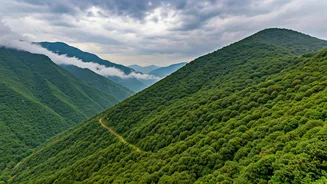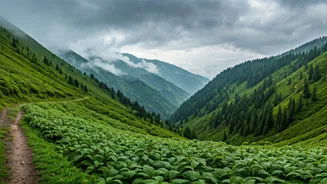


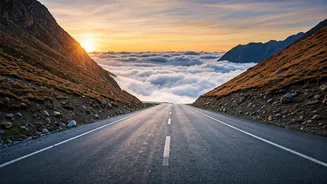

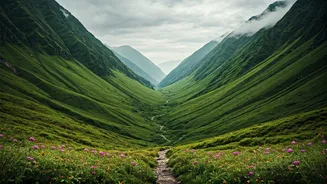


Fagu, Himachal Pradesh: A Carpet of Green
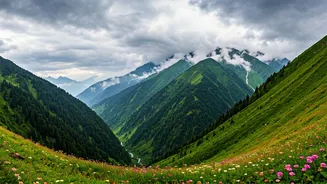
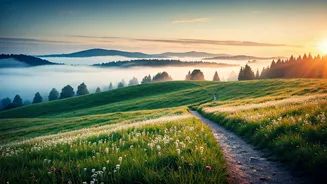
Perched near Shimla but a world away from its hustle, Fagu becomes an ethereal dream during the monsoon. [7] This quiet hamlet, surrounded by forests and apple orchards, gets enveloped in a thick mist, creating a mysterious and romantic atmosphere. The
monsoon, which lasts from June to September, washes the landscape clean, leaving behind vibrant shades of green. [7] The temperatures are pleasant, ranging from 15°C to 25°C, making it ideal for long walks through the clouds. The sound of rain on the tin roofs of traditional homes, combined with panoramic views of the mist-filled valleys, offers a deeply rejuvenating experience for those seeking solitude and natural beauty. It's a place where you can truly embrace the slow, rhythmic life of the hills.
Shoja, Himachal Pradesh: The Misty Forest Retreat
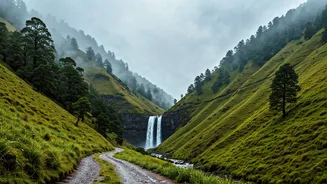
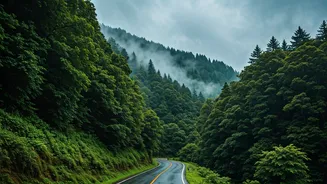
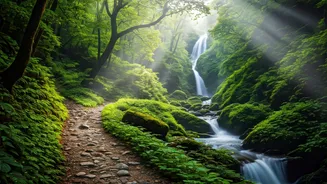
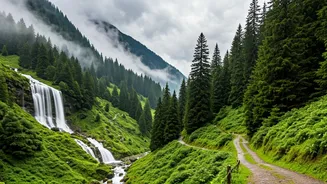
A tranquil village in the Seraj Valley, Shoja is a true hidden gem that comes into its own during the rainy season. [6] Monsoon transforms this already stunning destination into a cinematic landscape, where fog drapes itself over the dense deodar and pine forests. [11] The air is crisp, the crowds are thin, and the entire region feels quieter and more intimate. While heavy rains can make some treks challenging, forest walks to nearby spots like the hidden waterfall are incredibly rewarding. [9] The sound of gushing streams and the scent of wet earth create a sensory experience unlike any other. For travellers looking for a peaceful workation or a quiet escape to reconnect with nature, the rustic wooden cottages and calm trails of Shoja offer the perfect sanctuary. [6, 11]
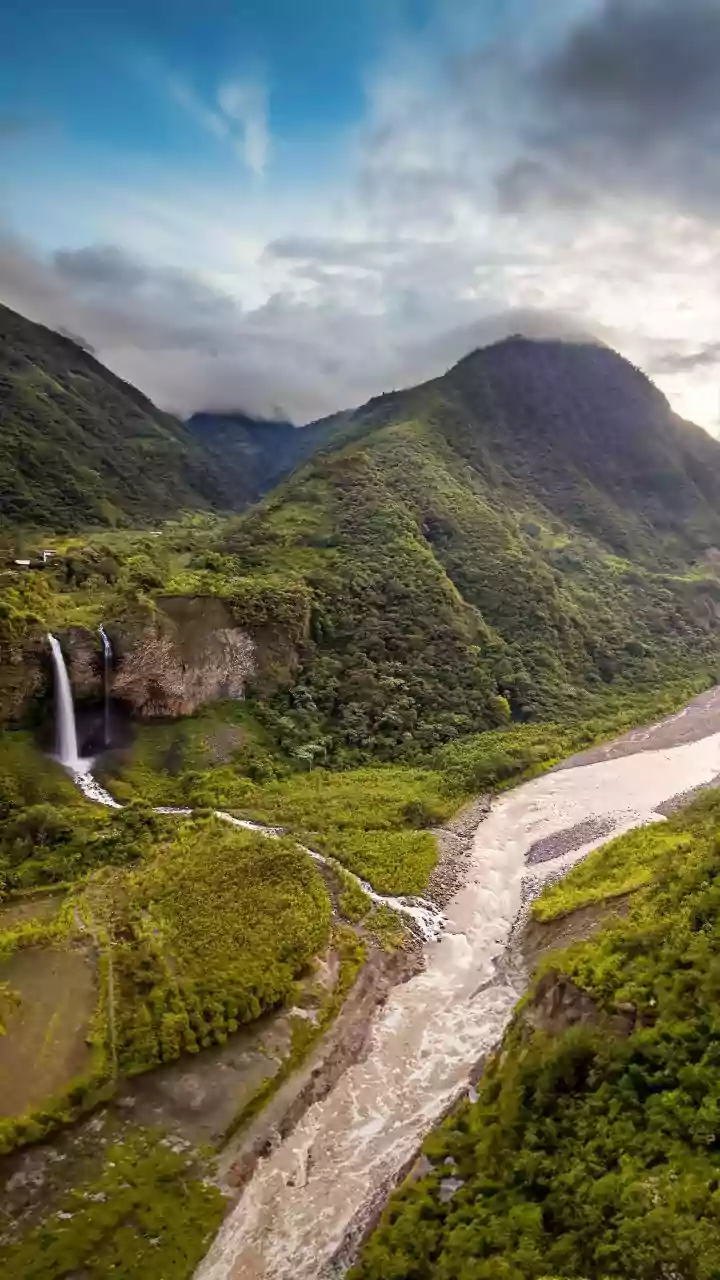
Tirthan Valley, Himachal Pradesh: For Cautious Adventurers
While many avoid the hills during monsoon, Tirthan Valley offers a unique charm for those willing to be prepared. The peak tourist season is over, meaning fewer people and a more authentic feel. [17] The Tirthan River swells with the rains, and waterfalls like Chhoie come alive, cascading powerfully through the lush greenery. [17] The valley, a gateway to the Great Himalayan National Park, becomes a paradise for nature lovers. [23] However, caution is key. It's best to visit in the shoulder months of the monsoon, like late June or after mid-August, to avoid the heaviest downpours and potential landslides. [17] Stick to shorter, safer hikes, consult locals daily about weather and road conditions, and you'll be rewarded with the valley's raw, untamed beauty. [17, 18]
Pithoragarh, Uttarakhand: The 'Little Kashmir' in Green
Often called 'Little Kashmir', Pithoragarh is a stunning valley town in the eastern corner of Uttarakhand. During the monsoon months of July to September, the region receives moderate to heavy rainfall, transforming the landscape into a vibrant green paradise. [8] Temperatures remain comfortable, between 15°C and 25°C. While the rains might interrupt some outdoor plans, the sight of rain-washed mountains and verdant valleys is a reward in itself. [8] It's a time when the town is less crowded, offering a peaceful atmosphere to explore its forts and temples. [8] However, visitors must remain vigilant and check weather forecasts and road conditions frequently, as the region can be prone to landslides. [8, 21]
Tips for a Safe Monsoon Journey
Travelling to the mountains during monsoon requires extra preparation. Always check the weather forecast from reliable sources like the IMD before and during your trip. [28] Pack waterproof gear, including a good raincoat, waterproof shoes with strong grip, and a cover for your backpack. [18] Keep your electronics in sealed bags. [26] It's wise to add a couple of buffer days to your itinerary to account for unexpected road blocks or delays due to landslides. [18, 26] Always trust local advice on which routes are safe and which to avoid. [20] Finally, travel slowly, avoid driving at night in heavy rain, and be prepared for plans to change. The magic of a monsoon trip lies in embracing the weather, not fighting it. [28]