



The Power of Pulses
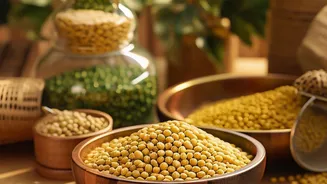
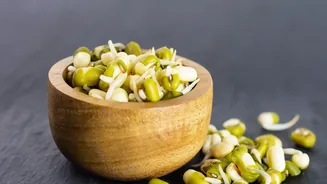
Lentils, or dals, are the backbone of Indian cuisine and an incredibly affordable source of protein. While toor dal is a staple, rotating a variety can boost your intake significantly. Urad dal, for instance, leads the pack with about 25 grams of protein per
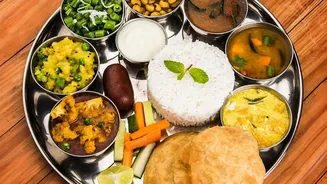
100 grams (dry). Moong and masoor dals are close behind, both offering around 24 grams. Even chana dal provides a solid 21 grams. A single cup of cooked dal can deliver between 15 to 18 grams of protein, making it a powerhouse for daily meals. The best part? Combining dal with rice or roti creates a complete protein, providing all the essential amino acids your body needs.
Chickpeas in Every Form
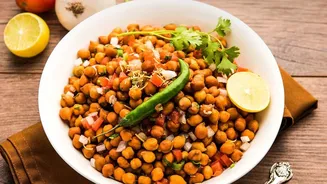
From the humble chana masala to a simple bowl of roasted chana, chickpeas are versatile and budget-friendly. A cup of cooked chickpeas contains about 15 grams of protein. But their utility doesn't end there. Ground raw chickpeas give us besan (gram flour), while roasted ground chickpeas create sattu. Besan is a fantastic base for protein-packed pancakes like chilla and contains around 23 grams of protein per 100 grams. Sattu, popular in northern India, is another protein hero with about 20 grams per 100 grams. It can be mixed into a refreshing drink or used to make parathas, offering an easily digestible protein boost.
Soya Chunks: The Unsung Hero
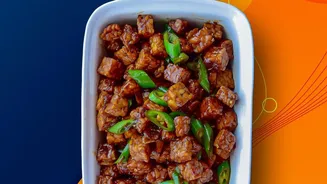
Often called 'vegetarian meat', soya chunks are arguably the most cost-effective protein source available in India. Dry soya chunks contain a staggering 52 grams of protein per 100 grams. Because they absorb water and expand during cooking, the protein concentration per serving becomes lower, but it remains a formidable option. A 100-gram serving of cooked soya chunks can provide about 16 grams of protein. Their meat-like texture makes them a perfect addition to curries, pulao, and stir-fries, effortlessly boosting the meal's protein content.
Don't Underestimate Seeds
A sprinkle of seeds can make a surprising difference to your daily protein intake. Pumpkin seeds are a standout, offering nearly 30 grams of protein per 100 grams. Sunflower seeds are also a great choice, with about 21 grams of protein per 100 grams. Even tiny sesame seeds pack a punch. They are inexpensive and can be toasted and sprinkled over salads, vegetables, or blended into chutneys. Adding just a tablespoon or two to your daily meals is an easy, low-effort way to add protein, healthy fats, and other essential minerals like magnesium and zinc.
Everyday Dairy Done Right
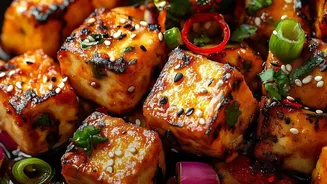
While paneer is a well-known protein source, with about 18-20 grams per 100 grams, it can be pricey. For a more economical dairy boost, look no further than homemade curd (dahi). A cup of curd provides around 9 grams of protein and is also a fantastic source of probiotics for gut health. Regular milk offers about 8 grams of protein per cup. Using these dairy staples as a base for smoothies, raita, or simply as a side dish is a cost-effective strategy to ensure you’re getting a steady supply of high-quality protein throughout the day.
The Goodness of Grains
While often viewed as carbohydrates, certain whole grains contribute significantly to protein intake. Amaranth (rajgira) and buckwheat (kuttu) are excellent examples. Amaranth is considered a complete protein and is a great alternative to rice or wheat. Millets like bajra and ragi are also good, affordable choices that add not just protein but also fiber and essential minerals to your diet. Swapping regular wheat flour with atta fortified with these grains or simply making them a part of your regular meals can enhance the nutritional profile of your diet without much effort or expense.