







Embracing the Monsoon Magic
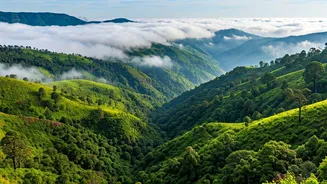
For years, the monsoon was considered the off-season for travel in India. But a growing number of travelers now see it as the main attraction. The Western Ghats, a UNESCO World Heritage site stretching across several states, transforms dramatically between
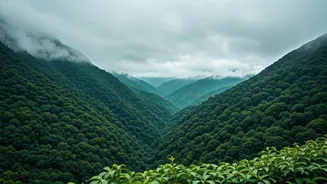
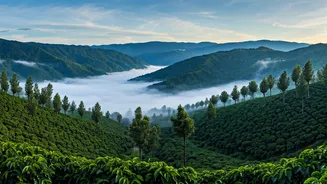
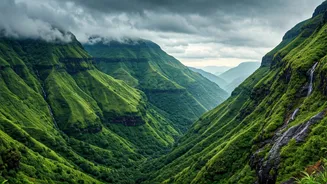
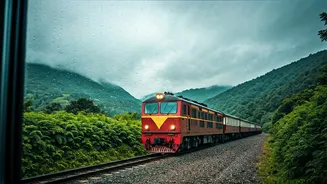
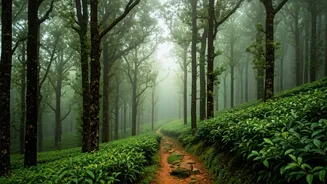
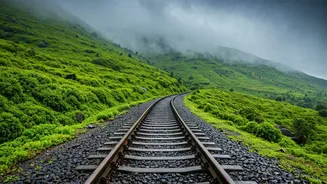
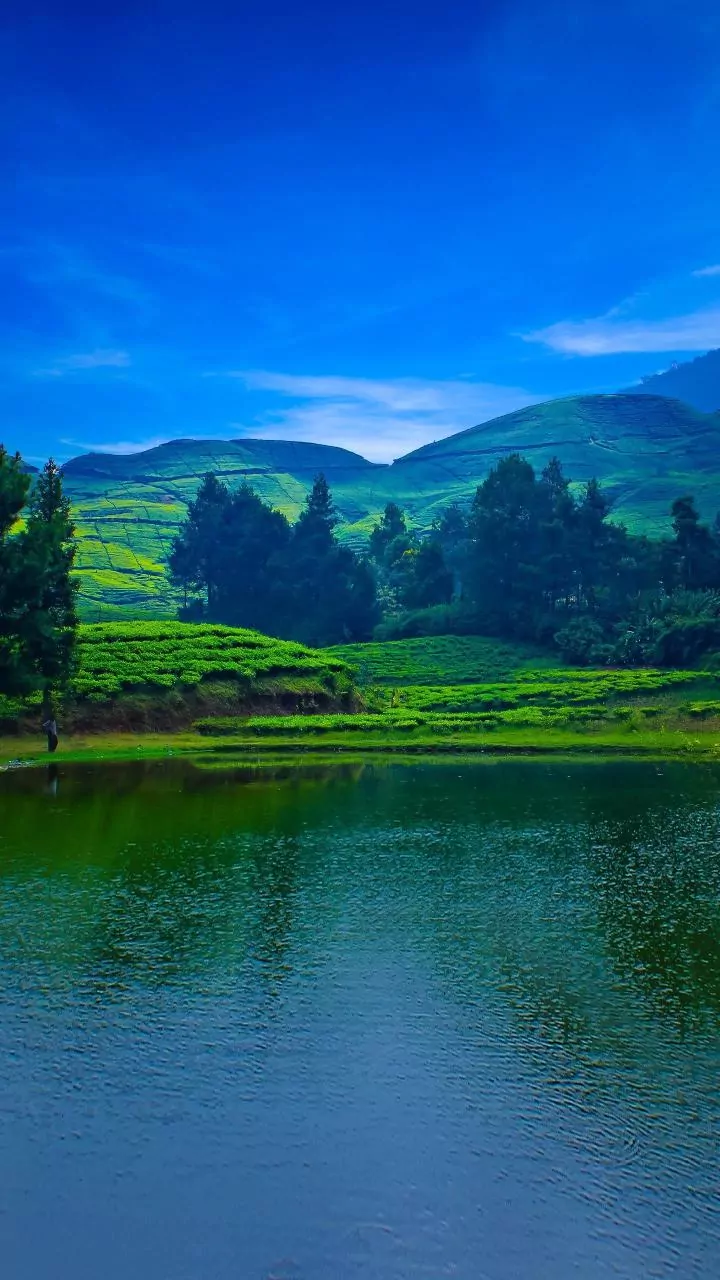
June and September. Dry, brown hills burst into a thousand shades of green, waterfalls cascade down mountainsides, and rivers swell with fresh rain. It’s this rejuvenation of nature that travelers are chasing. The mist, far from being a hindrance, is the very thing they seek. It wraps around the valleys and forests, creating a sense of mystery and tranquility that feels a world away from the clamor of urban life. Driving through fog-covered roads or waking up to a balcony that opens into the clouds is an experience that standard sunny holidays can't match.
The Appeal of Going Offbeat
This trend is not just about a change in season, but a change in mindset. While popular hill stations like Lonavala and Ooty still draw crowds, there's a clear shift towards lesser-known destinations. Weekend warriors from Mumbai, Pune, and Bengaluru are discovering quiet hamlets in areas like Coorg, Wayanad, Sakleshpur, and the Konkan coast. The goal is to escape the crowds, not join them. These offbeat locations offer peace and an opportunity to connect with nature without the commercial hustle. Travelers are choosing serene homestays, eco-lodges, and plantation bungalows over large, impersonal hotels. These smaller, often family-run establishments provide a more authentic glimpse into local life, culture, and cuisine, turning a simple weekend break into a richer, more immersive experience.
A Sanctuary for Slow Travel
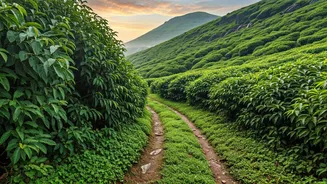
The rise of misty Ghats getaways is deeply connected to the philosophies of slow travel and digital detoxing. Hectic city schedules and constant digital connectivity have left many feeling burnt out. These offbeat stays provide the perfect antidote. With spotty Wi-Fi often being part of the charm, visitors are encouraged to disconnect from their screens and reconnect with their surroundings, their companions, and themselves. The agenda is refreshingly simple: read a book by a window overlooking a rain-lashed valley, go for a walk through a coffee plantation, or simply sit and listen to the sound of the rain. It's about trading a packed itinerary for unplanned moments and rediscovering the joy of doing very little. This intentional slowing down helps reduce stress and improve mental clarity, making the weekend feel genuinely restorative.
Unique Stays and Conscious Choices
The accommodation itself has become a key part of the attraction. The Western Ghats are now home to an incredible variety of eco-conscious and boutique properties. These include treehouses perched 40 feet above the forest floor, rustic farmstays offering hands-on agricultural experiences, and luxurious eco-resorts built with sustainable materials. Many of these stays are designed to have a minimal environmental impact, using practices like rainwater harvesting, solar power, and serving organic, farm-to-table meals. By choosing these properties, travelers are not only getting a unique experience but are also supporting local communities and sustainable tourism. This aligns with a growing desire among modern travelers to make more mindful and responsible choices, ensuring their getaway contributes positively to the destination.