




A Welcome, if Delayed, Arrival
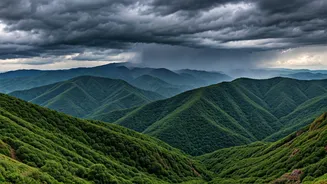
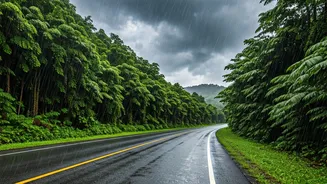
The India Meteorological Department (IMD) has confirmed that conditions have become favorable for the monsoon's advance across the state. [8, 15] After a delay of nearly a week from its normal onset date of around June 20th, the monsoon is expected to
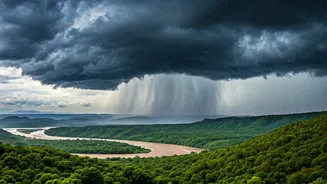
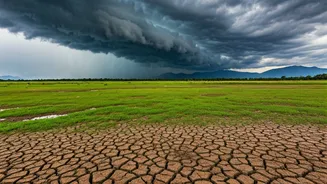
fully establish itself around June 29th, entering through the Kumaon region. [6, 9, 11] Pre-monsoon showers had already begun to dot the state, but the IMD has forecast widespread and intensified rainfall from the end of June into early July, officially heralding the start of the rainy season. [8, 11] This arrival has been eagerly anticipated, following a period where rainfall was significantly below normal. An extended range forecast from the IMD noted a 69% rainfall deficit in the week leading up to June 24th, highlighting the dry conditions that preceded the downpours. [18]
Relief From Fire and Heat
The relief brought by the rains is not just emotional; it is a tangible defense against two major threats that plagued the state in the preceding months: scorching heatwaves and devastating forest fires. [19] The pre-monsoon period was marked by abnormally high temperatures in the plains and hills, with a severe lack of precipitation creating tinder-dry conditions in the state's vast forests. [21] Earlier in the year, reports highlighted an unusually dry winter with a 90% rainfall deficit in February, which exacerbated the fuel load in forests and led to an early and worrying start to the fire season. [20, 22] Numerous fires were reported across the Garhwal and Almora districts, charring large tracts of land. [17, 22] The arrival of consistent, soaking rain is the most effective natural firefighter, dousing existing flames and significantly reducing the risk of new ones igniting.
A Lifeline for Farmers and Water Sources
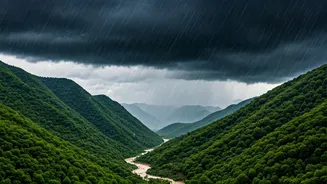
Beyond the forests, the monsoon is the lifeblood of Uttarakhand's agriculture. With a significant portion of the state's farming being rain-fed, the timely arrival of the monsoon is critical for the sowing and success of key crops. The delayed onset had raised concerns among the farming community, as prolonged dry spells can severely impact yields. [6] The rains will now begin the vital process of replenishing the region's water sources, including rivers, streams, and natural springs. This is crucial not only for irrigation but also for ensuring drinking water availability throughout the state, particularly in remote, high-altitude areas that depend on these sources. The replenishment of groundwater is another long-term benefit that underscores the season's importance to the ecological and economic health of the region.
Caution Amidst the Celebration
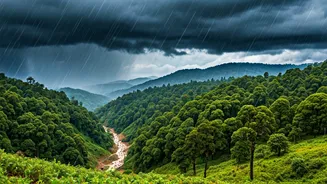
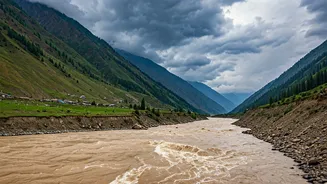
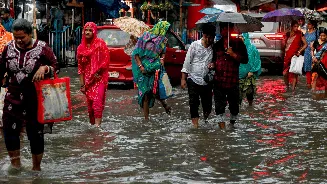
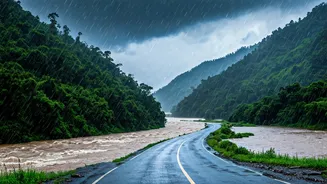
While the monsoon's arrival is a cause for celebration, it also brings a familiar sense of caution. The same rains that bring life to the valleys can pose a significant threat in the fragile Himalayan terrain. The risk of landslides, flash floods, and road blockages increases dramatically during this season. [7] Recognizing this, state authorities have been actively preparing for these challenges. Chief Minister Pushkar Singh Dhami has chaired high-level meetings to review monsoon preparedness, emphasizing that it is a mission of public safety. [10] Disaster response teams, including the NDRF and SDRF, have been deployed to high-risk zones, particularly along the busy Char Dham Yatra pilgrimage routes. [4, 5] Authorities have been instructed to identify vulnerable areas, stockpile essential supplies in remote regions, and ensure machinery is pre-deployed to clear any blockades, adopting a comprehensive approach to mitigate potential disasters. [10, 14]