





The End of All-or-Nothing Eating
For generations, festive eating has been synonymous with abundance—often leading to overindulgence followed by restrictive dieting. However, a growing number of Indians are rejecting this 'feast or famine' cycle. The new philosophy isn't about deprivation
but about integration. Nutrition experts note that people are increasingly choosing moderation and portion control over complete avoidance of their favourite foods. The goal is to enjoy the celebrations without compromising long-term health, moving towards a sustainable relationship with food where no dish is entirely off-limits. This shift is driven by a greater awareness of wellness and the desire to feel energetic and light, not sluggish, during a season of celebration.
Mindful Indulgence is Key
The core of this new approach is mindful eating. This means paying full attention to your food—savouring each bite, its aroma, and texture—which helps you recognise your body's natural fullness signals. Experts advise eating slowly and without distractions. This simple practice can prevent overeating and increases satisfaction from smaller amounts of food. Another popular strategy is to have a small, healthy snack like nuts or a piece of fruit before heading to a party. Arriving partially full makes it easier to make conscious choices and resist the urge to sample every dish on the table, allowing you to focus on the treats you truly love.
Smarter Swaps for Traditional Favourites
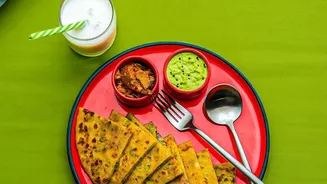
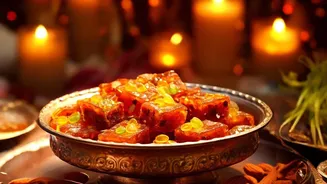
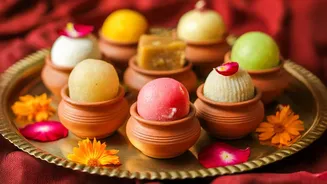
Tradition isn't being discarded; it's being updated. Many are finding creative ways to make classic festive dishes healthier without losing their authentic taste. Baking or air-frying snacks like samosas and gujiyas instead of deep-frying them is a popular change that significantly cuts down on oil. In sweets, refined sugar is being replaced with natural alternatives like jaggery, dates, or honey. There's also a move towards using more nutritious grains. For instance, laddoos are being made with millets or oats, and whole wheat flour is replacing refined flour in various preparations. These small tweaks enhance the nutritional value of dishes while preserving their celebratory soul.
The Balanced Plate Method
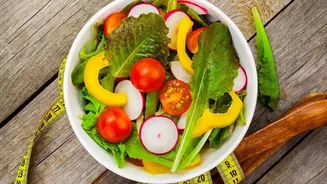
A practical tool gaining traction is the 'plate method'. This strategy helps in building a balanced meal even at a festive gathering. The rule is simple: fill half your plate with vegetables or salad, a quarter with a protein source like dal or paneer, and the final quarter with carbohydrates such as rice or roti. This ensures you get a good dose of fibre and essential nutrients, which helps control blood sugar spikes and keeps you feeling full. Rather than starting with rich curries or fried foods, beginning with salads and proteins can prevent you from overindulging in higher-calorie items later in the meal.
Beyond the Food: Hydration and Movement
This holistic approach to festive wellness extends beyond the dining table. Staying hydrated is crucial, as the body can sometimes mistake thirst for hunger. Sipping on water, coconut water, or herbal teas throughout the day helps manage cravings and aids digestion. Equally important is incorporating light physical activity. Festivals can be busy, but making time for a daily walk or some simple stretches can make a huge difference. Movement not only helps balance extra calorie intake but also boosts mood and energy levels, ensuring you can enjoy the festivities to the fullest.