




Visa-Free Entry: The Good News for Indian Travellers
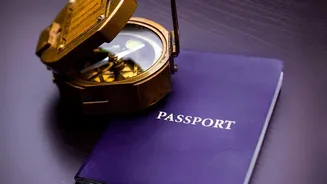
One of the biggest hurdles in travel planning is often the visa process, but for Indian citizens, Malaysia has made it incredibly simple. As of 2026, Indian passport holders can enter Malaysia for up to 30 days without a visa for tourism purposes. This
visa-free facility is extended until December 31, 2026. While there's no visa application, you must complete the Malaysia Digital Arrival Card (MDAC) online within three days before you arrive. At immigration, be prepared to show your valid passport (with at least six months of validity), a confirmed return flight ticket, and proof of accommodation.
Budgeting: How Much Ringgit Do You Need?
Malaysia is known for being budget-friendly. A shoestring backpacker can comfortably manage on a daily budget of about 100-160 Malaysian Ringgit (MYR), which is roughly ₹1,800–₹2,900. This budget covers a dorm bed, street food meals, and local transport. For a more comfortable experience with the occasional private room or restaurant meal, aiming for around 200 MYR (approx. ₹3,600) per day is a safe bet. Accommodation will be your biggest expense, with hostel dorm beds available for as little as 25-60 MYR (₹450–₹1,100). Food is incredibly cheap if you stick to local hawker stalls, where a delicious and filling meal like Nasi Lemak or Char Kway Teow can cost between 5-15 MYR (₹90–₹270).
Getting Around on a Budget
Malaysia's public transport system is both efficient and inexpensive, making it a backpacker's dream. For long-distance travel between cities like Kuala Lumpur, Penang, and Melaka, long-distance buses are the most economical option. A five-hour bus journey might cost between 35-45 MYR (₹630–₹810). The train network, operated by KTM, is another comfortable and scenic way to travel, especially through the country's interior. Within cities, especially Kuala Lumpur, the network of LRT, MRT, and monorail trains is excellent for getting around. For shorter distances or when public transport isn't available, the ride-hailing app Grab is widely used and affordable.
A Classic Backpacker Itinerary
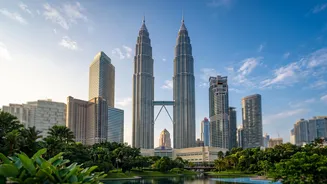
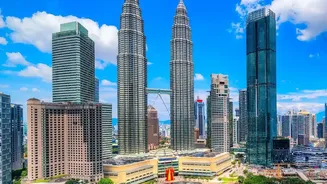
For a two-week trip, a popular and well-trodden route covers the highlights of Peninsular Malaysia. Start in the bustling capital, Kuala Lumpur (KL), to see the iconic Petronas Towers and explore the Batu Caves. From KL, head up to the cool air of the Cameron Highlands to wander through tea plantations. Next, travel to the island of Penang, a UNESCO World Heritage site famous for its colonial architecture in George Town and its legendary street food. Finally, you can unwind on the beaches of Langkawi, a duty-free island perfect for some relaxation before you head home. This route offers a fantastic mix of city life, nature, culture, and beach time.
Accommodation: Hostels and Guesthouses
Malaysia has a thriving backpacker scene with plenty of high-quality, low-cost accommodation. In major hubs like Kuala Lumpur, Penang, and Langkawi, you'll find numerous hostels offering dorm beds, common areas to meet other travellers, and sometimes even free breakfast. Popular areas for backpackers in Kuala Lumpur include Chinatown and Bukit Bintang, where you can find dorms for around 13-19 USD per night. Guesthouses are another fantastic option, offering private rooms at a budget price, often starting from around 15-25 USD. Booking in advance is recommended, especially during peak seasons.
Feasting at Hawker Stalls
You can't talk about Malaysia without mentioning its food. The country is a melting pot of Malay, Chinese, and Indian influences, and this is most evident in its cuisine. For backpackers, the heart of the culinary experience lies in the hawker centres and street-side stalls. Here, you can sample a huge variety of dishes for just a few ringgit. Don't miss out on classics like Nasi Lemak (coconut rice with sambal), Char Kway Teow (stir-fried rice noodles), Laksa (spicy noodle soup), and Roti Canai (a flaky flatbread often served with curry), which feels both familiar and new to the Indian palate. Eating at these stalls is not just about saving money; it's about experiencing the authentic, vibrant culture of Malaysia.