



The New Wave of Wellness Brews
Across India's trendiest cafes and wellness-focused eateries, a quiet revolution is brewing. Menus are making space for a new category of drinks that sit somewhere between a comforting ritual and a functional health supplement. These are not your standard
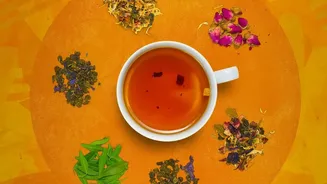
sugary sodas or even the now-commonplace artisanal coffees. Instead, the focus is on botanical blends designed to soothe, centre, and calm. This movement towards 'mindful drinking' has found its poster child in a unique fusion: the earthy, sacred notes of Indian Tulsi paired with the refined, complex character of single-estate teas. It’s a combination that speaks to a growing consumer desire for products that are not only delicious but also beneficial, rooted in tradition, and transparent about their origins.
Tulsi: The Queen of Herbs Reimagined
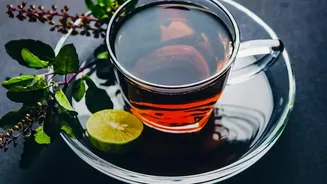
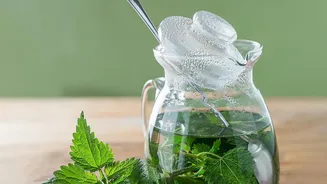
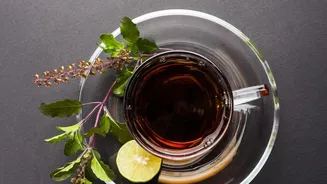
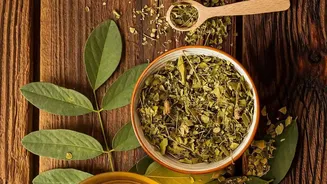
For generations of Indians, Tulsi, or Holy Basil, has been a household staple. Found in courtyards across the country, it's revered for its spiritual significance and its prominent place in Ayurvedic medicine. Traditionally used to combat coughs, colds, and stress, Tulsi is now being rediscovered by a new generation. It's celebrated today as a potent adaptogen—a natural substance that helps the body cope with physical and mental stress. As modern life gets more hectic, the demand for natural stress-busters has soared. Tulsi's adaptogenic properties help regulate cortisol levels (the body's primary stress hormone), promoting a sense of calm and mental clarity without the jitters associated with caffeine. This makes it the perfect hero ingredient for beverages designed for relaxation.
What Makes Single-Estate Tea So Special?
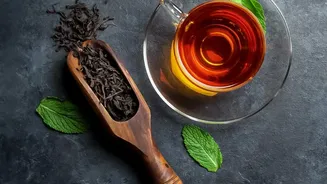
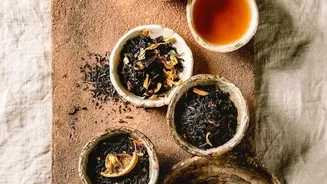
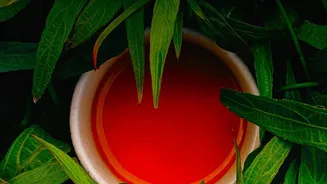
The other half of this power couple is the single-estate tea. Unlike mass-market teas, which are blended from various gardens to create a uniform taste, single-estate tea comes from one specific garden or estate. Think of it like single-malt whisky or single-origin wine. The flavour is a direct reflection of its 'terroir'—the unique combination of soil, climate, and altitude of where it was grown. This results in a cup that has a distinct character and a story to tell. By using leaves from a specific estate in Darjeeling, Assam, or the Nilgiris, blenders can highlight nuanced flavours—be it floral, muscatel, or malty—that would be lost in a generic blend. This focus on origin and quality adds a layer of luxury and connoisseurship to the drinking experience.
A Symphony of Flavour and Function
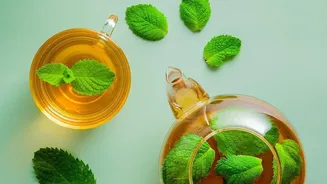
The magic happens when these two elements come together. The pairing of Tulsi with single-estate tea is a masterclass in balance, both in terms of flavour and function. The aromatic, slightly peppery, and clove-like notes of Tulsi varieties like Rama and Krishna can beautifully complement the delicate, floral notes of a first-flush Darjeeling or the robust body of an Assam tea. Blenders are creating infusions that are both complex and comforting. Functionally, the combination is a powerhouse. You get the stress-relieving, immune-supporting benefits of Tulsi alongside the antioxidants and gentle alertness from the tea. For consumers looking to cut back on alcohol or simply find healthier ways to unwind, these beverages offer a sophisticated, flavourful, and genuinely beneficial alternative.
Crafting the Modern Chill Experience
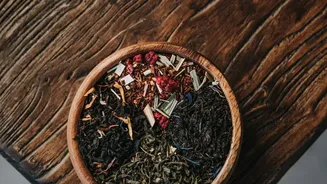
This trend is being driven by a new crop of artisanal tea brands and forward-thinking cafes across Indian metros. They are moving beyond the simple 'Tulsi green tea' to create more thoughtful and layered blends. You might find a 'Vana Tulsi and Silver Needle White Tea' designed for gentle detox, or a 'Krishna Tulsi with Second Flush Assam' for a calming afternoon pick-me-up. These offerings are often presented as part of a larger 'wellness' or 'chill' menu, alongside other functional foods and drinks. The experience is curated to be a ritual of self-care—a moment to pause, disconnect, and sip on something that feels both indulgent and restorative. It’s a testament to how ancient Indian wisdom, when presented in a modern, premium context, can perfectly meet the needs of today's mindful consumer.