






The Seamless Biometric Promise
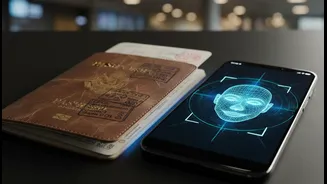
The vision sold at airports worldwide is a traveler’s dream. You arrive at the terminal and, from check-in to boarding, your face is your ticket. Systems like India's DigiYatra use facial recognition to let you breeze through entry gates, security checks,
and onto the plane without ever fumbling for an ID or a boarding pass. The technology works by linking your unique biometric data—your face—to your travel documents, creating a seamless and touchless experience. For domestic travelers in participating airports, this has been a game-changer, turning long queues into a quick, fluid process. The goal is to enhance efficiency and security, letting you focus on your trip instead of the hassles of the airport journey.
The Reality: A Patchwork of Systems
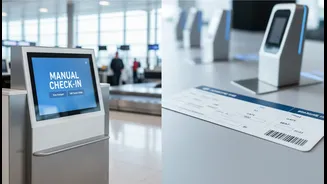
The main reason you can't ditch your documents is that the biometric revolution isn't universal. A seamless experience at a modern terminal in Delhi or Bengaluru doesn't guarantee the same at your destination. Not every airport, airline, or even terminal has adopted the same technology. This creates gaps where you fall back to the old-fashioned method: showing a physical boarding pass and ID. Furthermore, technology is not infallible. A system can go offline, a scanner can fail to read your face, or a simple power outage can bring the futuristic journey to a halt. In these moments, that physical passport or Aadhaar card is your only way forward. Officials always recommend carrying your documents as a critical backup for when the tech fails.
The Unquestionable Authority of a Passport
For international travel, the passport is king, and its reign is far from over. A passport is a globally recognized legal document, governed by international standards. It’s the one document that virtually every country in the world agrees upon as proof of identity and citizenship. A biometric database, on the other hand, is often a national or proprietary system with no authority once you cross borders. An officer in London or Dubai doesn't have access to an Indian domestic travel database. Moreover, many countries still require physical visa stamps and entry/exit marks in your passport, something a facial scan cannot replace. Until there is a single, global, and secure biometric travel standard, the passport book will remain the foundational document for international journeys.
When the System Doesn't Recognize You
Biometric systems are impressively accurate, but they are not perfect. Facial recognition technology can have higher error rates for certain demographics. A change in your appearance—new glasses, a different hairstyle, or even a tired expression after a long flight—can sometimes lead to a mismatch. One study noted a false negative rate that could affect one in 25 travelers, requiring them to undergo a manual check. In these cases, a human officer will need to verify your identity by comparing you to your passport photo. Without that physical document to fall back on, you would be stuck. The manual document serves as the ultimate, reliable fail-safe when the machine says no.
The Essential Human Element
Even with perfect technology, the human element in travel security is irreplaceable. Immigration and security officers will always retain the right to conduct random manual checks or pull passengers aside for additional questioning. A machine can verify that your face matches a document, but it cannot gauge intent or ask clarifying questions about your travel plans. Border officials are trained to look for nuances that algorithms can't detect. Your passport provides a tangible travel history and a point of reference for these crucial human interactions. They are not just a backup for technology; they are a core component of a layered and effective security process that balances efficiency with thoroughness.