






Weave: The Soul of the Fabric
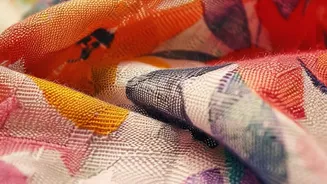
The first piece of the puzzle is the weave. This tells you how a fabric is constructed, and it’s the primary source of its identity and value. Terms like 'Jamdani', 'Brocade', or 'Twill' are not just design names; they are specific, time-honoured techniques.
A crucial distinction is between handloom and powerloom. Handloom fabrics are woven manually, a process that imparts a unique character and supports artisanal livelihoods. Powerloom fabrics are machine-made, faster and cheaper to produce, but lack the nuance and cultural DNA of their handmade counterparts. When an e-commerce listing omits the weave, it erases the artisan's skill. A 'Banarasi-style' polyester saree made on a powerloom is not the same as a handwoven Banarasi brocade. Demanding that listings specify the weave is the first step in honouring the craft and ensuring you are paying for genuine artistry, not a fast-fashion imitation.
Fibre: The Feel of Authenticity
Next is fibre, the raw material of the cloth. Is it cotton, pure mulberry silk, tussar silk, or a synthetic blend like polyester? This information is fundamental, yet it is often the most obscured detail in online listings. The fibre content dictates the fabric’s drape, breathability, lustre, and longevity. A 'silk blend' could contain mostly polyester, a plastic-based material that doesn’t breathe like natural silk and can feel uncomfortable against the skin. Misleading fibre descriptions are rampant. A product might be labelled 'cotton' but turn out to be a poly-cotton blend upon arrival. This is not just disappointing; it’s deceptive. For textiles like sarees, the purity of the fibre is paramount. A pure silk saree is an investment, but its value is destroyed if it's actually a synthetic imitation. Clear fibre disclosure—listing all components by percentage—is a basic consumer right that allows for informed decisions about quality, comfort, and cost.
Origin: A Legacy in Every Location
Finally, the place of origin connects the textile to its cultural roots. A Kanjeevaram saree is not just a type of silk; it's a saree woven in Kanchipuram, Tamil Nadu, using specific techniques passed down through generations. This is where Geographical Indication (GI) tags become essential. A GI tag is a government-backed certification that guarantees a product was made in a specific region using traditional methods. It protects iconic weaves like the Paithani from Maharashtra or the Patola from Gujarat from being copied and devalued. When a listing vaguely says 'Kalamkari print' without naming the origin, it might be a digital print from anywhere, not the hand-painted craft from Andhra Pradesh. Insisting on the place of origin—and looking for GI tag certification—does three things: it verifies authenticity for the buyer, protects the livelihood of weaver communities in that region, and helps preserve a priceless piece of India’s cultural heritage from being diluted by fakes.
Why This Triple Guarantee Matters
In the fast-paced world of e-commerce, it's easy to dismiss these details as trivial. They are not. The lack of transparency disproportionately hurts the millions of weavers, printers, and dyers who are the custodians of these crafts. When machine-made imitations are sold with vague, romanticised descriptions, they directly undercut the value of authentic, labour-intensive handwork, where middlemen can already claim a majority of the earnings. For the consumer, this transparency is about getting what you pay for and avoiding the disappointment of receiving a cheap knock-off. For the artisans, it is a matter of survival. The number of handloom weavers has been in decline, partly due to competition from cheaper powerloom products and a lack of direct market access. Clear, honest digital listings empower buyers to make conscious choices, ensuring that their money supports genuine craftsmanship and helps sustain these vital traditions for generations to come.