





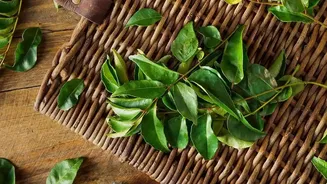

In an age of climate uncertainty and fragile food chains, a powerful solution is hiding in plain sight in the forests and fields of Central India. These are the indigenous wild vegetables, a forgotten treasure of resilience and nutrition.
The Forgotten Pantry of the Forest
For generations,
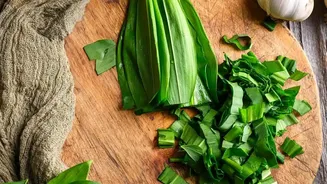
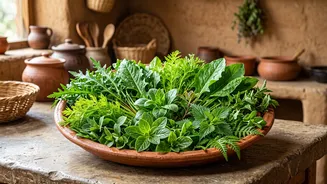
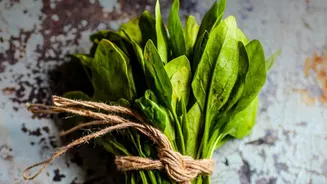
Adivasi communities across Central India—in states like Madhya Pradesh, Chhattisgarh, and Jharkhand—have relied on a vast, uncultivated pantry. These are not commercially farmed crops but wild edible plants (WEPs) that grow naturally in forests, grasslands, and even alongside traditional farms. These include a huge variety of leafy greens, tubers, flowers, mushrooms, and fruits that are deeply woven into the cultural and culinary fabric of communities like the Baiga and Gond. Far from being mere 'famine foods', these plants are a primary source of sustenance, medicine, and income, with traditional knowledge passed down orally through generations. A single biosphere reserve in the region has been found to host over 170 different wild edible plants, including dozens of vegetables, fruits, and mushrooms.
Nature’s Blueprint for Climate Resilience
As modern agriculture grapples with erratic rainfall, extreme heat, and new pests, these indigenous vegetables stand out for their inherent resilience. Having adapted to local ecosystems over centuries, many are naturally drought-tolerant, pest-resistant, and can thrive in poor soil without the need for chemical fertilisers or pesticides. For instance, many tubers and millets traditionally grown by communities like the Kondhs are famously climate-smart, requiring less water than commercial staples. This natural hardiness makes them a vital resource for building stable and sustainable local food systems that are less vulnerable to the shocks of climate change.
A Nutritional Powerhouse
While often overlooked, many wild vegetables pack a powerful nutritional punch, sometimes exceeding that of their commercially cultivated counterparts. Studies show that while they may not replace staple grains for energy, they are exceptionally rich in essential micronutrients. Foraged greens, fruits, and tubers can be loaded with vitamins like ascorbic acid (Vitamin C), thiamine, as well as crucial minerals like calcium and iron. Regular consumption helps combat 'hidden hunger' or micronutrient deficiencies, which can persist even when people have enough calories to eat. In some tribal communities, these wild edibles have been found to supplement up to 73% of the daily requirement for ascorbic acid.
Challenges on the Path to Revival
Despite their immense potential, these vital food resources face serious threats. The erosion of traditional ecological knowledge is a major concern, as younger generations become disconnected from their food heritage amidst a push towards modern, urban diets. Simultaneously, changing land_use patterns, deforestation, and the aggressive promotion of cash crops and chemical_intensive farming are shrinking the habitats where these plants grow. This creates a paradox where communities living in biodiverse regions can suffer from malnutrition because their access to traditional, nutrient_dense foods is diminishing.
From the Wild to the Wider World
Recognising their value, researchers, NGOs, and community leaders are now working to document, conserve, and promote these indigenous vegetables. The goal is not just preservation but revitalization. This involves creating market access for tribal communities to sell surplus produce, which can provide a significant income boost. There is also a push to integrate this traditional knowledge with modern science, validating the nutritional benefits and exploring wider cultivation. By championing these 'opportunity crops', India can not only support the livelihoods of its most vulnerable communities but also diversify its food basket, making the entire nation more resilient.