






Why Airflow is Your First Defence
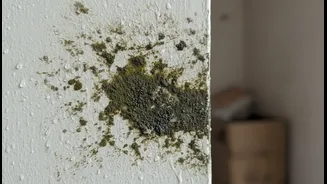
During the rainy season, humidity levels skyrocket. When this moisture-laden air gets trapped indoors with no escape, it creates the perfect breeding ground for mould, mildew, and dust mites. This isn't just about a musty smell; poor ventilation can lead
to a host of problems. It can trigger allergies, asthma, and other respiratory issues. Furthermore, trapped moisture can cause long-term structural damage to your home, including peeling paint, warped wooden furniture, and even weakened walls. Simply put, a home that can't breathe is not a healthy home. Prioritising airflow tackles the root cause of dampness, whereas cosmetic fixes only cover up the symptoms.
Mastering Cross-Ventilation
The most effective and cheapest way to improve airflow is through cross-ventilation. This simple technique involves opening windows or doors on opposite sides of a room to create a natural current that pushes stale, humid air out and pulls fresh air in. Even during the monsoon, there are often dry spells, typically in the morning or late afternoon. Seize these opportunities to open up your home for at least 15-30 minutes. If you have windows on only one side, you can still encourage air movement by using a fan. Place a fan facing out of one window to push old air out, which will naturally draw fresher air in through another open window.
Use Fans and Exhausts Wisely
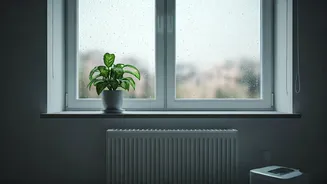
Mechanical aids are your best friend during constant rain. Use exhaust fans in kitchens and bathrooms not just during, but also for a while after cooking or showering to expel moist air directly outside. Ceiling and pedestal fans are also crucial; they don't cool the air, but they keep it moving, which helps prevent moisture from settling on surfaces and discourages mould growth. Some air conditioners have a 'Dry Mode' specifically designed to remove humidity from the air without over-cooling the room, making it a valuable tool during the monsoon.
The Aesthetics Trap: Don't Just Cover It Up
A common mistake is to react to the symptoms of dampness with aesthetic fixes. Painting over a damp patch on the wall without addressing the underlying moisture issue is a temporary solution at best; the damp will eventually seep through again. Using strong air fresheners or scented candles only masks musty odours, it doesn't eliminate the mould and mildew causing them. Similarly, rolling up a damp-smelling carpet and putting it away only postpones the problem. The focus should always be on reducing the moisture that allows these problems to exist in the first place.
Natural Ways to Absorb Excess Moisture
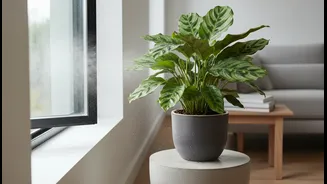
Beyond ventilation, you can use several natural, low-cost materials to help manage humidity in enclosed spaces like wardrobes and cabinets. Place bowls of rock salt, baking soda, or activated charcoal in damp corners to soak up excess moisture. These are highly absorbent and can be replaced easily. Small silica gel packets, often found in new shoes or electronics, are perfect for protecting clothes and important documents. Certain houseplants like peace lilies and snake plants are also known to absorb some moisture from the air, while adding a touch of green to your home.