


What Are Heat Control Window Films?
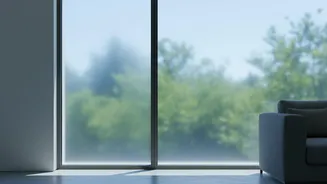
At its core, a heat control window film is a thin, multi-layered sheet of polyester applied to glass surfaces to manage the sun's energy. Unlike simple tints that just darken a room, modern films are engineered to be spectrally selective. This means they
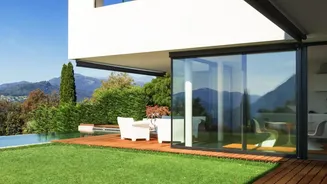
can distinguish between different types of solar energy: the visible light we want, the harmful ultraviolet (UV) rays we don’t, and the invisible infrared (IR) radiation that is responsible for most of the heat we feel from the sun. By blocking a significant portion of UV and IR rays, these films can reduce the amount of heat entering a building without sacrificing natural light. Think of it as an invisible shield that keeps your home bright but not boiling.
The Science of 'Smart' Passive Cooling
Thermo-responsive films take this a step further by reacting to their environment. These are a type of "smart" material that changes its properties in response to temperature, a process known as thermochromism. When the film on the window heats up from direct sunlight, its molecular structure shifts, allowing it to reflect or absorb more infrared heat. As the temperature drops, it returns to its more transparent state. This happens automatically, with no wires, sensors, or power required. Some of the most promising research involves thermochromic hydrogels and materials like vanadium dioxide, which are highly effective at regulating solar radiation based on ambient temperature. This passive, self-regulating ability is what makes them so efficient.
How Much Heat Can They Block?
The effectiveness of these films is significant. High-quality solar control films can reject up to 86% of the sun's total solar energy and reduce heat gain through windows by as much as 70%. This dramatically lessens the workload on your air conditioning system, which doesn't have to run as often or as hard to maintain a comfortable indoor temperature. By reducing the strain on cooling systems, homeowners can see a substantial drop in energy consumption. Some reports indicate that buildings retrofitted with these films have cut their cooling costs by up to 30%. The result is a more consistent temperature throughout your home, eliminating those frustrating 'hot spots' near sun-drenched windows.
Beyond Summer: Year-Round Benefits
While the primary benefit is rejecting summer heat, many advanced films also offer year-round advantages. So-called Low-Emissivity (Low-E) films are designed to provide insulation in both hot and cold conditions. During the summer, they reflect the sun's heat outward. In the winter, they work in reverse, reflecting your home’s interior heat back into the room instead of letting it escape through the glass. This helps reduce cold spots near windows and can lower your heating costs. Furthermore, by blocking up to 99% of UV radiation, these films protect your furniture, floors, and artwork from fading over time, all while reducing glare on screens.
Installation and Other Considerations
Most window films are designed for professional installation to ensure a bubble-free application and long-term performance. The films are applied directly to the interior or exterior surface of the existing glass, making it a cost-effective retrofit solution compared to full window replacement. While costs vary based on the type of film and the size of your windows, the investment can often be recovered in just a few years through energy savings. When choosing a film, consider your primary goal. Spectrally selective films are great for maintaining clear views, while reflective films can offer added daytime privacy. Some reflective films, however, may interfere with mobile phone signals, so it's a factor to consider.