

A Delicious Collision of Worlds
At its heart, Indian fusion baking is a creative blend of traditional Indian sweets (mithai) and classic Western-style desserts. Imagine the familiar comfort of a brownie infused with the warm, aromatic notes of cardamom, or a classic French macaron flavored
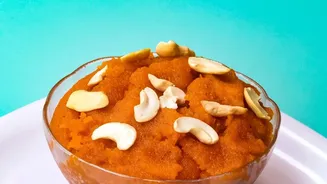
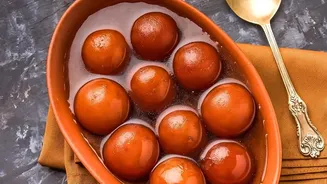
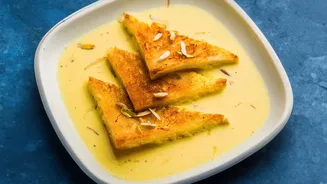
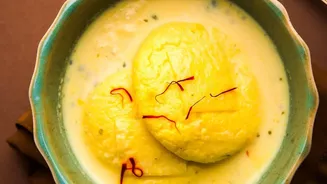
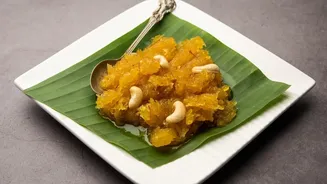
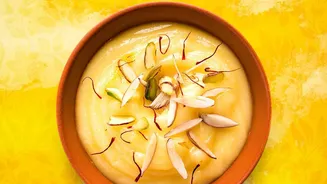
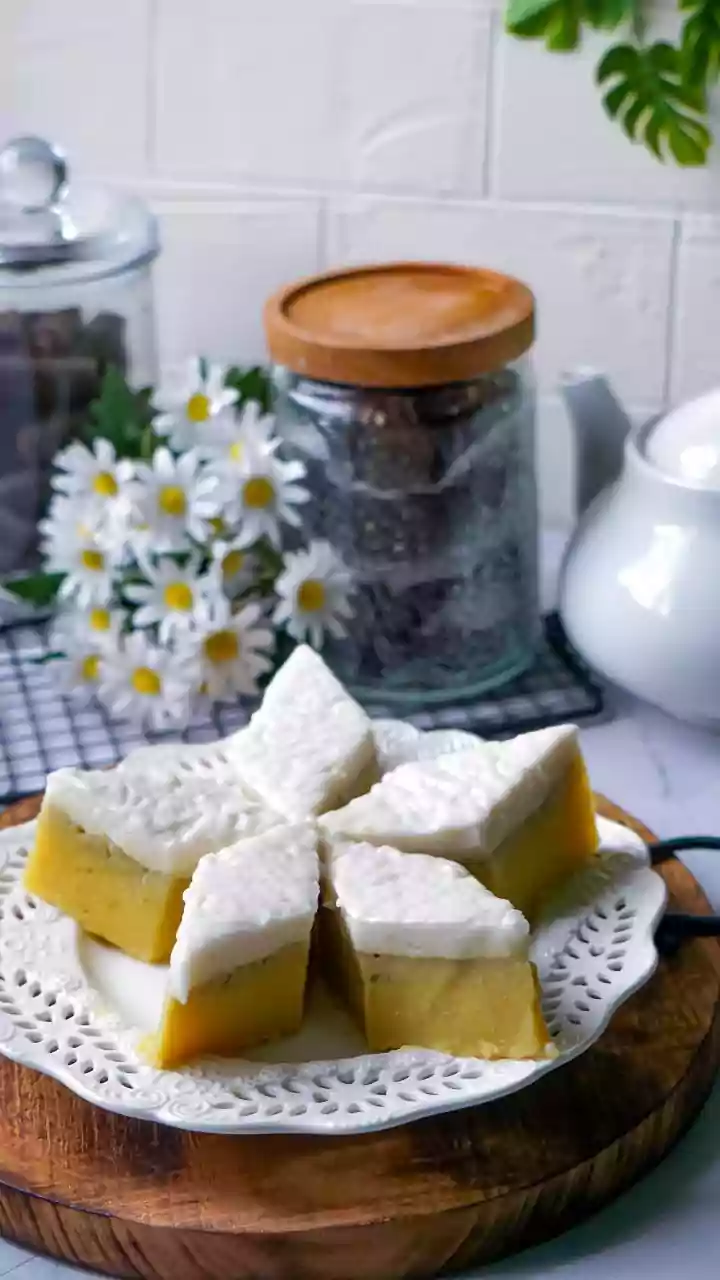
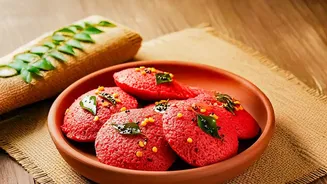
with saffron and pistachio. This trend marries the rich, nuanced spices and ingredients of the subcontinent with the techniques and forms of global baking, resulting in creations that are both novel and deeply nostalgic. Popular examples that have gone viral online include Gulab Jamun Cheesecake, Rasmalai Tiramisu, Motichoor Rabri Parfaits, and Chai Crème Brûlée. These desserts aren't about replacing the originals but remixing them into something exciting and new.
The Rise of the Instagram-Worthy Dessert
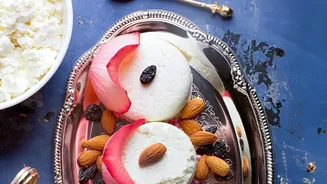
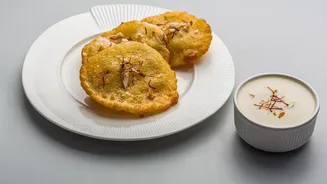
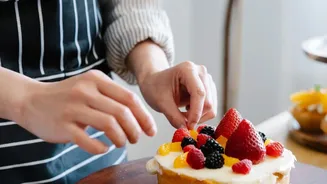
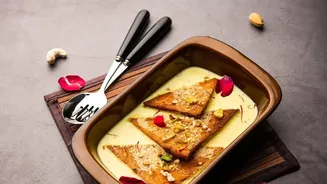
Social media, particularly visually-driven platforms like Instagram, has been the perfect launchpad for this trend. The vibrant colors of saffron, the glossy sheen of a jalebi, and the delicate garnish of rose petals make these desserts incredibly photogenic. Home bakers and professional pastry chefs alike have turned their kitchens into content studios, sharing mesmerizing videos of their creative processes. This digital visibility has made baking more accessible and aspirational, allowing a new generation to connect with traditional flavors in a modern format. While classic mithai is beloved, its presentation can be less suited to the visual-first nature of social media, a gap that fusion desserts fill perfectly.
A Taste of Home, A Bite of Modernity
So, why is this trend so popular right now? For many, especially within the Indian diaspora, it's a delicious expression of a dual identity. These desserts offer a taste of nostalgia and a connection to cultural roots, while simultaneously feeling contemporary and global. They reflect the reality of a generation that might have sushi for lunch and rajma chawal for dinner. This blend of the familiar and the exotic creates a unique experience that resonates with a modern palate. It allows people to celebrate their heritage in a way that feels fresh and personal, bridging the gap between tradition and a globalized world.
From Home Kitchens to Culinary Stardom
The fusion baking movement isn't just happening in high-end restaurants; it's being championed by a wave of talented home bakers and social media influencers. Creators like Pooja Dhingra, who popularized macarons in India, and Shivesh Bhatia have built massive online communities around their accessible yet inventive recipes. These bakers have transformed baking from a niche hobby into one of India's most engaging digital content genres. By sharing their unique twists on classic dishes, they have inspired millions to experiment in their own kitchens and have become trendsetters in the evolving landscape of Indian food.
An Enduring Evolution in Flavor
While food trends can be fleeting, Indian fusion baking shows signs of being a lasting evolution in the country's culinary story. The history of Indian sweets is one of constant change, absorbing influences from Mughal and British culinary traditions over centuries. The current fusion movement is simply the next chapter, preserving the soul of Indian sweets while expanding their reach. It's a cultural conversation on a plate, where heritage meets international techniques. By offering modern interpretations that preserve authentic taste, this trend ensures that the beloved flavors of Indian mithai will continue to evolve and delight for generations to come.