





Prepare Your Vehicle for Wet Roads
Before you even think about starting a journey, your vehicle needs a thorough check-up. Roads become treacherous during the monsoon, and vehicle maintenance is non-negotiable. Start with your tyres; ensure they have adequate tread depth, as worn-out tyres can
easily lead to skidding or hydroplaning. Your brakes are your next critical checkpoint, as wet conditions increase braking distance. Have them inspected for proper function. Equally important are your wiper blades. Summer heat can degrade the rubber, causing them to smear rather than clear your windscreen. Replace them if they are not cleaning effectively. Finally, check all your lights—headlights, tail lights, and indicators. In heavy downpours, visibility drops significantly, and using low-beam headlights makes you visible to others without blinding oncoming traffic.
Driving and Riding Safely in the Rain
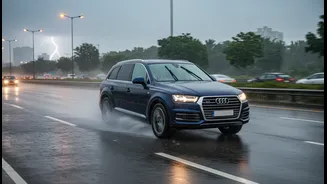
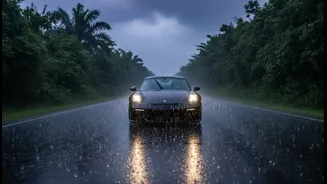
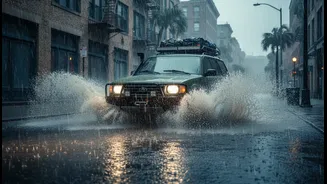
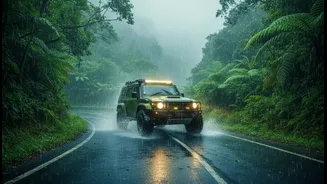
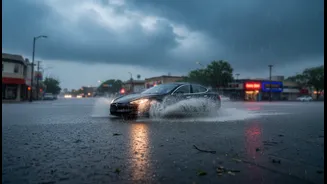
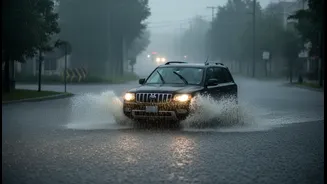
Once on the road, adjust your driving style for the conditions. The most important rule is to reduce your speed and increase the following distance between you and the vehicle ahead. The standard two-second gap should be doubled to at least four seconds. Avoid sudden acceleration, sharp turns, and hard braking, as these actions can cause a loss of control on slippery surfaces. Be extremely cautious when approaching waterlogged areas. It's nearly impossible to judge the depth of standing water, which could conceal deep potholes or open drains. A safe rule of thumb is to avoid driving through any water that appears deeper than the bottom of your car's bumper. If you must cross a shallow patch, do so slowly and steadily in a low gear to prevent water from entering the exhaust pipe. If your car stalls in water, do not attempt to restart the engine, as this can cause severe and permanent damage.
Pack Smart to Stay Dry and Healthy
Your packing list needs a monsoon-specific overhaul. Opt for lightweight, synthetic clothing that dries quickly, as cottons and denims can stay damp for days. A reliable raincoat, poncho, or a sturdy umbrella is essential. Pay special attention to your footwear; choose waterproof sandals with a good grip and a back strap or knee-length boots instead of flip-flops, which can be slippery and cause you to kick dirty water onto yourself. To protect your valuables, waterproof everything. Use zip-lock bags or dedicated dry bags for your phone, wallet, documents, and any other electronics. Carrying a power bank is also a wise move, as power cuts can be more frequent during the monsoon. An extra set of dry clothes in your daypack can be a lifesaver.
Guard Your Health Against Seasonal Illnesses
The rainy season brings a higher risk of infections. Water-borne diseases like cholera and typhoid, along with mosquito-borne illnesses such as dengue and malaria, are more common. Be vigilant about what you eat and drink. Avoid street food, especially items that have been left uncovered or exposed to flies. Stick to freshly prepared, hot meals from hygienic restaurants. Drink only bottled, boiled, or filtered water to avoid contamination. Carry a basic first-aid kit containing antiseptics, bandages, and medications for common ailments like colds and stomach issues. Use a strong insect repellent and wear long-sleeved clothing, particularly during the evenings, to protect yourself from mosquito bites.
Navigating Public Transport and Staying Flexible
If you're relying on public transport, be prepared for disruptions. Heavy rains can lead to waterlogged tracks and roads, causing significant delays or cancellations for trains and buses. Always check for weather alerts and transport updates before you leave. Platforms and footbridges can become extremely slippery, so wear appropriate footwear with good grip. When travelling by train, avoid standing near open doors, as sudden jerks on a wet surface can be dangerous. Above all, maintain a flexible itinerary. The monsoon is unpredictable, and having buffer days and refundable bookings can save you a lot of stress. Inform a friend or family member of your travel plans so someone knows your whereabouts.