




Cooking Unlocks Nutrients
The process of cooking does more than just make food taste better; it essentially starts the digestive process before the food even enters your body. Heat helps break down tough plant cell walls and complex structures in vegetables and grains. For example,
while a raw carrot is nutritious, cooking it increases the amount of beta-carotene your body can absorb. Similarly, cooked tomatoes provide significantly more lycopene, a powerful antioxidant, than raw ones. This pre-digestion means your gut has to work less to extract vital nutrients. Cooking also helps to neutralize or reduce anti-nutrients, such as lectins and phytic acid, which are compounds found in some raw foods like legumes and grains that can interfere with mineral absorption.
Why Your Gut Prefers Warmth
Both modern science and traditional practices like Ayurveda and Traditional Chinese Medicine (TCM) agree that warm foods are gentler on the digestive system. When you consume cold or raw foods, your body has to expend energy to heat them to your internal body temperature before digestion can efficiently begin. This can be taxing on your system. Warm foods, on the other hand, require less digestive effort. They help encourage healthy circulation to the digestive tract and relax its muscles, which can reduce symptoms like bloating and cramping and promote smoother, more regular digestion.
Nourishing Your Gut Microbiome
The trillions of microbes living in your gut play a critical role in your overall health, from immunity to mood. What you eat directly shapes this complex ecosystem. Research has shown that cooking food, especially starchy vegetables like potatoes, can alter its structure in a way that influences the gut microbiome. The cooking process can make certain fibres and starches more available to your beneficial gut bacteria. When these microbes feast on these components, they produce short-chain fatty acids (SCFAs), which are compounds that help maintain the integrity of your gut lining and reduce inflammation. By providing easily accessible fuel, cooked foods can help foster a resilient and balanced microbiome.
The Soothing Power of Soups and Stews
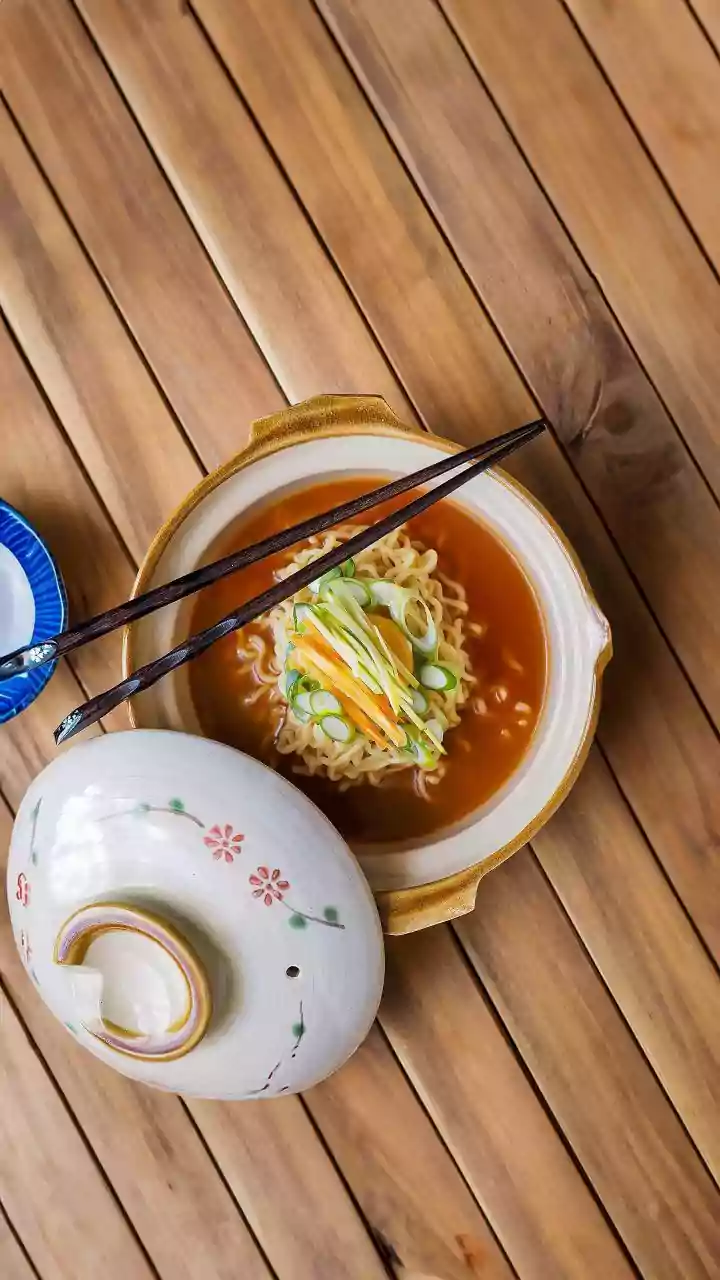
Soups and stews are a perfect embodiment of these principles. They are not only warm and cooked, but they are also hydrating, delivering water and electrolytes that keep the digestive process running smoothly. Because the nutrients from vegetables and other ingredients leach into the cooking liquid, consuming the broth ensures you get the full spectrum of benefits, including water-soluble vitamins that might otherwise be lost. Furthermore, the slow, mindful act of eating soup can help activate the body's 'rest-and-digest' state (the parasympathetic nervous system), reducing stress hormones and creating a calm internal environment that is optimal for digestion.
Traditional Wisdom Meets Modern Science
Ancient wellness systems have long championed this approach. In Ayurveda, the concept of 'Agni', or digestive fire, is central to health. It is believed that this inner fire must be strong to efficiently process food and absorb nutrients. Cold, raw foods are thought to dampen this fire, leading to sluggishness and the buildup of toxins. TCM shares a similar concept, comparing the stomach to a 'cooking pot' that functions best with warmth to transform food into vital energy, or Qi. The modern understanding of digestive enzymes, nutrient bioavailability, and the gut microbiome now provides a scientific lens through which to appreciate this age-old advice.