



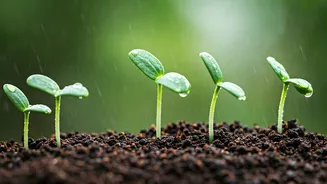


Why the Monsoon Is Perfect for Beginners
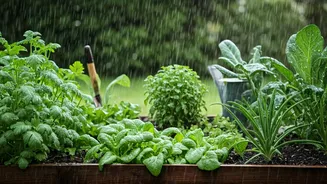
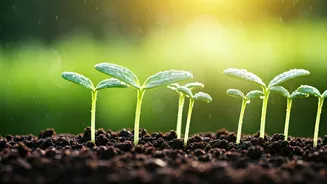
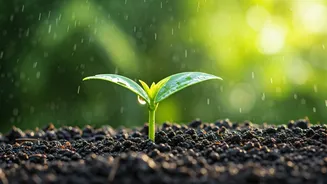
Gardening can seem intimidating, but the monsoon season stacks the deck in your favour. Think of it as nature giving you a head start. The air is thick with humidity, which helps seeds germinate and young plants thrive without drying out. The frequent,
gentle rain (mostly!) means you have a natural irrigation system, reducing the chore of daily watering. The cooler, overcast days are less harsh on delicate seedlings compared to the scorching summer sun. This combination of free water, high moisture, and moderate temperatures creates a forgiving environment, making it the ideal training ground for a novice gardener.
Your Simple Starter Kit
You don't need a professional setup to begin. Start small and simple. Here’s a basic checklist to get you going: - **Containers:** Terracotta pots, old paint buckets with holes drilled in the bottom, or grow bags. Ensure whatever you choose has drainage holes. - **Potting Mix:** A ready-made mix from a local nursery is easiest. Look for one that's light and well-draining, often a mix of soil, cocopeat (coco coir), and compost. - **Seeds or Saplings:** Choose what you love! Nurseries are full of monsoon-ready options. Starting with saplings is often easier than seeds for a first-timer. - **A Small Trowel (Khurpi):** Essential for digging and mixing soil. - **A Watering Can:** For days when the rain takes a break.
What to Plant: Your Monsoon Champions
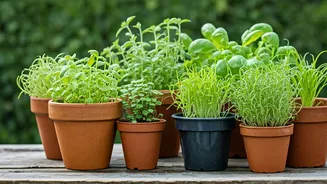
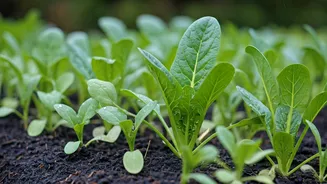
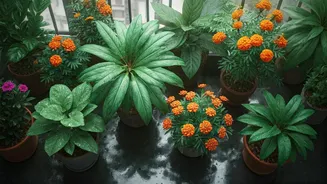
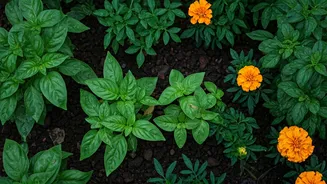
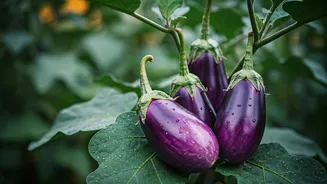
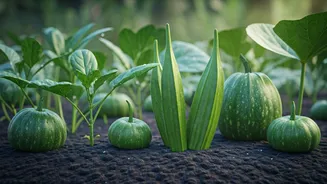
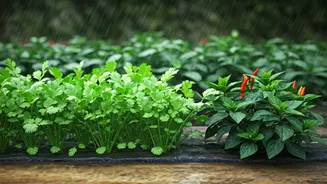
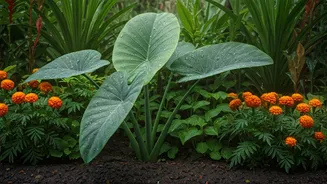
Not all plants love heavy rain, but many thrive in it. Focus on these easy-to-grow varieties that are perfect for the Indian monsoon: - **Vegetables:** Bhindi (Okra), cucumbers (Kheera), chillies, brinjal (eggplant), and various gourds like lauki (bottle gourd) and karela (bitter gourd) grow vigorously. Leafy greens like spinach (Palak) and amaranth (Chaulai) are also fantastic choices. - **Herbs:** This is the best time to start a kitchen herb garden. Mint (Pudina), coriander (Dhania), basil (Tulsi), and lemongrass are incredibly low-maintenance and love the moisture. - **Flowers:** Add a splash of colour with monsoon bloomers. Marigolds (Genda) are not only beautiful but also act as natural pest repellents. Balsam, zinnia, cosmos, and portulaca (office time) are other hardy options that will brighten up any space.
Getting the Foundation Right: Soil and Pots
The single most important factor during monsoon gardening is drainage. Plants don't like 'wet feet,' and constant water-logging can lead to root rot. To prevent this, ensure your potting mix is right. If you're making your own, a simple formula is one part garden soil, one part compost (like vermicompost), and one part cocopeat or sand. This combination provides nutrients while allowing excess water to drain away freely. Always check that your pots have at least one, preferably more, drainage holes at the bottom. You can place a few broken pot pieces over the holes before filling to prevent the soil from clogging them.
Planting and Basic Care
Once your pots and soil are ready, it's time for the fun part. If using seeds, sow them about twice as deep as their size. Don't plant them too deep, or they'll struggle to sprout. If you've bought saplings, gently remove them from their nursery bag, loosen the root ball slightly, place them in the new pot, and fill the sides with your potting mix. Water lightly. Your main job now is to observe. Check the soil moisture by sticking your finger an inch deep. If it feels dry, water it. If it's damp, leave it alone. Overwatering is the most common mistake during the monsoon.
Watching for Monsoon Troubles
With high humidity comes a higher risk of pests and fungal diseases. Keep an eye out for small insects like aphids and mealybugs on the undersides of leaves. A simple spray of neem oil solution (available at any nursery) once every 10-15 days is an excellent organic preventive measure. Also, try to position your plants where they get at least 3-4 hours of sunlight, as the overcast sky can sometimes be a challenge. Prune away any yellowing or diseased-looking leaves immediately to stop problems from spreading.