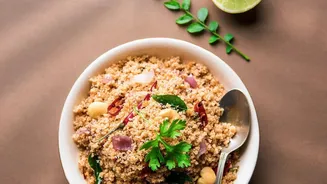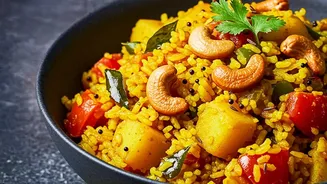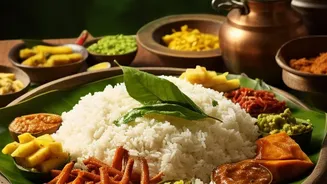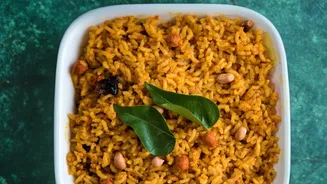

In India, rice is more than just a staple grain; it’s a canvas. From the fragrant peaks of Kashmir to the tropical coasts of the South, traditional rice preparations are a delicious lesson in the country's incredible diversity of regional spices.
Kashmir's Aromatic Kashmiri Pulao
Reflecting
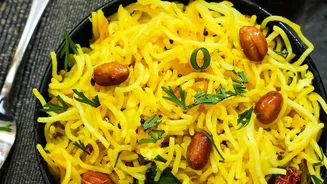
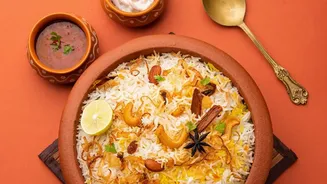
the region's temperate climate and historical influences, Kashmiri Pulao is a mild, fragrant, and visually stunning dish. Unlike its spicier cousins, this pulao focuses on aroma rather than heat. The key spices are subtle and warming: cinnamon, green and black cardamom, cloves, and bay leaves create a fragrant base. A pinch of precious saffron, dissolved in milk, imparts a beautiful golden hue and a signature, luxurious aroma. Powdered fennel and dried ginger are often added, providing a gentle warmth that is characteristic of Kashmiri cuisine. The dish is typically enriched with a generous amount of ghee, fried nuts like cashews and almonds, and sweet raisins, making it a celebratory meal.
The Royal Spices of Hyderabadi Biryani
A globally renowned dish with roots in Mughlai and Nizami royal kitchens, Hyderabadi Biryani is a masterclass in complex spice layering. It's an experience defined by its rich aroma and robust flavour. The spice profile is intricate, featuring both whole and ground spices. Whole spices like shahi jeera (black cumin), bay leaves, star anise, cloves, cinnamon, and green and black cardamom infuse the rice and meat with their potent fragrance during the 'dum' cooking process. The marinade for the meat is just as crucial, using a blend of ginger-garlic paste, turmeric, red chilli powder, and a special biryani masala. This masala often includes nuanced spices like mace (javitri) and nutmeg (jaiphal), which add depth and warmth. Saffron and fresh mint leaves provide the finishing aromatic touches.
Karnataka’s Wholesome Bisi Bele Bath
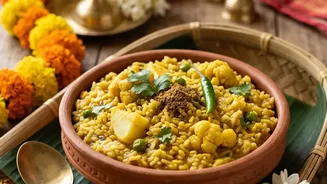
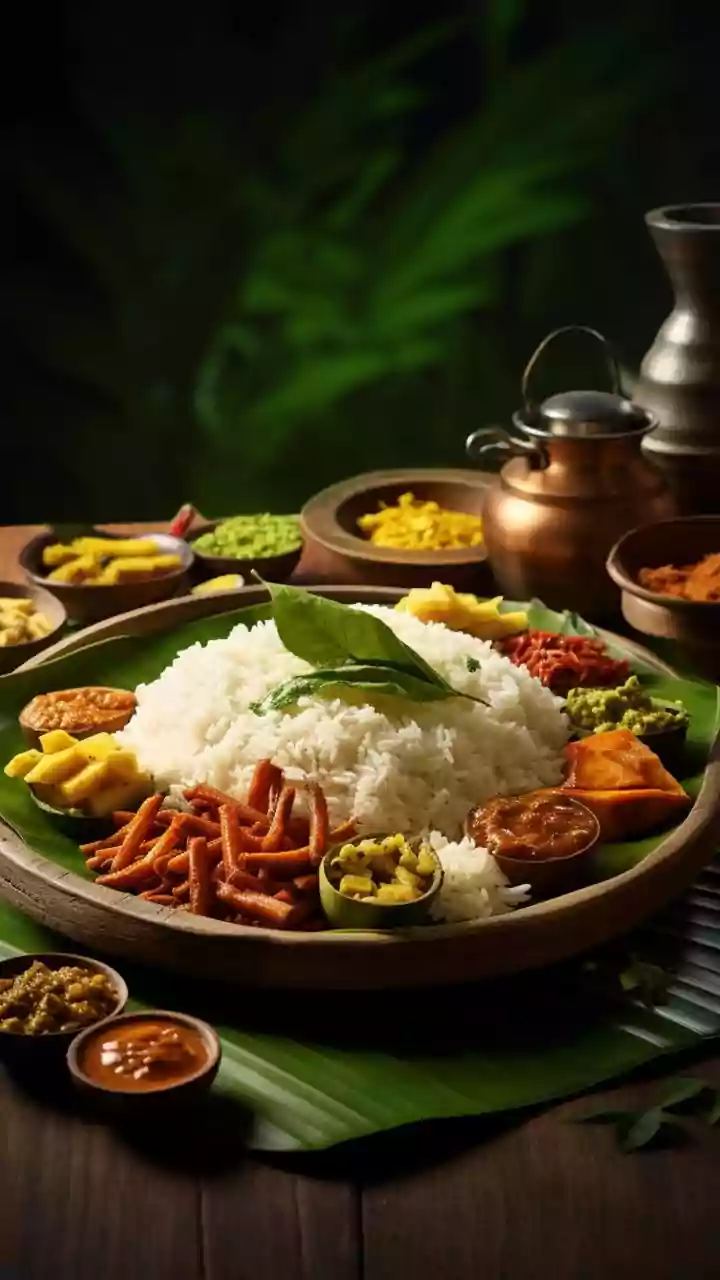
From Karnataka comes Bisi Bele Bath, a one-pot meal that translates to 'hot lentil rice dish'. Its unique taste comes from a special, freshly-ground spice mix known as Bisi Bele Bath powder. This masala is complex and defines the dish's soul. It includes a combination of roasted lentils like chana dal and urad dal, along with spices such as coriander seeds, dried red chillies (often a mix of mild Byadagi for colour and hot Guntur for heat), cinnamon, cloves, and fenugreek seeds. Two key regional ingredients give it a distinctive flavour: marathi moggu (kapok buds), which have a unique pungent taste, and desiccated coconut, which adds a subtle sweetness and texture. The final dish is a tangy, spicy, and savoury medley, perfectly showcasing the intricate spice blends of South Indian cooking.
Bengal's Sweet and Fragrant Mishti Pulao
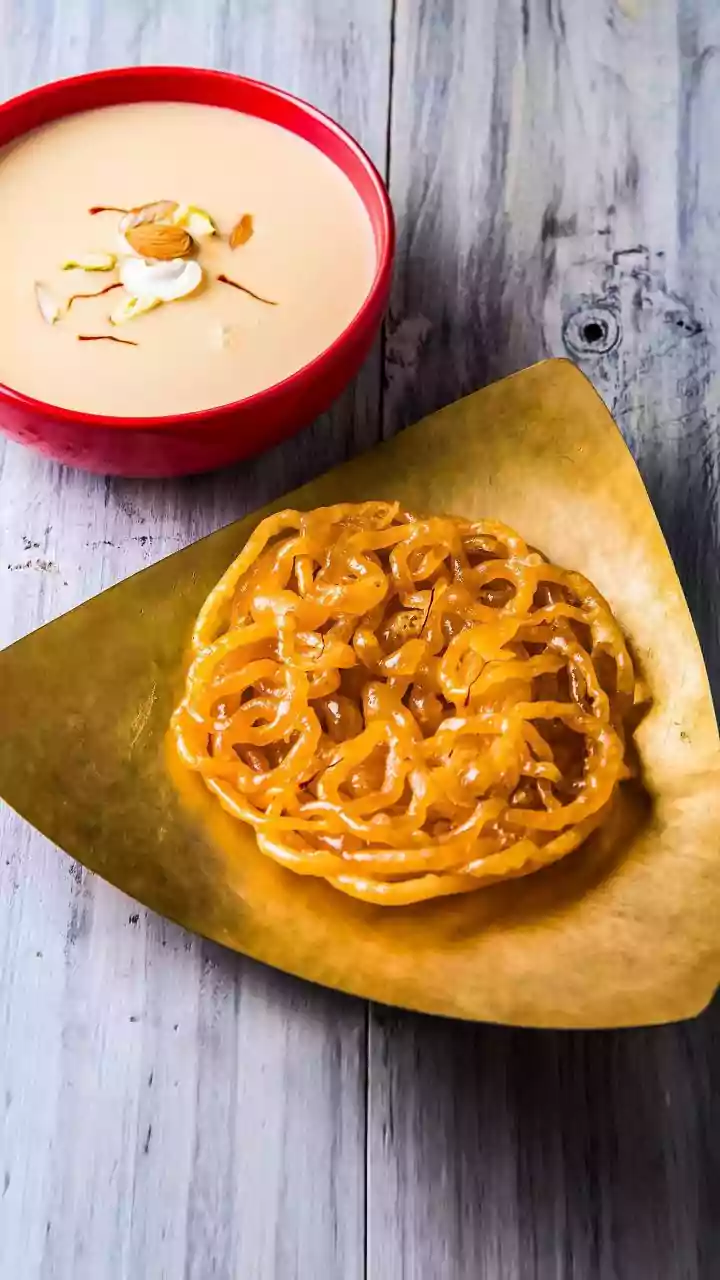
Representing the sweet tooth of Bengal, Mishti Pulao (also known as Basanti Pulao) is a sweet and savoury rice dish often served during festivals and special occasions. The primary flavour profile is mildly sweet, derived from a combination of sugar and raisins. The spice palette is chosen to complement this sweetness. Aromatic whole spices like cinnamon, green cardamom, and cloves are fried in ghee to release their fragrance. Bay leaves and sometimes a pinch of nutmeg powder are also added for depth. Traditionally, the vibrant yellow colour comes from turmeric rather than saffron, which gives it an earthy undertone. This pulao is often made with short-grained, aromatic Gobindobhog rice, which has a distinct flavour and ability to absorb the sweet and spicy notes beautifully.
Maharashtra's Earthy Masale Bhat
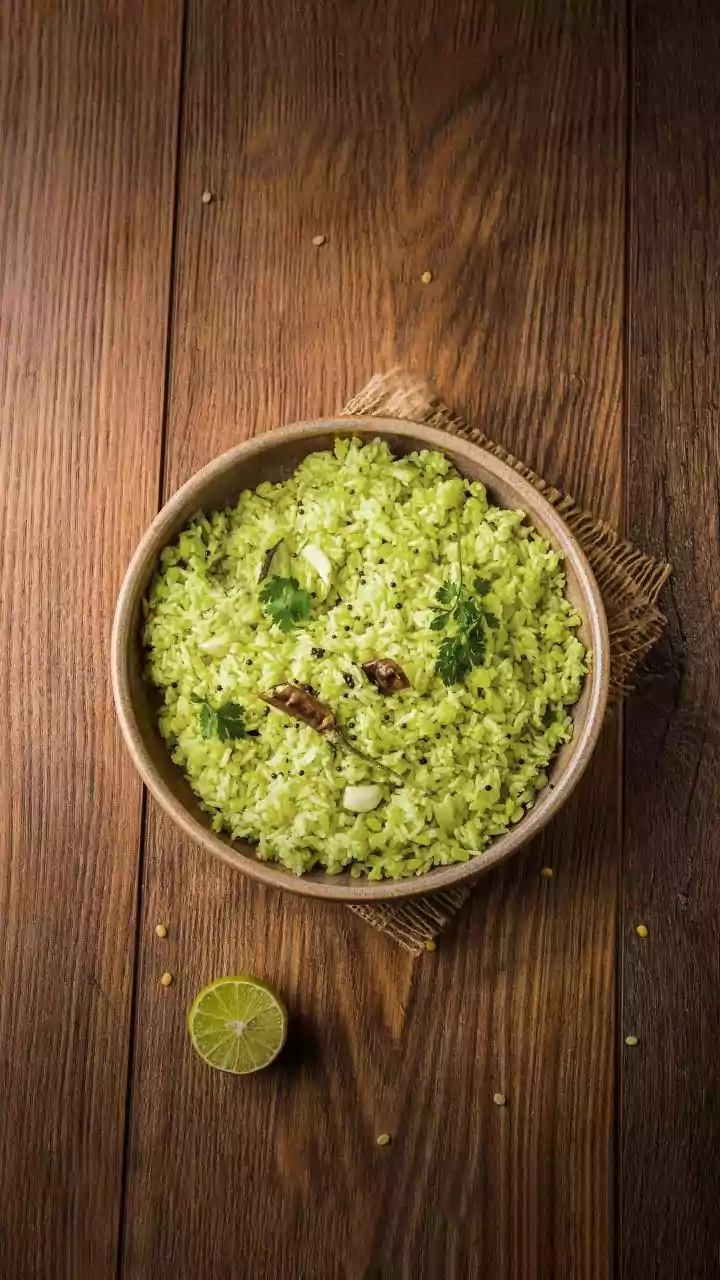
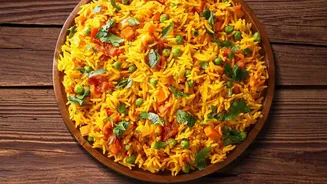
A staple at Maharashtrian weddings and festivals, Masale Bhat is a flavourful rice dish that highlights the region's signature spice blend: goda masala. 'Goda' means sweet, but the masala itself is a complex mix of sweet, pungent, and aromatic spices, creating a unique, dark, and earthy flavour profile. While recipes vary, goda masala typically contains ingredients like coriander and cumin seeds, sesame seeds, and less common spices like dagad phool (stone flower) and nagkesar (cobra's saffron). Standard whole spices like cinnamon, cloves, and bay leaf are also used in the tempering process. Combined with vegetables like ivy gourd and brinjal, the goda masala gives Masale Bhat a taste that is unmistakably Maharashtrian—hearty, aromatic, and deeply flavourful.