







A Movement in Motion
Every year, as International Day of Yoga approaches, a unique energy envelops the nation. This year, the focus sharpens on one of yoga’s most iconic sequences: the Surya Namaskar, or Sun Salutation. Spearheaded by the Ministry of AYUSH in collaboration
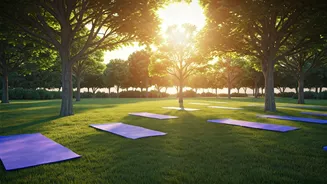
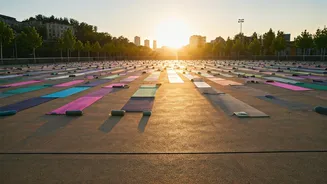
with numerous yoga institutions, state governments, and community groups, the push for a mass, synchronized performance is more than just a photo opportunity. It’s a nationwide call to action. From school grounds in Kerala to public parks in Delhi and corporate offices in Mumbai, countless individuals and groups are practising the 12-step sequence. The goal is ambitious: to create a powerful, unified demonstration of India’s commitment to wellness and its rich cultural heritage. This collective effort, often tracked through digital pledges and registrations, aims to bring together people from all walks of life in a shared, mindful practice.
Why the Sun Salutation?
Among the thousands of yogic postures, why does the Surya Namaskar hold such a central place? The answer lies in its holistic nature. It is not just one asana but a dynamic sequence of twelve postures, flowing seamlessly from one to the next, synchronized with the breath. It's considered a complete 'sadhana' (spiritual practice) in itself, offering a full-body workout that improves cardiovascular health, flexibility, and strength. Each of the 12 steps has a specific benefit, working on different parts of the body, from the spine to the digestive system. Beyond the physical, the practice is steeped in symbolism. It is a gesture of gratitude to the sun, the source of all life and energy on Earth. By choosing this sequence, organizers are promoting a practice that is accessible, comprehensive, and deeply rooted in Indian tradition, making it an ideal symbol for a national wellness movement.
The Art of Synchronization
Organizing millions of people to perform a sequence in unison is a monumental logistical feat. The coordination happens on multiple levels. The Ministry of AYUSH often releases a 'Common Yoga Protocol,' a standardized set of asanas, including Surya Namaskar, which acts as a guideline for all official events. This ensures that whether you are in a large-scale event led by a yoga guru or a small community gathering, the core practice remains consistent. Technology plays a huge role, with online tutorials, apps, and live-streamed sessions helping individuals prepare. The 'synchronization' is often less about every single person moving at the exact same microsecond, and more about a collective, nationwide participation at a designated time, usually in the early morning. This shared timing creates a powerful sense of unity and collective energy, a feeling that millions of others are sharing the same mindful moment.
More Than Just an Event
The annual Yoga Day celebrations, and the Surya Namaskar drive in particular, have evolved far beyond a single-day event. They represent a sustained public health campaign. Since the UN declared June 21st as International Day of Yoga in 2014 at India's behest, the government has consistently used the occasion to promote yoga as a tool for preventive healthcare. The focus on a simple yet powerful routine like Surya Namaskar makes the benefits of yoga accessible to the masses, encouraging people to integrate it into their daily lives. It positions yoga not as a complex, esoteric discipline reserved for experts, but as a practical, daily habit for physical and mental well-being. This shift in perception is perhaps the most significant, long-term impact of these large-scale annual events.
India's Wellness Diplomacy
While the heart of the celebration beats in India, its rhythm is felt globally. Indian embassies and cultural centres across the world organize their own Yoga Day events, often featuring the Common Yoga Protocol. This synchronized Surya Namaskar becomes a powerful symbol of India’s cultural diplomacy. It showcases yoga as a universal gift to the world—a science of well-being that transcends borders, cultures, and religions. When millions in India move in unison, it sends a message of peace, harmony, and the country's role as a proponent of global health. It reinforces yoga's identity as an invaluable part of India's heritage, now shared openly with a global community seeking balance and wellness in a fast-paced world.