





What Exactly Is a Solid-State Battery?
Think of a standard lithium-ion battery, the kind in your phone and current EVs. It has two electrodes and a liquid electrolyte in between that allows charged particles to flow. The problem is, this liquid is often flammable and adds weight and complexity.
A solid-state battery replaces this volatile liquid with a thin, solid material, like a ceramic or polymer. This fundamental change sounds simple, but it revolutionises the battery's performance and safety. By removing the flammable liquid, the risk of battery fires, a significant concern for potential EV buyers, is drastically reduced. This design is not just safer but also more compact, allowing manufacturers to pack more power into a smaller space.
The Big Wins: More Range, Faster Charging, and Better Safety
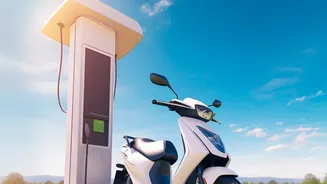
The advantages of solid-state technology are transformative for two-wheelers. First, they offer significantly higher energy density, potentially storing double the energy of current batteries of the same size. For riders, this means a massive jump in range, addressing the persistent anxiety of running out of charge far from home. Secondly, charging times could be slashed dramatically. While a typical EV scooter might take hours to charge, solid-state technology supports ultra-fast charging, potentially getting you back on the road in as little as 10 to 15 minutes. Finally, safety is a game-changer. The absence of a flammable liquid electrolyte means solid-state batteries are inherently more stable and far less prone to the thermal runaway events that can lead to fires.
The Path to Lower Prices for Indian Consumers
While solid-state batteries are currently more expensive to produce than their lithium-ion counterparts, the path to lower prices is becoming clear. Experts project that as manufacturing scales up and technology matures, costs are expected to fall significantly by the late 2020s. The price reduction comes from several factors. The design is simpler, removing the need for the complex cooling and safety systems that liquid-based batteries require. Furthermore, some solid-state designs can use more abundant and cheaper materials, reducing reliance on costly and controversial metals like cobalt. Over the long term, their extended lifespan—being able to withstand many more charge cycles—also lowers the total cost of ownership, as battery replacements become far less frequent.
What This Means for India’s Two-Wheeler Market
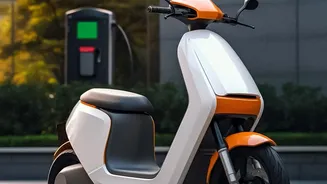
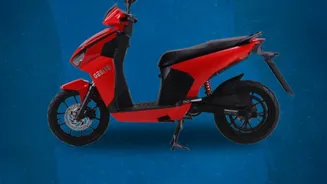
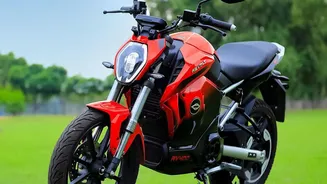
In India, where two-wheelers dominate the roads, the impact could be profound. High upfront cost remains the single biggest barrier to mass EV adoption. By promising a future of more affordable, safer, and longer-range electric scooters and motorcycles, solid-state technology can accelerate the nation's transition to electric mobility. Indian companies are already entering the race. Ola Electric has announced plans to develop its own solid-state battery technology, aiming to power its future vehicles with homegrown cells. Other players like the Chennai-based Ramcharan Company and Kolkata's Vikram Solar are also making strides in solid-state and advanced battery manufacturing, indicating a growing domestic ecosystem. This localization of cell manufacturing is seen as the critical next step in reducing the cost of EVs in the country.
The Road Ahead: Timeline and Hurdles
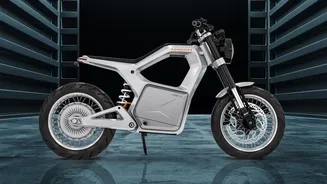
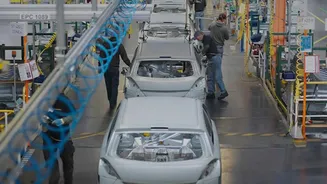
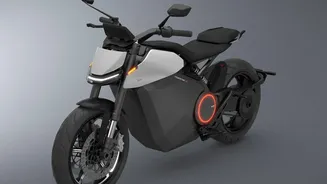
While the promise is immense, patience is key. Mass-market availability of affordable solid-state batteries is not expected overnight. Major global automakers and battery manufacturers are targeting commercial production between 2027 and 2030. The primary challenges remain in scaling up the complex manufacturing processes to achieve consistent quality and bring down the high initial production costs. However, progress is accelerating. Some niche, high-performance electric motorcycles featuring solid-state batteries are already entering production in 2026. These early models will serve as crucial real-world test cases, paving the way for the technology to become mainstream and, eventually, power the affordable electric scooters on Indian roads.