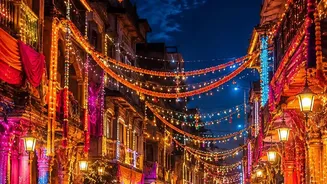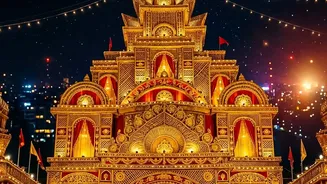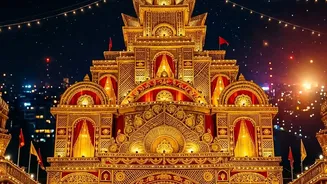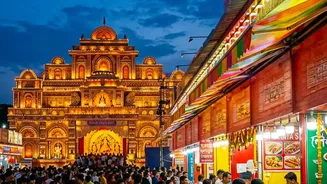






Ayodhya's Deepotsav is a spectacle of light, faith, and culture. As millions of earthen lamps illuminate the holy city, navigating the grand festival can be overwhelming. Here are seven key experiences to guide your journey.
Witness the Sea of Millions of Diyas
The main event of Deepotsav
is the breathtaking display of millions of earthen lamps, or diyas, lit simultaneously along the ghats of the Saryu River. The heart of this spectacle is Ram Ki Paidi, a series of ghats that transform into a glowing river of light. In 2026, organizers are aiming to light over three million diyas, continuing the tradition of setting new world records. Thousands of volunteers work to arrange and light the lamps, creating a mesmerising sight that symbolises the victory of light over darkness and commemorates Lord Ram's return to Ayodhya. For the best view, find a spot at Naya Ghat or other public viewing areas, but be sure to arrive early as access to the central zone is often restricted.
Experience the Grand Saryu Aarti
Before the diyas are lit, the banks of the Saryu come alive with the evening Maha Aarti, a deeply spiritual and captivating ritual. Thousands of priests and devotees gather to offer prayers to the sacred river, with synchronised chanting, the ringing of bells, and large, ornate lamps. The air fills with devotional hymns and the scent of incense, creating an unforgettable atmosphere of collective faith. This grand aarti is a highlight for many visitors, offering a moment of serene devotion amidst the festival's vibrant energy.
Watch the Ramayana Unfold in a Grand Procession
The Shobha Yatra, or grand procession, is a vibrant parade that brings the epic Ramayana to life on the streets of Ayodhya. Dozens of decorated tableaux, known as 'jhakis', depict key scenes from Lord Ram's life, from his birth to his victory over Ravana. These floats are accompanied by hundreds of artists dressed as deities and folk dancers performing traditional dances like Mayur and Dhobiya. The procession typically travels from Saket Mahavidyalaya to Ram Katha Park, turning the city into a divine theatre of faith and celebration.
See Tradition Meet Technology in Dazzling Shows
Ayodhya Deepotsav masterfully blends ancient tradition with modern technology. After sunset, the skies above the Saryu River are illuminated by spectacular laser and drone shows. In 2026, a show featuring over 2,100 drones is planned to narrate episodes from the Ramayana, creating vivid aerial imagery. Additionally, 3D projection mapping and hologram shows are often used on buildings and at the ghats to tell stories from the epic, offering a stunning high-tech complement to the traditional earthen lamps.
Offer Prayers at the Illuminated Ram Janmabhoomi
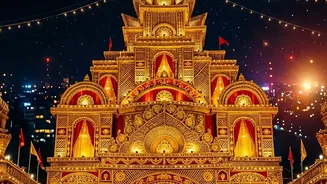
A visit to Ayodhya during Deepotsav is incomplete without a darshan at the Shri Ram Janmabhoomi Mandir. The temple, marking the birthplace of Lord Ram, holds special significance during this festival celebrating his return. For Deepotsav, the temple complex is specially decorated and illuminated with over one lakh diyas, creating a divine and serene atmosphere. On Diwali day itself, a special 'Chhappan Bhog' (an offering of 56 food items) is made to Ram Lalla. Be sure to check official guidelines for darshan timings and security, as large crowds are expected.
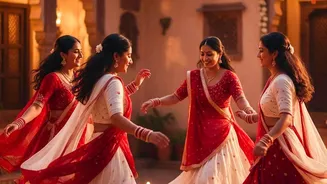
The festival is a rich cultural tapestry featuring performances from across India and the world. Ramlila, the traditional enactment of the Ramayana, is staged at various locations, including international troupes from countries like Sri Lanka, Nepal, and Thailand. The sounds of folk music and classical dance fill the air at venues like Ram Katha Park. These performances celebrate India’s 'Ek Bharat, Shreshth Bharat' vision of unity through cultural harmony and provide nonstopp entertainment for visitors.
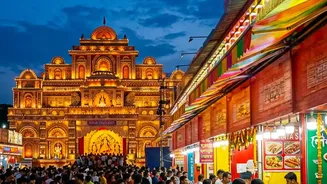
No festival experience is complete without indulging in the local cuisine. The bustling streets of Ayodhya offer a delightful array of traditional Awadhi and vegetarian delicacies. Visitors can savour local specialities like pedas, kachori‐sabzi, and chaat from many street food stalls that line many lanes. During many festivals', markets are filled with vendors selling not only food but also flowers', sweets', and religious souvenirs', making for a vibrant and flavourful exploration of local culture.