



Embrace the Stems
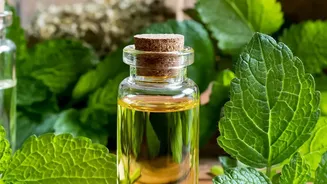
In the quest for a zero-waste kitchen, every part of an ingredient holds potential. While the tender leaves of coriander and mint find their way into chutneys and garnishes, the stems are often discarded. However, these stems are packed with the same
aromatic compounds as the leaves and can be used to create vibrant, flavourful oils. This process not only saves money and reduces food waste but also equips your pantry with a bespoke ingredient that can add a professional touch to your home cooking. It’s a simple act of culinary alchemy: turning what is typically considered trash into a flavourful treasure. By saving these stems, you are tapping into a sustainable practice that honours the full life cycle of your produce.
Gather Your Ingredients and Tools
The beauty of this recipe lies in its simplicity. You don't need any special equipment, just a few kitchen staples. You will need a good handful of leftover coriander and mint stems, washed and, most importantly, patted completely dry. You will also need about a cup of a neutral-flavoured oil, a small saucepan, a clean and dry glass jar with a tight-fitting lid, and a fine-mesh sieve or cheesecloth for straining. The type of oil you choose will influence the final taste, so consider what you plan to use it for. A neutral base allows the herb flavours to be the star.
The Infusion Method: A Step-by-Step Guide
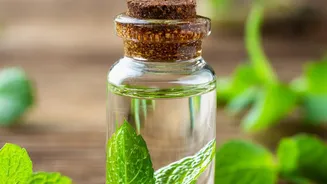
Creating your infused oil is straightforward, but attention to detail is key, especially regarding moisture. First, ensure your washed coriander and mint stems are bone dry; pat them with a kitchen towel and let them air-dry for a while. Water is the enemy here, as it can encourage bacterial growth in the oil. Once dry, lightly bruise the stems with the back of a knife to help release their essential oils. Next, pour your chosen oil into the small saucepan and gently heat it over low flame. You want it to be warm, not hot or simmering—around 80°C is ideal if you have a thermometer. Remove the pan from the heat and add the bruised stems to the warm oil. Let the mixture steep for at least an hour, or until it has completely cooled down. The longer it infuses, the more potent the flavour will be. Once cooled, strain the oil through a fine sieve or cheesecloth into your sterilised glass jar, making sure to press on the stems to extract every last drop of flavourful oil. Discard the spent stems.
Choosing the Perfect Oil Base
The oil you use as a base is just as important as the herbs. For a clean, pure expression of the coriander and mint, a neutral oil like grapeseed, sunflower, or a light olive oil is an excellent choice. These oils won't compete with the delicate herbal notes. Grapeseed oil, for instance, has a high smoke point and a clean taste, making the resulting infused oil versatile for both finishing and light cooking. If you prefer a more robust flavour profile, a fruitier extra virgin olive oil can be used, which will add its own peppery or grassy notes to the final product. Experiment with different oils to see which combination you prefer for different culinary applications, from salad dressings to marinades.
Critical Safety and Storage Tips
Because this recipe uses fresh herb stems, it's crucial to handle storage correctly to prevent the growth of harmful bacteria, including Clostridium botulinum. The key is to eliminate moisture. Using thoroughly dried stems is the first and most important step. Once made, your non-acidified infused oil must be stored in the refrigerator in an airtight container. It should be used within four days to a week for maximum safety and flavour. The oil may solidify or become cloudy in the cold; this is normal and will reverse once it returns to room temperature. For longer storage, you can freeze the oil in an ice cube tray, allowing you to pop out a single serving of flavour whenever you need it.
How to Use Your Homemade Herb Oil
Now for the fun part: using your creation. This coriander and mint oil is incredibly versatile. Drizzle it over roasted vegetables, grilled fish, or chicken to add a fresh, aromatic finish. Use it as a flavourful base for a vinaigrette by simply adding lemon juice or vinegar, salt, and pepper. It can be tossed with pasta and a sprinkle of cheese for a quick and elegant meal. You can also use it as a dipping oil for crusty bread, or swirl it into soups and dal just before serving to add a final burst of brightness. The possibilities are endless, and your homemade oil will bring a unique touch to any dish it graces.