




The Science of a Rainy Day Craving
That sudden urge for something hot, fried, and savoury isn't just in your head; it's a response to the environment. Cooler temperatures during a downpour nudge the body to seek warm, energy-dense foods to maintain its core temperature. Simultaneously,
the grey skies and reduced sunlight can lead to a dip in serotonin, the body's 'feel-good' hormone. In response, the brain craves carbohydrates and fatty foods, which can provide a quick mood lift. The high humidity also plays a part, sometimes slowing down our digestive system. This makes intensely flavourful, smaller snacks feel more appealing than heavy meals. And then there's the powerful pull of nostalgia; for countless Indians, the sound of sizzling oil and the aroma of frying snacks are neurologically linked to the comfort and safety of home during a storm.
A Crispy Tour Through the West
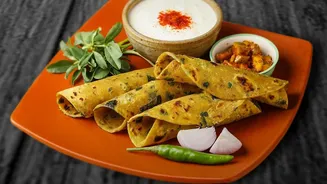
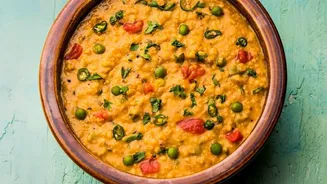
In Maharashtra and Gujarat, the monsoon is practically synonymous with fritters. Mumbai comes to a standstill for plates of Kanda Bhaji (onion fritters) and Batata Vada, the spicy potato filling a perfect counterpoint to the rain. These are often stuffed into a soft pav, creating the iconic vada pav, a snack that tastes exponentially better when the weather turns. Alongside these, you'll find vendors roasting Bhutta (corn on the cob) over open coals, slathering it with lime, salt, and spices. In Gujarat, the offerings include Methi na Muthiya (fenugreek dumplings) and the ever-popular khichdi, a comforting mix of rice and lentils that becomes a household staple. These dishes are not just snacks but a communal ritual, shared in homes and at street-side stalls where people gather to watch the rain.
Hearty Comfort from the East
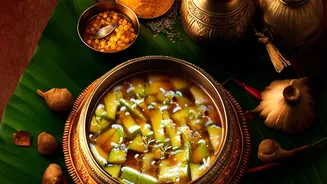
Travel to Bengal, and the ultimate monsoon comfort food is Khichuri. This isn't just a simple rice and lentil dish; it's a sublime, often semi-liquid preparation cooked with seasonal vegetables and aromatic spices. It's traditionally paired with different kinds of fried accompaniments, or 'telebhaja,' like Beguni (eggplant fritters) or the coveted Ilish Maach Bhaja (fried Hilsa fish), a seasonal delicacy whose arrival coincides with the rains. This combination of a warm, nourishing base with a crispy, flavourful side is the region's edible response to a grey, damp day, offering both sustenance and soulful satisfaction.
Warmth and Spice from the South
In the South, monsoon foods often lean on the warming properties of local spices. In Tamil Nadu, a peppery Rasam is essential, its pungent, hot broth seen as a comforting and mind-clearing remedy for the damp chill. In Kerala, the season brings a focus on lighter, steamed dishes and nourishing broths like the Karkidaka Kanji, a medicinal rice gruel made with specific herbs. Across Karnataka, the rainy weather is perfect for enjoying a Mysore Bonda or a crispy Maddur Vada with a hot filter coffee. These snacks, often made from lentils and rice flour, provide a satisfying crunch and are perfectly suited for long conversations while the rain pours outside.
Northern Staples and Soulful Meals
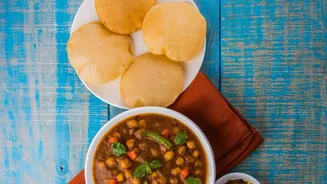
In the North, the monsoon elevates everyday staples into cherished rituals. The aroma of freshly fried samosas and bread pakoras, filled with spicy potato mixtures, wafts from street stalls across Delhi and Punjab. These are almost always enjoyed with a cup of adrak chai (ginger tea), a brew that provides warmth and is believed to aid digestion. Beyond the snacks, heartier dishes like Chole Bhature, a rich chickpea curry with fluffy fried bread, become even more appealing, offering a rewarding indulgence on a cool, rainy day. Each bite feels like a celebration, a delicious defiance against the gloom outside.