

The Holy Trinity: Dal, Baati, and Churma
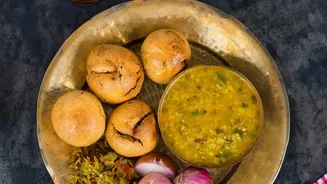
Dal Baati Churma is not just a dish; it is the culinary soul of Rajasthan. This trio represents a complete meal, perfectly balancing savoury, spicy, and sweet. The 'Dal' is a fragrant curry typically made from a mix of five different lentils (panchmel
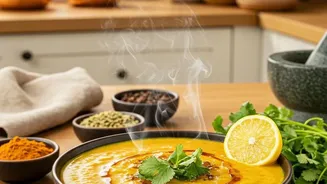
dal), slow-cooked with spices like cumin, asafoetia, and turmeric. The 'Baati' are hard, unleavened wheat rolls. Dough made from coarse wheat flour, semolina, and a generous amount of ghee is shaped into balls and traditionally baked in a clay oven or over hot coals, giving them a smoky aroma and a crusty exterior with a soft inside. Finally, 'Churma' provides the sweet finish. It’s made by crushing baked baatis and mixing the coarse powder with ghee and jaggery or powdered sugar, often garnished with nuts and cardamom. Eaten together, it’s a symphony of textures and tastes.
A Dish Forged in History
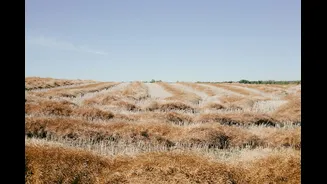
The origin of baati is deeply practical, born from the needs of Rajasthan's warrior clans. History suggests that soldiers during the time of Bappa Rawal, the founder of the Mewar kingdom, would bury dough balls in the hot desert sand before heading into battle. The relentless sun would bake the dough, and upon their return, they would have perfectly cooked baatis ready to be eaten with curd or buttermilk. This method made it a perfect, long-lasting meal for people in a region defined by its harsh climate and scarcity of water. The churma is believed to have been an accidental, happy discovery. One story claims a cook for the Mewar royal family once mistakenly poured sugarcane juice over some baatis, creating a sweet, soft crumble that was instantly loved.
The Crunch Heard Around the World: Bikaneri Snacks
While Dal Baati Churma is the heart of a Rajasthani feast, the city of Bikaner offers the kingdom's most famous crunchy export: Bikaneri Bhujia. This crispy, savoury snack is more than just a deep-fried noodle; it is an identity. Made from the flour of moth beans, which thrive in the local arid climate, and gram flour, its unique flavour comes from a closely guarded blend of spices. The first batch was reportedly produced in 1877 during the reign of Maharaja Shri Dungar Singh. What started as a royal delicacy soon became a beloved snack across all of society. Poet Ashok Vajpeyi once joked that Bikaner is a city where 'half the population is busy making bhujia and the other half is eating it'.
A Mark of Authenticity
The popularity of Bikaneri Bhujia led to countless imitations across the country. To protect its heritage, Bikaneri Bhujia was granted a Geographical Indication (GI) tag in 2010. This ensures that only snacks produced within the Bikaner region, using the traditional recipe and local moth beans, can legally carry the name. This protection is vital for the local economy, which supports a massive cottage industry employing millions, especially women in rural areas. Beyond bhujia, Bikaner's savoury 'namkeen' world includes other delights like Raj Kachori, a large, crispy puri filled with potatoes, sprouts, and a medley of sweet and spicy chutneys.
Beyond the Icons
Using Dal Baati and Bikaneri Bhujia as your starting points opens the door to the vast Rajasthani culinary landscape. The same ingenuity that created baati also led to dishes like 'Gatte ki Sabzi', where gram flour dumplings are simmered in a tangy yogurt-based curry, and 'Ker Sangri', a unique dish made from dried desert beans and berries. For meat lovers, there is the fiery 'Laal Maas', a mutton curry famous for its vibrant red colour derived from Mathania chillies. Each dish tells a story of survival, innovation, and a culture that learned to create extraordinary flavours from the limited resources of the desert.