


From Trash to Treasure
In the quest for a zero-waste kitchen, herb stems are often overlooked. Most recipes call for just the leaves of soft herbs like coriander, parsley, and mint, relegating the flavour-packed stems to the compost bin. But these stems contain a huge amount
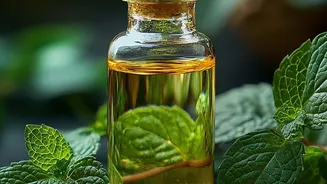
of the same essential oils found in the leaves, offering a potent, fresh flavour that's perfect for infusions. By using them to create cooking oils, you not only reduce food waste but also create a versatile, gourmet ingredient for your pantry. It’s a simple, sustainable practice that adds a layer of complexity to your meals for practically no cost.
Choosing the Right Oil Base
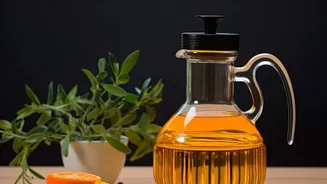
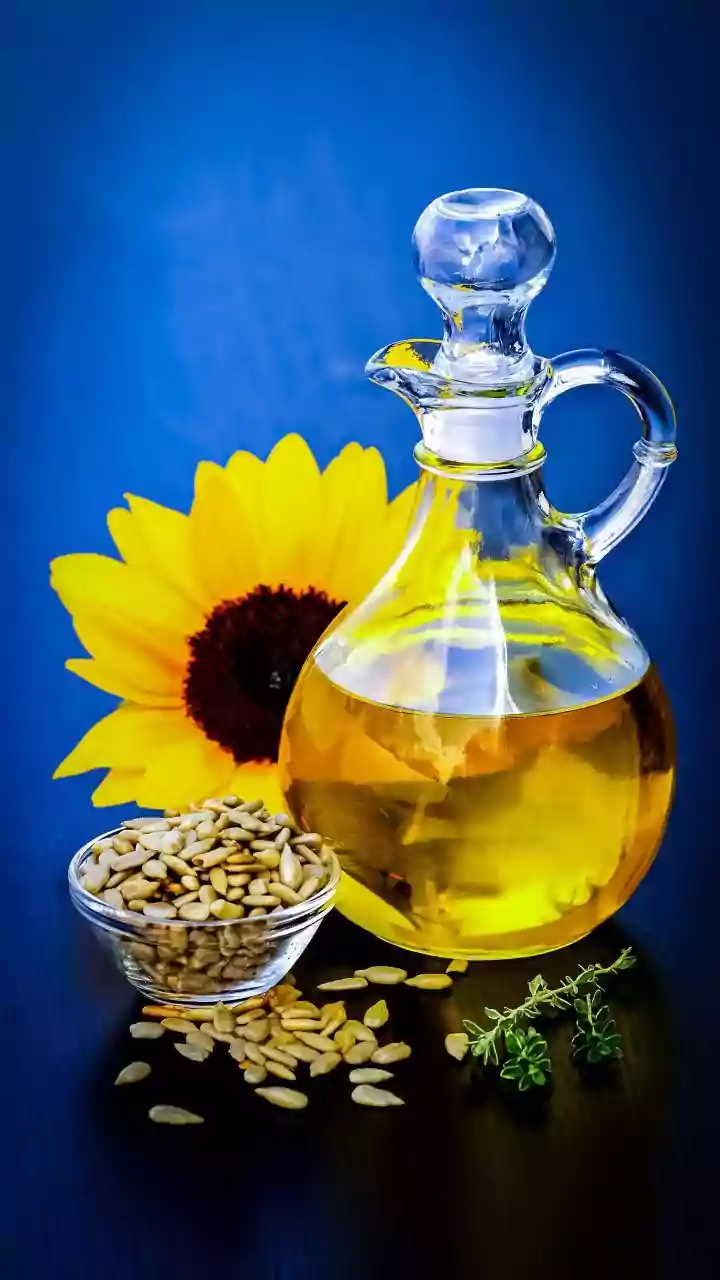
The foundation of your infused oil is, of course, the oil itself. The best choice is a neutral-flavoured oil that won't overpower the delicate notes of the herbs. Good options include grapeseed oil, sunflower oil, or a light olive oil. Extra virgin olive oil can also be used, but its stronger, peppery flavour will compete with the mint and coriander, so use it only if you desire that combination. The goal is to let the essence of the stems shine through, so a clean, neutral canvas is ideal for your first few batches.
The Gentle Heat Method
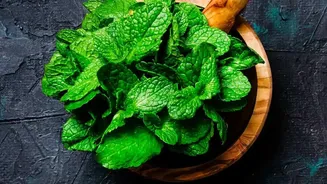
For a quick and flavourful infusion, the gentle heat method is your best friend. Start by thoroughly washing and, most importantly, completely drying your coriander and mint stems. Any moisture left on the herbs can promote bacterial growth. Chop the stems roughly to help release their oils. Place one cup of neutral oil and a generous handful of stems in a small saucepan. Heat the mixture over the lowest possible setting. You are not trying to fry the stems, only to warm the oil gently, to about 65°C. Keep it at this low temperature for about 5-10 minutes, then turn off the heat and let the stems steep in the warm oil for at least an hour as it cools. The longer it steeps, the stronger the flavour will be.
The Slow Cold Infusion Method
If you have more time and want to preserve the most delicate flavours of the herbs, a cold infusion is an excellent option. This method requires no heat at all. Simply place your clean, thoroughly dried, and chopped stems into a sterilized glass jar. Pour the oil over the stems until they are completely submerged. Seal the jar tightly and place it in a sunny, warm spot, like a windowsill, for one to two weeks. Give the jar a good shake every day to help the infusion process along. This slow extraction results in a vibrant, fresh-tasting oil that captures the raw essence of the herbs.
Crucial Steps: Straining and Storage
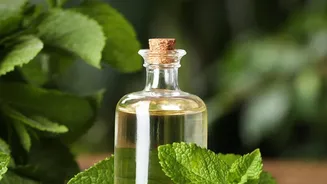
Once your oil is infused to your liking, it's time to strain out the stems. Use a fine-mesh sieve or a piece of cheesecloth to ensure all the plant solids are removed. This is a critical step, as leftover plant material can decompose and spoil the oil. Pour the strained oil into a clean, sterilized, and dry glass bottle with a tight-fitting lid. The most important rule for homemade oils infused with fresh herbs is storage. Because fresh herbs contain moisture, they carry a risk of encouraging the growth of Clostridium botulinum bacteria if not handled correctly. To stay safe, you must store your fresh-infused oil in the refrigerator and use it within four days. For longer-term storage, you would need to use fully dried herbs or specific acidification processes, but for this quick, zero-waste method, refrigeration is key.
How to Use Your Homemade Oils
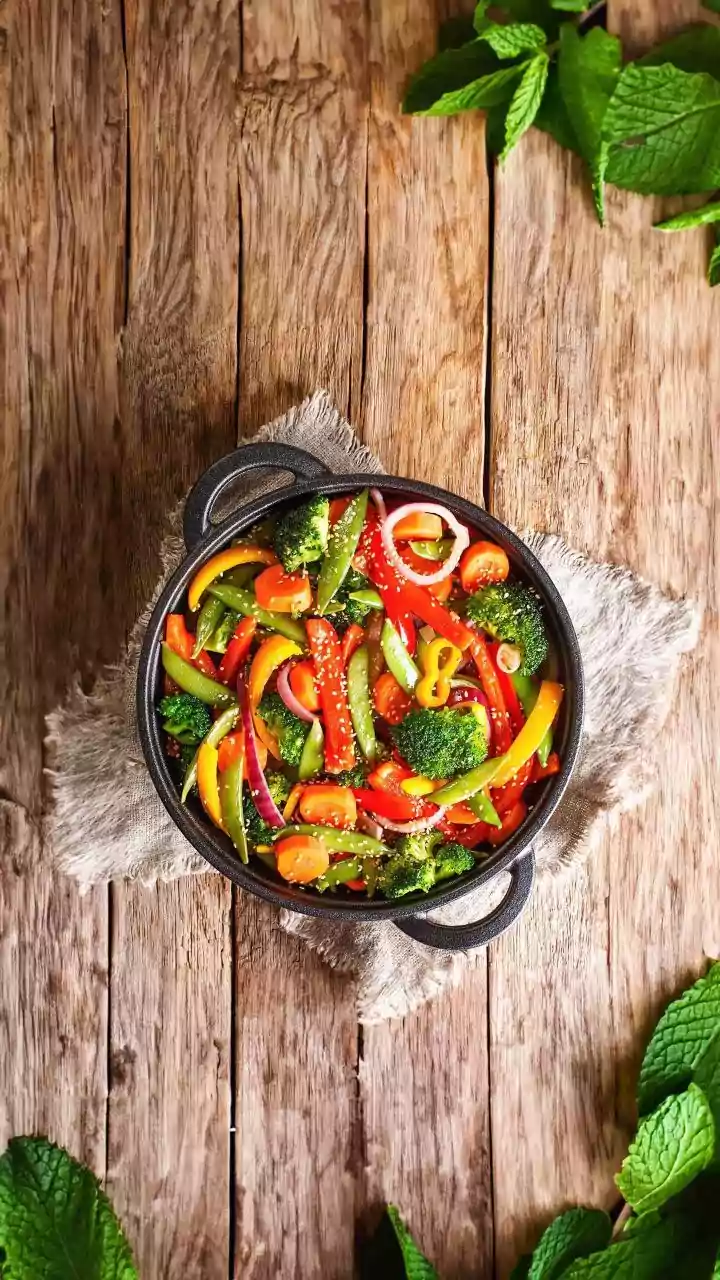
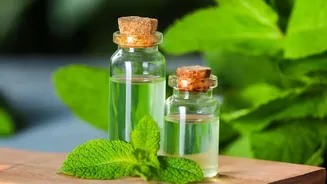
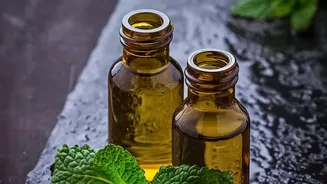
Now for the fun part. Your homemade coriander and mint stem oil is incredibly versatile. Drizzle it over a finished soup or a bowl of dal for a burst of freshness. Use it as a base for a vibrant salad dressing or vinaigrette. It's fantastic tossed with roasted vegetables, used to marinate chicken or fish, or simply served with a loaf of crusty bread for dipping. The coriander oil adds a bright, citrusy note, while the mint oil provides a cool, refreshing kick, making them a dynamic duo in your culinary toolkit.