





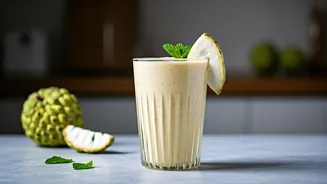


Meet the Prickly Pear
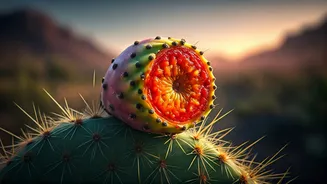
Often found perched atop the flat pads of the Opuntia cactus, the prickly pear is a fruit known by many names, including 'tuna' in Spanish, cactus fig, and in India, 'Nagphani'. This egg-shaped fruit boasts a stunning range of colours, from deep magenta
and red to orange and green, depending on the variety and ripeness. Though it’s native to the Americas, this hardy cactus has made its home in arid regions across the globe, including parts of Gujarat and Rajasthan. Beneath its dotted exterior lies a soft, juicy pulp filled with edible seeds. For centuries, it has been a staple in Mexican and Central American diets, valued not just for its unique taste but also for its versatility.
A Surprising Taste and Texture
So, what does this exotic fruit actually taste like? Most people describe the flavour as a delightful and refreshing blend, often compared to a sweet watermelon, a ripe pear, or even a mix of berries with a hint of bubblegum. The texture of the flesh is soft and juicy, somewhat similar to a kiwi, but it’s dotted with numerous small, hard seeds. While the seeds are edible, they are quite crunchy, and many people prefer to spit them out or strain them when making juice or purées. The overall experience is a sweet, subtly floral, and incredibly hydrating treat, perfect for a hot day.
Handle with Care: A Guide to Preparation
The main obstacle to enjoying a prickly pear is right in its name: the prickles. The fruit is covered in tiny, hair-like spines called glochids, which can easily detach and lodge in your skin, causing significant irritation. Commercially sold fruits often have most of these removed, but caution is always advised. The safest way to handle them is with tongs or thick gloves. To prepare the fruit, you can carefully burn the glochids off over an open flame from a gas stove. Alternatively, hold the fruit with tongs, slice off both ends, make a shallow cut down the length of the skin, and then peel the thick rind away to reveal the edible pulp inside. A thorough rinse under running water before you begin is also a good idea.
A Nutritional Powerhouse
The prickly pear isn’t just a pretty fruit; it’s packed with nutritional benefits that have earned it the title of a 'superfood'. It is low in calories but high in dietary fibre, which is great for digestion. The fruit is an excellent source of Vitamin C, magnesium, and potassium. It's also loaded with antioxidants, particularly betalains, which are the pigments responsible for its deep red or yellow colours. These compounds help fight inflammation and protect cells from damage. In traditional Mexican folk medicine, it's been used for everything from digestive issues to skin ailments.
From Juices to Jams
Once you’ve mastered its preparation, a world of culinary possibilities opens up. The simplest way to enjoy it is to eat the fruit raw, chilled and sliced. Its vibrant juice is a popular base for refreshing drinks, smoothies, and cocktails like the famous prickly pear margarita. The pulp can be strained to remove the seeds and then cooked down to create stunningly coloured syrups, jams, and jellies. This syrup is perfect for drizzling over desserts or adding to lemonade. For a more savoury take, the purée can be used to make unique salad dressings or even a risotto.