



A New Space Era Is Here
The Indian space landscape has been fundamentally reshaped since the government opened the sector to private participation in 2020. This policy shift led to the creation of the Indian National Space Promotion and Authorisation Centre (IN-SPACe), a single-window
agency to promote, authorise, and supervise private space activities. The goal is to move from an ISRO-dominated model to a thriving ecosystem where private companies build and launch rockets, own and operate satellites, and sell space-based services. This has unleashed a wave of entrepreneurship, with over 400 space startups now active in the country, attracting significant private investment. Projections estimate the Indian space market could reach ₹2.37 lakh crore by 2030, creating tens of thousands of new, high-skilled jobs.
Upstream: Building the Rockets and Satellites
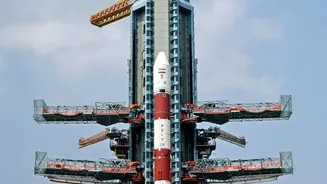
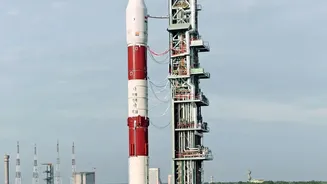
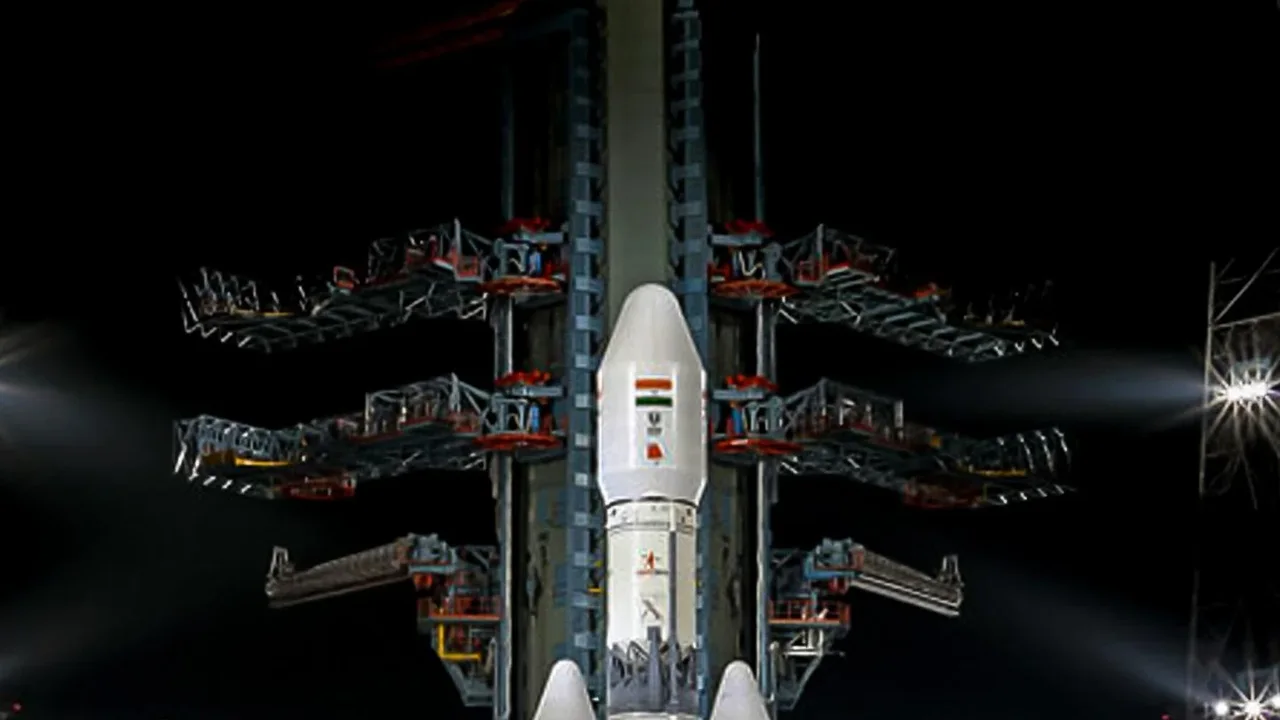
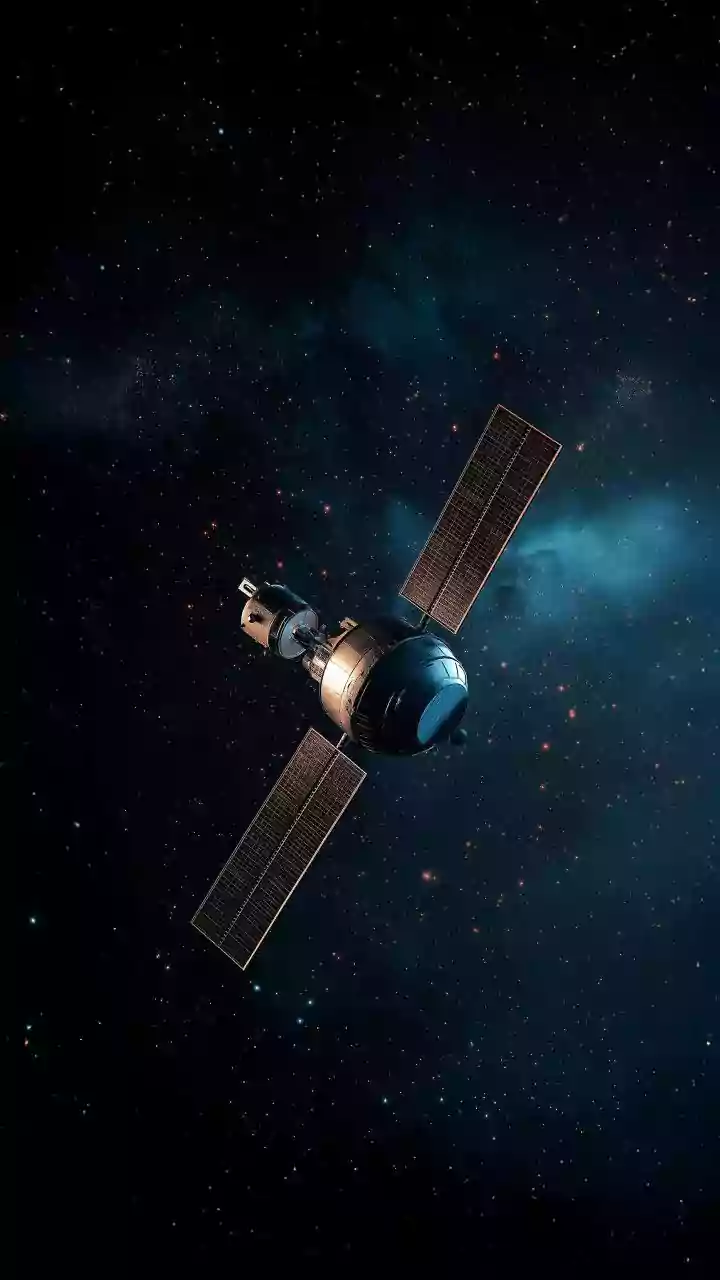
The most visible part of the space industry is the 'upstream' sector: manufacturing the hardware that goes into orbit. Companies like Skyroot Aerospace, which became the first private Indian company to launch a rocket in 2022, and Agnikul Cosmos are developing their own launch vehicles. They are hiring propulsion, structures, avionics, and guidance-and-control engineers to build the rockets that will carry satellites to space. Simultaneously, firms like Dhruva Space and Pixxel are focused on building satellites. Dhruva builds satellite platforms that other companies can use, while Pixxel is deploying a constellation of hyperspectral imaging satellites. These companies need satellite systems engineers, payload specialists, and thermal and power systems engineers to design, build, and test complex spacecraft.
Downstream: The Power of Space Data
While rockets and satellites grab headlines, a massive area of growth is in the 'downstream' sector—using the data collected from space. This is where the space economy connects with everyday life. Companies like SatSure use satellite imagery for applications in agriculture, insurance, and infrastructure monitoring. This creates a huge demand for professionals who may not have a traditional aerospace background. Key roles include remote sensing engineers, GIS analysts, data scientists, and machine learning experts who can interpret satellite data and build decision-making tools. As more satellites are launched, the volume and variety of available data will explode, making data analytics a cornerstone of the future space economy.
The In-Between: Mission Operations and Ground Services
A satellite in orbit is only useful if you can communicate with it and control it. This requires a robust ground segment and skilled mission operations teams. This sub-sector involves developing the software for mission control, managing ground stations, and planning the day-to-day operations of a satellite or a launch vehicle. Companies are hiring for roles like launch vehicle operations strategists, mission design software developers, and satellite flight controllers. As private satellite constellations grow, so will the need for people who can manage these complex systems from the ground, ensuring they deliver reliable data and services around the clock.
Breaking In: What Skills Are in Demand?
While an aerospace engineering degree is a traditional entry point, the modern space industry needs a multidisciplinary talent pool. Private companies are actively seeking engineers with experience in mechanical, electronics, and computer science. Proficiency in software like Python, C++, and MATLAB is highly valued for everything from flight software to data analysis. Furthermore, startups often look for hands-on experience, which can be gained through university clubs, personal projects, or internships. The industry is also creating opportunities for non-technical roles in business development, space law, and finance, which are essential for supporting the commercial growth of these new ventures.