





The Sobering Numbers
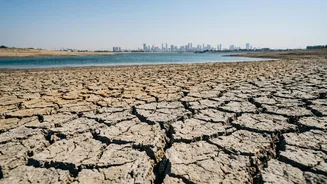
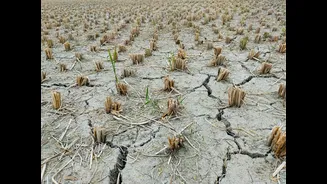
The India Meteorological Department (IMD) has confirmed that the 2026 southwest monsoon was the driest since 2015, with rainfall ending up 12.6% below the long-period average. This shortfall has had a direct and worrying impact on the country's water
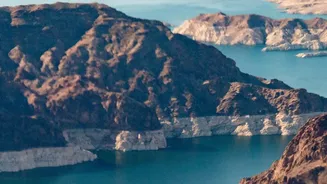
lifelines: its major reservoirs. As of late September, water levels in India's 178 key reservoirs stood at just 70% of their total capacity. This is significantly lower than the 10-year average of 76.62% for this time of year and a sharp drop from last year's 79% storage. While a national average of 70% might not sound immediately alarming, the regional picture reveals a more critical situation. Southern India is facing the most acute stress, with its reservoirs holding only 50% of their total capacity, a dramatic fall from 87% at the same time last year. States like Karnataka and Maharashtra have already declared drought in several districts, signaling the strain on water resources for drinking, irrigation, and power generation.
Why Are Levels Low?
The primary cause is a deficient and erratic monsoon season, influenced by developing El Niño conditions. The season was marked by extreme swings, with some weeks seeing surplus rain while others faced massive deficits. More importantly, the rainfall was unevenly distributed across the country. The South Peninsula and East and Northeast India were particularly hard-hit, receiving only 76% and 74% of their average rainfall, respectively. This unevenness means that even regions that received some rain couldn't adequately replenish their water sources. When the main recharging season for the country's water bodies underperforms so significantly, it creates a deficit that will be felt throughout the dry months ahead, from late 2026 into the summer of 2027.
The Ripple Effect of Scarcity
Low reservoir levels are not just an abstract statistic; they have tangible consequences for daily life and the economy. The most immediate impact is on agriculture, as reduced water availability for irrigation can affect crop yields, particularly for the upcoming rabi season, and hurt farm incomes. This can also lead to increased food inflation. Urban and rural areas alike will face growing pressure on drinking water supplies, potentially leading to cuts and increased reliance on tankers. Furthermore, since many of these reservoirs are crucial for hydropower, lower water levels can constrain electricity generation, putting more pressure on the power grid. This chain reaction highlights how interconnected our water, food, and energy security truly are.
From the Reservoir to Your Tap
While the scale of the problem is enormous, the solution starts small—in every household. With municipal water supplies under stress, collective citizen action becomes a powerful tool. Conserving water at home can significantly reduce the overall demand on strained systems, helping to preserve reservoir storage for longer. It's about shifting our mindset from assuming an endless supply to valuing every drop. Simple changes in daily habits, when adopted by millions, can translate into billions of litres of water saved, easing the pressure on our shared resources. This isn't just about cutting bills; it's about ensuring a more equitable distribution of a scarce resource.
Practical Steps for Every Home
Making a difference doesn't require drastic changes. Start by fixing all leaking taps and toilets immediately; a single dripping tap can waste thousands of litres a year. Choose a bucket bath over a long shower, and turn off the tap while brushing your teeth or shaving. In the kitchen, wash vegetables in a bowl of water rather than under a running tap, and only run washing machines and dishwashers with full loads. A hugely impactful step is to reuse the wastewater from RO purifiers—which typically waste 2-3 litres for every litre purified—for cleaning floors, flushing toilets, or watering plants. These small, conscious efforts collectively contribute to a larger solution.